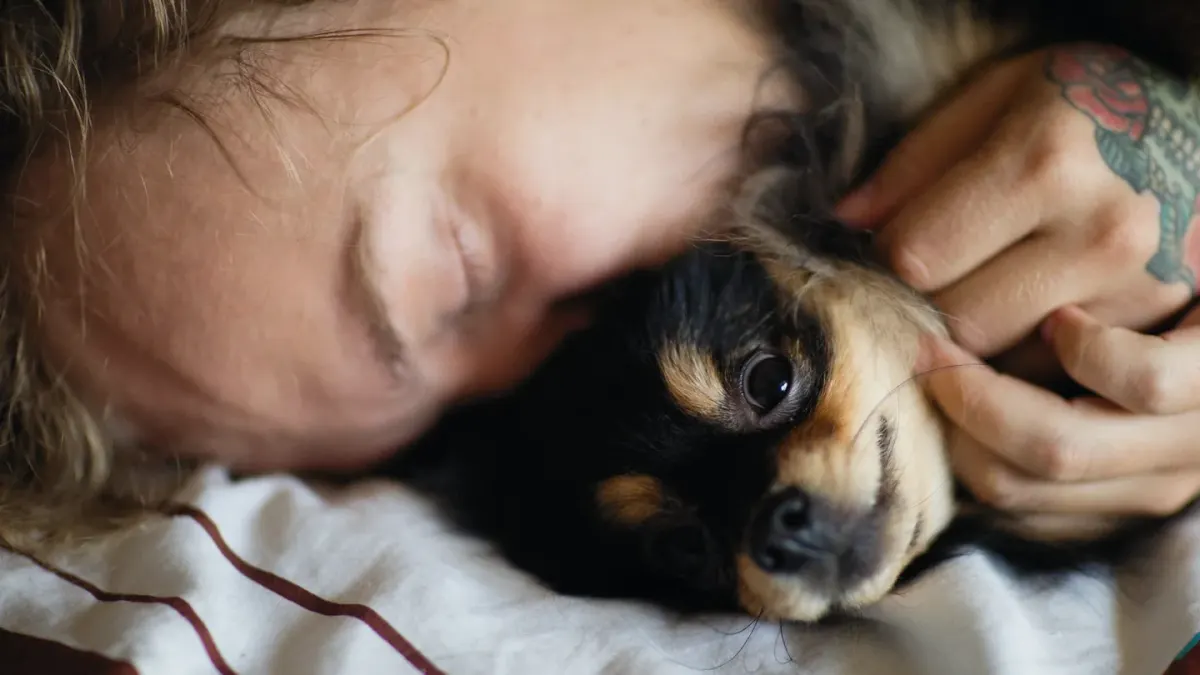
Dog skin is thinner and looser than ours, which is why a quick clip can catch a fold before you feel resistance.
That is the surprising limitation I return to in day-to-day practice: you cannot fully eliminate risk by buying a sharper tool or a steadier hand. You can lower risk a lot by understanding how skin, coat, and heat interact, then working in a set order that supports calm skin and a calm dog. The preventive evidence is thin on which home technique prevents every nick, and I want to be honest about that, but the anatomy and heat principles are consistent.
A few weeks ago I talked through this with an owner of a 4-year-old, 52-pound Labradoodle who wanted to clean up the belly and back legs between appointments. The coat had tightened into soft mats behind the elbows by week six after her last salon visit, and the skin underneath looked pink when lifted. She was weighing whether to slide a short blade under the mat edge herself or to wait three more days for an opening. We chose to leave the tightest mats alone, trim only the flat, visible belly hair with a guarded comb, and let the groomer handle the tucked skin near the armpit. That choice protected the exact spots where nicks happen most.
Why does dog skin nick so easily, even with a careful hand?
Canine skin has a thin epidermis with little attachment to the underlying tissue in places, which lets it tent upward into combs and blades. The Merck Veterinary Manual describes this layered structure and its hair follicles, and that looseness explains why armpits, groin, ears, tail base, and skin tags lift so readily. Dull blades, pulling on matted coat, and cutting against loose skin increase traction and shear.
Mats make this worse. A mat acts like a tight cap that pulls normal skin up into the tangle, so what looks like extra hair to cut is often skin held under tension. Scissors pointed toward the body and unguarded clipper blades sliding under a mat are the two most common ways owners cut skin at home.
Skin stays cooler when airflow is normal and hair moves freely.
Is going slower really enough to prevent cuts and burn?
The myth worth retiring is that slow equals safe. Going slow may help maintain control, but slow with a hot blade, a dirty blade, or stretched skin can still burn or nick.
Clipper burn is mostly friction and heat, not a true burn in most mild cases. Blades warm with use, especially when cutting dirty or matted coat, when coolant or lubricant builds up, or when the same spot is passed repeatedly to get it smooth. Dogs show it as a pink, warm stripe that appears hours later, often on the belly, groin, or face, with licking and scooting. Pressure adds to the problem because pressing flattens skin against a warm surface.
I met this tradeoff with a 7-year-old, 18-pound beagle mix whose owner tried to do everything in one evening session three weeks in. The first hour went well on the back and sides with a guarded comb. Then the blade began to drag on the hind legs, so the owner slowed down and repeated the same strip five times to even it out. By day 2 the inner thigh was red and the dog flinched when touched. The failed approach was not speed. It was staying too long on warm skin with a blade that needed cleaning, cooling, and a break.
If you want context on tool choice before you start, see Dog Clippers vs. Scissors: Which One Your Dog Actually Needs and At-Home Grooming vs a Professional Groomer: How to Actually Decide.

How can you trim without cutting or overheating skin?
My evidence-bounded recommendation is simple: flat skin, guarded tool, cool blade, short sessions. The strongest counterargument is that guarded combs leave hair longer and mats in place, so the groom looks unfinished. That is true, and I still land here because an unfinished trim that supports intact skin is better than a close trim that needs wound care.
Use this sequence on the same day.
Prepare the coat and tools. Brush, then run a steel comb through the area. If the comb will not pass, do not force a blade under it. Clean hair from the blade, check that screws and combs are secure, and have styptic powder, saline, and your vet clinic number nearby. Work where your dog can stand comfortably without twisting.
Keep skin flat and tool flat. Lay one hand gently beside the clipping area to smooth loose skin, especially in the groin, armpit, belly, and around the ears. Keep clipper blades and guarded combs parallel to the skin, moving with the direction of hair growth. Lift guarded combs away at the end of each stroke rather than scooping upward.
Cool the blade early and often. Touch the flat of the blade to the inside of your wrist every few minutes. If it feels warm to you, it is warm to your dog. Pause, turn clippers off, brush hair from the teeth, and let the blade cool. Do not press harder to make a dull blade cut.
Take breaks before your dog tells you to. Short sessions of 10 to 15 minutes, with treats and a reset, may help maintain stillness better than one long session. Panting, lip licking, freezing, or moving away means stop. For help deciding when to hand off the job, see Mobile Dog Grooming vs a Salon: How to Actually Decide and How Much Does Dog Grooming Cost? A Practical Price Guide for Owners.
The American Veterinary Medical Association notes that regular brushing and attention to mats, nails, and skin support a healthy coat, which is the same foundation that makes clipping safer.
Stop and call your veterinarian for bleeding that does not slow within 10 minutes, a deep cut, a swollen or oozing burn, or a dog that becomes painful, lethargic, or unwilling to walk.
The edge case owners miss involves senior dogs. A 11-year-old, 64-pound Shepherd mix I followed had thin hind-leg skin, new warts along the neck, and less muscle over the hips by day 10 after a diet change. The owner did everything right on technique, yet a small skin tag bled with a guarded comb because it blended into gray undercoat. For older dogs, clip in bright light, map warts and tags with a fingertip first, work around them with scissors held parallel, and keep close work to flat, well-muscled areas.
Looking forward, the safest home groom is a maintenance trim that keeps coat moving and skin visible until the next professional visit.
Frequently asked questions
Where do home grooming cuts happen most often?
In loose or folded skin around armpits, groin, belly, ears, tail base, and under mats, where skin can tent up into blades or scissors.
How do I know if the clipper blade is too hot?
Touch the flat of the blade to your inner wrist every few minutes. If it feels warm, pause, turn clippers off, clear hair from the teeth, and let it cool before resuming.
What should I do for a minor nick or pink clipper rash?
Stop grooming, rinse gently with saline, apply light pressure if bleeding, and monitor. Call your veterinarian for deep cuts, bleeding past 10 minutes, swelling, oozing, or pain.
Sources
- Structure of the Skin in Dogs — Merck Veterinary Manual
- Pet Grooming Tips for a Healthy Coat — American Veterinary Medical Association