On this page
The first thing I tell owners who ask whether they even need a groomer is that the question is usually framed wrong. It isn’t home versus professional — it’s which tasks belong in which column, and that split changes by coat type, age, and how the dog handles being handled.
I remember a lab-mix owner, a woman with a nine-year-old dog named Otis, who’d been doing full baths and haircuts herself for years to save money. What she’d missed, month after month, was his nails. By the time she brought him in for a limp, his front nails had grown long enough to push his toes out of their normal alignment, and his gait had quietly changed over maybe four to six months without her noticing day to day, because it happened so gradually. Home grooming wasn’t the problem — brushing, bathing, ear wipes, she had that covered well. It was the one task, nail length, that needed a trained eye and a schedule she wasn’t keeping. That’s the pattern I see most: owners are good at the parts they can watch happen, and miss the parts that creep.
What home grooming genuinely covers well
Brushing, routine bathing, ear wiping, and basic trims around the paws and face are all things a reasonably patient owner can learn to do safely at home, and doing them regularly is part of normal coat maintenance, not a luxury. The American Kennel Club notes that regular home grooming sessions double as a chance to check for lumps, ticks, or skin changes between vet visits — something you can only catch if you’re putting your hands on the dog often. Brushing spreads natural skin oils through the coat, helps prevent mats before they set up, and keeps shedding manageable in the house. None of that requires a groomer’s chair.
Bathing frequency depends heavily on coat and skin type, and this is where a lot of owners either over-bathe or let it slide too long. The ASPCA recommends using a dog-specific shampoo, since human products can strip the coat and irritate skin, and suggests protecting the eyes and ears during the bath itself — a sterile lubricant for the eyes, cotton balls loosely in the ears. These are small steps, but they’re the difference between a bath that supports healthy skin and one that leaves a dog itchy for days afterward.
Where a professional groomer earns the cost
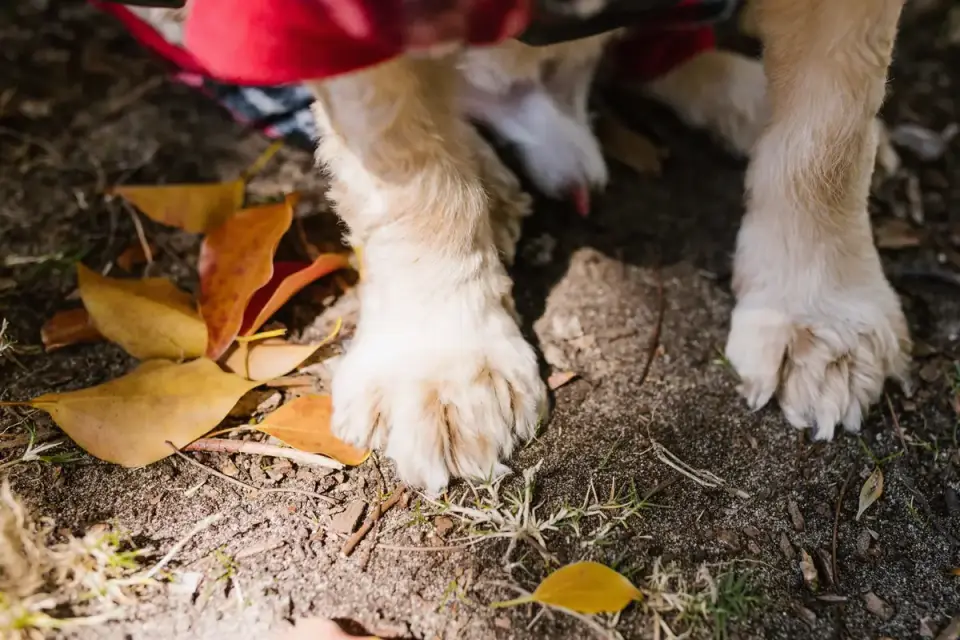
Nail trims are the task I’d hand to a professional most readily if an owner is nervous, because the anatomy leaves little room for error. Every dog’s nail has a quick — a bundle of nerves and blood vessels inside the nail itself — and cutting into it causes real bleeding and real pain. VCA Animal Hospitals points out that groomers handle this daily, with the tools and steady hands to keep it quick and low-stress, which matters most for dogs who are already anxious about having their feet touched. Anal gland expression, de-matting a badly tangled coat without cutting skin, and breed-specific haircuts also sit more comfortably on the professional side of the line — these take training that isn’t intuitive, and getting them wrong has real consequences, from impacted glands to skin nicks hidden under matted fur.
Thick double coats and heavily matted coats are their own category. Removing a mat close to the skin with scissors at home is one of the more common ways owners accidentally cut their dog, because you often can’t see where the mat ends and skin begins until it’s too late. A groomer with clippers built for that job, and the experience to know when shaving is safer than cutting, changes the risk profile considerably.
A myth worth retiring: that DIY grooming is the “budget” choice and professional grooming is the “safe” one
That split doesn’t hold up in practice. Skipping nail trims to save money can end in a vet visit for a gait problem, the way it did for Otis. On the other side, sending a dog to a groomer every few weeks without ever brushing at home between visits just means the mats have more time to set in, which usually makes each professional visit longer, more expensive, and more stressful for the dog. The honest version is that home care and professional care are solving different problems, and skimping on either one shows up somewhere else eventually.
Building a routine that actually works
Start by mapping your dog’s coat and temperament honestly, then build outward — the same instinct that works well for any new household routine, whether you’re just getting started with a new dog or adjusting an older one’s care plan.
- Brush at home two to three times a week for most coats, more often during heavy shedding seasons.
- Handle ear wipes and spot-cleaning at home as part of a normal week, not a special event.
- Book a professional groomer for nail trims if you’re not confident doing it yourself, especially for dogs who pull their paws away.
- Schedule a full professional groom — bath, haircut, gland check — on a cycle that matches your dog’s coat, generally every four to eight weeks for most breeds, longer for short-haired dogs.
- Treat the first few home sessions as training, not just maintenance — short, treat-heavy, and stopped before your dog gets frustrated, the same patience curve you’d use building any new habit with a young or newly adopted dog.
Where I land
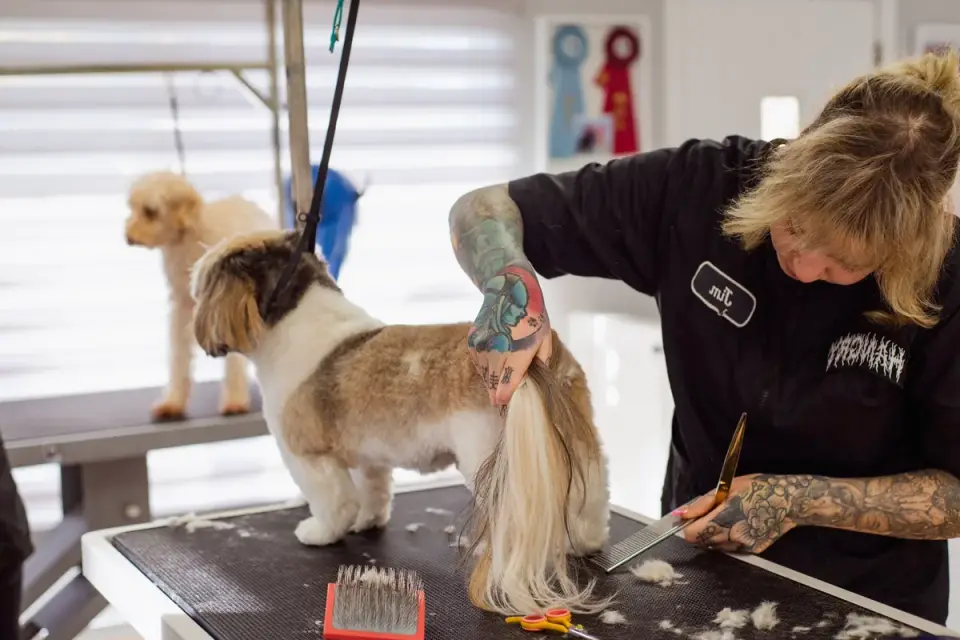
In my practice, I don’t tell owners to pick a side. I tell them to be honest about which tasks they’ll actually keep up with. The owners who do best long-term are the ones who treat brushing and ear checks as a normal Tuesday-night habit — the way you’d build any routine into a household, whether that’s a consistent potty-training schedule for a new puppy or a steady handling routine for an adult rescue dog still learning to trust being touched — and who still keep a standing appointment with a groomer for the parts that need trained hands. I’ve watched dogs whose owners split it that way go years without a nail-related limp or a matted coat that needed shaving down to the skin. That’s not a guarantee, just a pattern I trust because I keep seeing it repeat. If you’re newer to dog ownership altogether, it’s worth starting with the basics before you build out a grooming routine on top of them — the fundamentals make everything after easier.
The honest caveat: I can tell you what the pattern looks like in the dogs I see, not what will happen with yours. If your dog has skin disease, chronic ear infections, or a coat condition that isn’t responding to routine care, that’s a conversation for your own veterinarian, not a grooming schedule.
Frequently asked questions
Can I do all my dog's grooming at home and skip the groomer entirely?
For some short-haired, low-maintenance dogs, yes — home brushing, bathing, and careful nail trims may be enough. For thick-coated, double-coated, or anxious dogs, a professional's tools and experience make certain tasks, like de-matting or nail trims, meaningfully safer.
How often should a dog see a professional groomer?
It depends on coat type, but most dogs do well on a four-to-eight-week cycle, with short-haired breeds needing it less often. Home brushing between visits matters just as much as the appointment itself.
Is it risky to cut a dog's nails myself?
It carries real risk if you're not confident locating the quick, since cutting into it causes bleeding and pain. If you're unsure, have a groomer or veterinarian show you once before doing it solo.
Sources
- How to Groom a Dog at Home — American Kennel Club
- Dog Grooming Tips — ASPCA
- Specialty Grooming for Dogs — VCA Animal Hospitals