On this page
Book the wrong groomer once and you’ll pay for it twice — once at the counter, once at the vet visit for the matted skin fold or the ear infection nobody caught. That’s the part price lists never tell you.
Here’s the number people actually want: a full-service groom for most dogs lands somewhere between $30 and $90, according to the American Kennel Club, with size and coat length doing most of the work on where you land in that range. Giant, double-coated, or heavily matted dogs push past that, sometimes well past it. I’ll walk through why, what you’re actually paying for, and where I’d spend more without hesitation.
The myth: grooming cost is about vanity
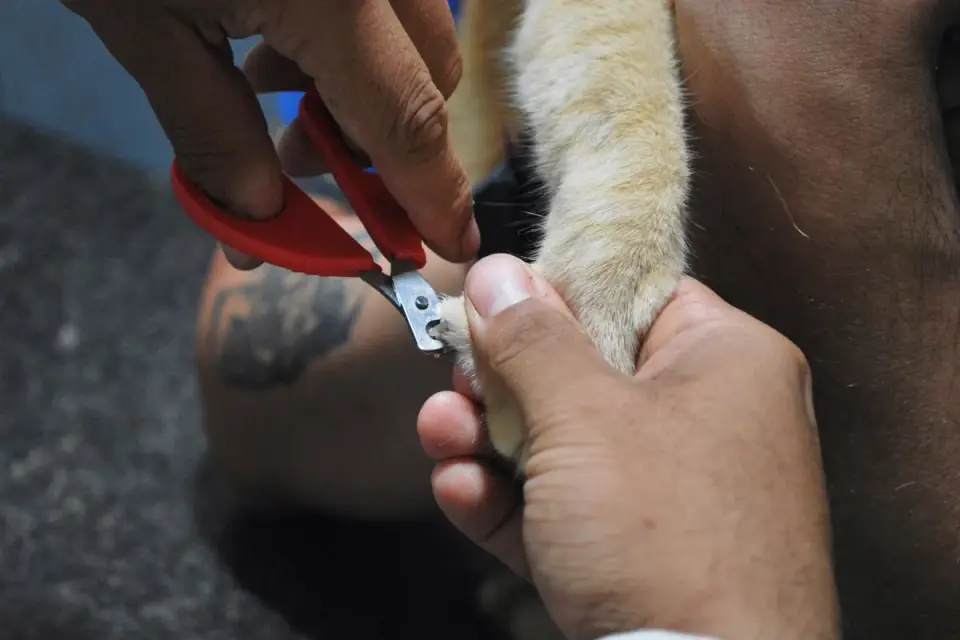
Owners often treat grooming like an optional spa day — nice if the budget allows, skippable if it doesn’t. I get the instinct. But structurally, grooming is closer to preventive care than pampering. Nail trims affect gait and joint loading. Ear cleaning supports normal ear canal health in breeds prone to buildup. Coat maintenance prevents mats that pull on skin and trap moisture against it. None of that is cosmetic; it’s maintenance on a body that can’t do these things for itself.
So the real question isn’t “can I skip this,” it’s “what am I actually buying at each price point.”
What actually drives the price
Size and coat, mostly. Small breeds with short coats are the cheapest to groom — often $25 to $60. Double-coated or long-haired breeds, and anything in the 50+ pound range, climb toward $90 to $180 because they take longer, use more product, and are harder on clippers and shears. A homeguide.com breakdown by breed and weight puts small-breed averages around $62 and giant-breed averages closer to $120, which tracks with what I’ve seen in practice.
Coat condition. A dog groomed every 6-8 weeks costs less per visit than a dog groomed twice a year, because mats take real time to work through — sometimes so much time the groomer has to shave the coat down instead, which nobody wants to hear at drop-off.
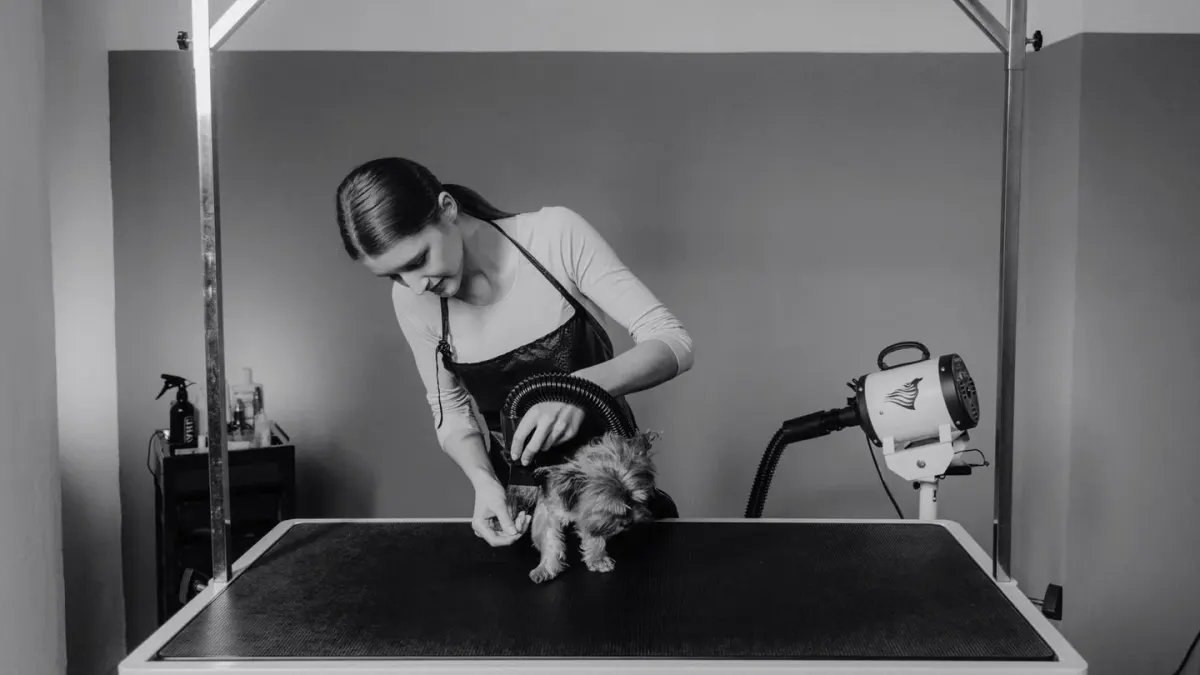
What’s included. A basic groom usually covers bath, brush-out, blow-dry, nail trim, and ear cleaning. Add-ons — de-shedding treatments, teeth brushing, anal gland expression, hand-stripping for wire coats — are priced separately and can add $10 to $40 apiece.
Where you live and who you book. Mobile groomers and high-cost-of-living metro areas run higher than a strip-mall salon in a smaller town. Neither is automatically “better” — but neither is automatically a scam, either.
A same-day way to budget for it
- Weigh and measure your dog’s coat honestly. A 60-pound Golden Retriever and a 60-pound Boxer are not the same grooming job. Coat length and density matter more than breed labels.
- Call three local groomers and ask for a base price plus add-on menu, not just “how much for a groom.” You want to see what’s bundled and what isn’t.
- Ask what “matted coat” pricing looks like before you need it. Many salons charge a de-matting fee by the 15-minute increment — know the number before your dog is overdue.
- Set a maintenance interval you’ll actually keep, usually every 4-8 weeks depending on coat type, and budget for it monthly rather than treating each visit as a surprise expense.
- Between visits, brush at home to stretch the interval and keep the in-salon time (and cost) down.
In my practice, the dogs who come in with the fewest grooming-related skin issues are almost never the ones at the priciest salon — they’re the ones on a consistent schedule. I saw this clearly with a nine-year-old Cocker Spaniel named Biscuit, about 28 pounds, whose owner had been stretching grooming visits to every four months to save money. By month three the coat around his ears had matted down close to the skin, and when we shaved that section for his annual exam we found early hot spots underneath that the owner hadn’t noticed because the fur was hiding them. Nothing dramatic, no dramatic bill — but it was a preventable visit. We moved him to an eight-week grooming schedule with brushing in between, and at his next two exams the ear-fold skin looked normal and the hot spots didn’t recur. One dog, one timeline, but it’s the pattern I see most: cost-cutting on frequency, not on the groomer’s skill, is where problems start.
Where I’d spend more, and where I wouldn’t
I wouldn’t pay extra for fragrance upgrades or seasonal bows — nice touches, no functional value. I would pay extra for a groomer who checks ears and skin folds carefully and tells you what they found, because that’s information you’d otherwise only get at a vet visit. I’d also pay extra to avoid a four-month gap between grooms on a dog with a dense or curly coat; the de-matting fee alone usually costs more than the extra sessions would have.
Puppies deserve a mention here too. If you’re just getting your dog’s routine established, grooming fits into the same category as house training and feeding schedules — it’s a habit you build early. If you’re starting from scratch, our guide on getting started with everyday basics and our week-by-week potty training approach cover the same “build the routine now, save yourself grief later” logic.
Being honest about the evidence
I want to be straightforward about something: most of what I’ve just told you about grooming frequency and skin health is grounded in clinical pattern-recognition and normal dog physiology, not a large controlled trial measuring cost against outcomes. Nobody has run a study proving that dogs groomed every six weeks have fewer skin infections than dogs groomed every four months. It’s a reasonable inference from what mats and neglected ears do mechanically to skin, and from what I and colleagues see in exam rooms, but it isn’t a citation-backed statistic, and I’d rather say that plainly than dress it up as one.
What is better documented is the price range itself. Cost guides drawing on groomer surveys, like the one from homeguide.com, consistently land in the same bands: roughly $25-$100 for small dogs, up to $180 for giant or heavily coated breeds. If your quote is wildly outside that range in either direction, ask why before you book.
A short scene worth remembering
A few years ago, an owner brought in a Bernese Mountain Dog puppy, maybe seven months old, who’d never been to a groomer at all — the owner had been doing baths at home and just trimming around the eyes herself. Understandable; a first groom for a large, thick-coated breed can run $80 or more, and money was tight that year. By the time the coat was long enough to start matting behind the elbows and under the collar, the dog was uncomfortable enough to avoid being touched there, which is its own problem for a dog that size. We talked through a realistic plan: a professional groom to reset the coat, then an eight-week schedule going forward, with home brushing on the weeks between. It wasn’t about spending more overall — it was about spacing the spending so no single visit became a rescue mission. That’s usually the fix, more than any specific product or technique.
The bottom line
Grooming cost isn’t really about the sticker price at one visit — it’s about the total cost of a schedule you’ll actually keep. A $60 groom every six weeks is often cheaper, and gentler on your dog, than a $150 de-matting emergency twice a year. If you’re weighing where a first grooming appointment fits into a new dog’s routine, it pairs naturally with the same daily structure covered in our guide on a puppy potty-training schedule that works.
So what would I actually tell a new owner standing at the counter, price sheet in hand? Ask less about the total and more about the interval — because the interval is the number that actually protects your dog.
Frequently asked questions
How often should I schedule professional grooming?
Most dogs do well on a 4-8 week interval, depending on coat type; double-coated and curly-coated breeds usually need the shorter end of that range to avoid matting.
Is a cheaper groomer a red flag?
Not automatically, but ask what's included in the base price. A low quote that excludes ear cleaning, nail trims, or de-matting can end up costing more once add-ons are tallied.
Does grooming cost more for senior dogs?
Sometimes, if a dog needs extra handling time, breaks, or gentler restraint. Ask groomers about their experience with senior or arthritic dogs before booking.
Sources
- Dog Grooming — American Kennel Club
- 2026 Dog Grooming Prices List — HomeGuide