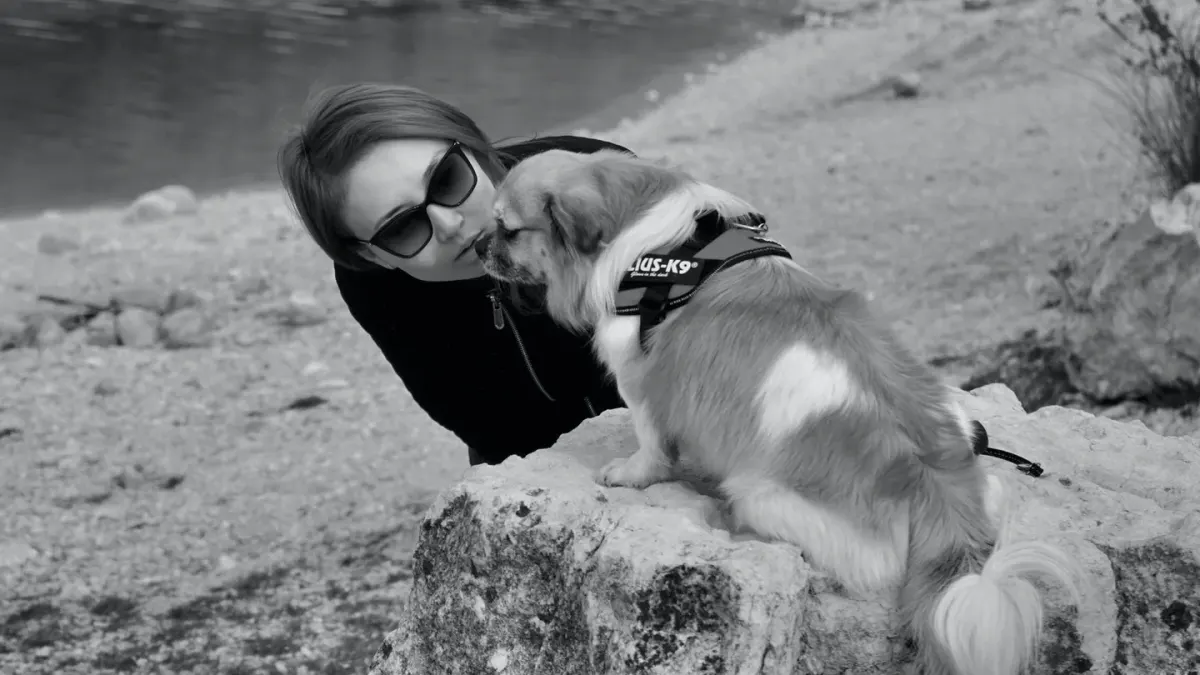
A 7-month-old Great Dane leaning his full weight into the leash does not feel like a training problem at first. It feels like physics. He was sweet at home, bouncy at the clinic door, and suddenly 98 pounds of forward momentum when he spotted another dog across the parking lot. His owner was doing everything she had read for a medium-sized puppy — longer walks to tire him out, repeating “heel” louder, waiting him out — and it was not working because the margin for error shrinks as size grows. With a very large breed, my expectation-first counsel is simple: train for safety behaviors early, not obedience titles.
That is the surprising limitation owners miss. Small lapses in timing, reinforcement, or management that are funny in a 15-pound terrier become falls, door-dash escapes, or jumping injuries in a 120-pound adolescent. Growth physiology explains part of it. Giant breeds grow rapidly and mature slowly, with open growth plates and heavy load on developing joints for many months, so we cannot exercise or correct our way out of pulling and jumping. We have to build calm, repeatable patterns that may help support joint protection, handler safety, and cooperative care.
The myth: giant breeds need a firmer hand
The myth says very large dogs need firmer corrections, deeper voices, and more dominance to “respect” size. In normal dog behavior, what they actually need is clearer antecedents and higher rates of reinforcement for the right choice.
Learning works the same across sizes: behaviors that are reinforced get stronger. Aversive tools may suppress pulling for a moment, but the American Veterinary Society of Animal Behavior concludes that fear- and pain-based methods carry greater risks for fear, anxiety, and aggression, with no training advantage over reward-based methods. For a dog that will outweigh many adults, that tradeoff matters more, not less.
The American Kennel Club makes the same practical point for big-dog handling: teach loose-leash walking, solid stays, and polite greetings before you need them in public, using short sessions and management to prevent rehearsal of jumping and dragging.
Short sessions prevent fatigue and frustration on both ends of the leash.

What I prioritize instead: control the environment first
I counsel owners to think in this order: management, then foundation skills, then duration and distraction. Management means front-clip harness, secure collar backup, baby gates, and planned greeting distance. Foundation means marker, recall foundation, hand target, settle on mat, and leave-it. Only then do we add time, distance, and crowds.
That sequence may help support steadier arousal because the dog practices calm behavior in an easy setting before the nervous system is flooded. The Merck Veterinary Manual describes this same progression — reward desired behavior promptly, keep early lessons brief, and increase difficulty gradually — which is especially important when one excited jump can knock over a child.
A baseline check before week one
Set your baseline the way I do in the exam room: body weight, gait, daily exercise tolerance, fear or noise sensitivity, and what food truly motivates. Many giant puppies are soft and shut down with raised voices, while others are mouthy and need chew outlets. Note barking, guarding around food or resting places, and comfort with paws, ears, and collar handling. If lameness, persistent stiffness after rest, or sudden behavior change appears, pause progression and ask your veterinarian first.
A second owner I counseled learned this the hard way with her 11-month-old, 130-pound Cane Corso. Three weeks in, she had been stopping every walk to yank him back into heel and making him sit for a full minute when he lunged. The sits looked obedient, but his breathing quickened, his leash biting increased, and greetings got worse because tension predicted scary restraint. We scrapped the marathon corrections and switched to 5-minute pattern games in the driveway — find-it in grass, hand touch to redirect, treat scatter for passing dogs at 30 feet — and by day 10 his leash slack on departure was visibly longer. The counterargument is that corrections felt faster. They were, for that walk, and they cost us the next three.
A practical 4-phase sequence you can start today
Phase 1: Marker, mat, and handling (days 1–10)
Charge a marker word like “yes” with 20–30 tiny treats across two days; see our guide on How to Use a Treat Pouch Effectively to keep delivery fast. Teach hand target for redirection, mat settle for doorways and vet visits, and low-stress handling for collar grabs, harness, and paws. Keep sessions to 3–5 minutes, 2–3 times daily.
Pair each handling touch with food so restraint predicts good things. This may help support calmer veterinary exams and grooming as weight climbs.
Phase 2: Leash and door skills (weeks 2–4)
Train loose leash as a position game, not a march. Reinforce two steps at your side, then four, then turns. Use a front-clip harness and a 6-foot leash; stop forward motion when the leash tightens and reward check-ins. Practice threshold manners: collar on, door opens only when four paws stay grounded.
If you are torn between formats for this stage, Group Classes vs. Private Training vs. Online Dog Training: How to Choose can help you match coaching to your handling confidence.
Phase 3: Greetings and settle in public (weeks 4–8)
Very large breeds do not need to greet every dog. Teach an incompatible behavior: sit or hand target at your side while strangers pass, then release to sniff. Practice polite human greetings with a friend who will turn boring if paws lift. Build mat duration from 30 seconds to 5 minutes while you eat dinner.
For independent, slow-to-respond giants, the troubleshooting in How to Train a “Stubborn” Independent Breed pairs well with this phase.
Phase 4: Proofing for real life (months 3–6)
Add one variable at a time: longer stay, busier sidewalk, or narrower trail. Keep a 70–80% success rule — if your dog fails twice in a row, increase distance or lower distraction. Maintain recall on a long line with high-value rewards; never call for nail trims or bath time only.
The edge case that changes the plan is the older giant who was never taught these foundations. A 6-year-old, 165-pound Mastiff I followed for low-stress handling could not hold a down-stay for more than 20 seconds because his elbows ached on hard floors. Standing stays, thick orthopedic mat work, shorter proofing reps, and ramp training for the car mattered more than any new cue. His owner worried he was being defiant when he broke position by day 14 of class; he was shifting weight off sore joints. For seniors and post-surgical giants, comfort is the antecedent.
What I reject, and why I still land here
The strongest counterargument I hear is fair: positive-only training takes too long when a 140-pound dog is already dragging you. My answer is that speed without safety is not speed. Management plus high-rate reinforcement builds the loose leash, solid wait, and recall that keep a giant dog housed, walked, and welcome. Corrections may interrupt, but they do not teach where to walk, how to greet, or how to settle.
Start with safety behaviors this week, track the small wins, and let duration follow reliability. Your future self — holding a calm leash with one hand while opening the vet door with the other — will thank you.
Frequently asked questions
How much daily training does a very large breed need?
Aim for two to three sessions of 3-5 minutes for puppies and 5-10 minutes for adolescents, plus management and enrichment walks. Brief, successful reps may help support focus better than one long drilling session.
When should I start leash training a giant puppy?
Start the first week home with harness comfort, hand targeting, and rewarding position at your side indoors. Add short outdoor leash games after your veterinarian clears outings based on vaccine status.
Are group classes safe for giant breeds?
Often yes, if the class uses reward-based methods, has space for large dogs, and allows distance for reactive or shy puppies. Private lessons first can help if your dog jumps, mouths, or overwhelms other dogs.
Sources
- How to Train a Big Dog — American Kennel Club
- Position Statements on Humane Training — American Veterinary Society of Animal Behavior