On this page
Learning how to use a training treat pouch well means loading rewards early and keeping them within instant reach.
Before the Dog Ever Sees a Treat
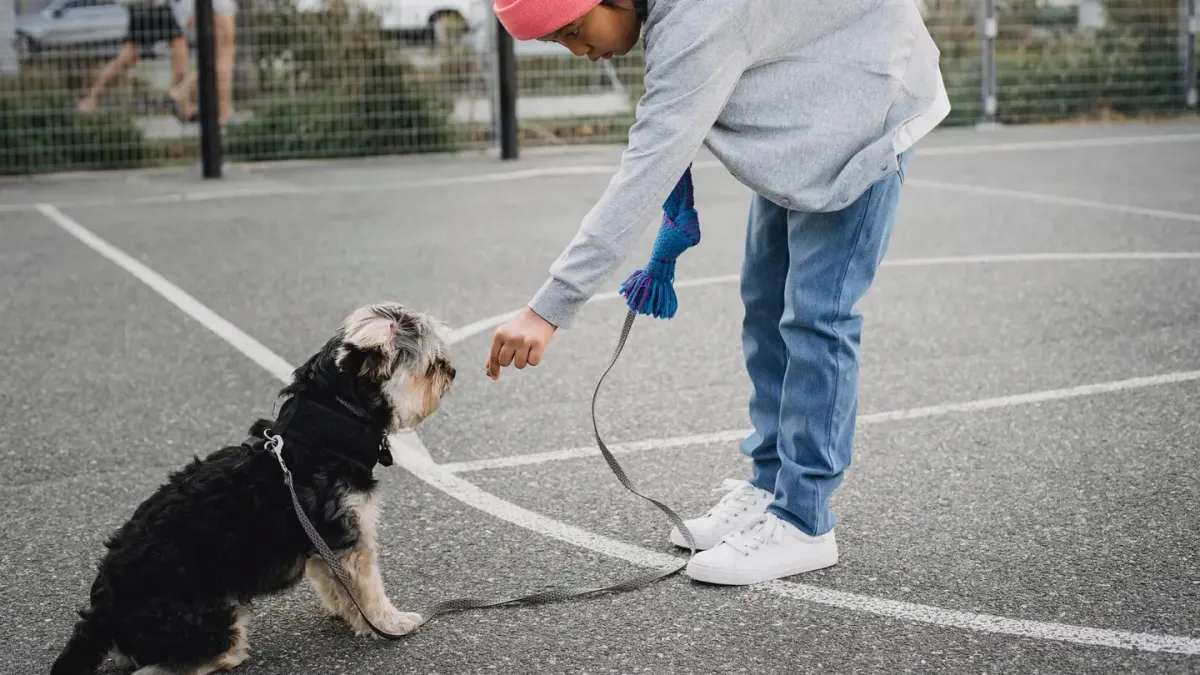
The pouch work happens before the session starts. Load it with 15 to 30 pea-sized, soft pieces, pick the marker word or clicker you will use, and clip the pouch somewhere your dominant hand can reach without glancing down. Front-center or hip placement both work; the deciding factor is whichever position lets you open the pouch, grab a piece, and present it in one continuous motion. A dog does not read intention. It reads timing, and every second spent fumbling with a zipper or a stiff flap is a second the behavior you wanted has already faded into whatever the dog is doing next.
Treat choice matters here too. According to guidance from the AVSAB, reward-based methods produce the most reliable learning with the least behavioral fallout, which only holds up if the reward itself is easy for the dog to process. Soft, small pieces let a dog swallow in roughly a second and look back up for the next repetition, rather than chewing, chasing crumbs across the floor, or losing focus on you.
The First Few Seconds: Marking and Delivery
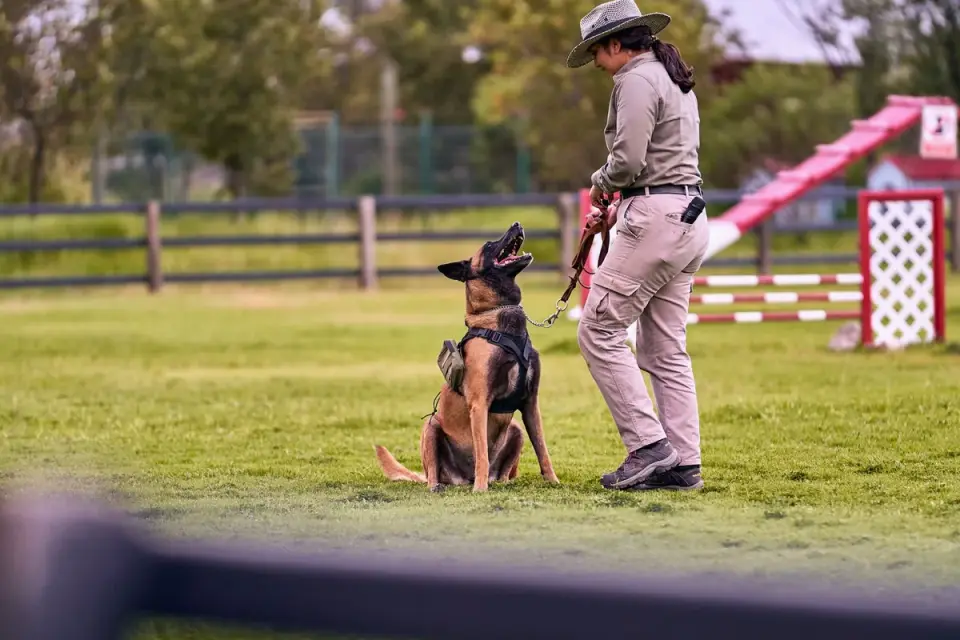
Once the session starts, the pouch’s entire job is to make the treat available within about one to two seconds of the marker sound. That window is not arbitrary. Dogs, like most animals, form the strongest association between an action and a consequence when the consequence follows almost immediately; stretch the gap and the reward starts attaching itself to whatever the dog happens to be doing when the treat finally arrives, which is often standing up, sniffing the ground, or turning away.
This is short enough to say plainly: fumbling costs behaviors.
A marker, whether it is a clicker or a consistent word like yes, exists to bridge that gap. It tells the dog the instant the behavior earned something, and the pouch simply needs to deliver on that promise fast enough for the marker to keep its meaning. The VCA Animal Hospitals guidance on reinforcement notes that rewards should follow the desired behavior within seconds, or the dog may fail to connect the two at all. Practicing the open-grab-present motion with an empty pouch, away from the dog, is a quick way to shave real time off that delivery.
Building the Habit Across a Session
As repetitions add up, the goal shifts from single correct deliveries to a steady rhythm the dog can predict. Keep treat size and value roughly consistent within a session so the dog is not guessing whether this repetition was worth more effort than the last one. Restock the pouch between sessions rather than mid-session, since digging for a refill while the dog is still engaged reintroduces the same fumbling problem from the start.
Pair every food reward with a short, consistent verbal cue, something like yes or good, spoken in the same upbeat tone each time. The Humane World for Animals resource on positive reinforcement recommends this pairing specifically because it lets praise alone eventually carry some of the reinforcement value, which matters once treats get thinned out later in training.
After the Session: Resetting the Pouch for Next Time
When the session ends, empty out any treats that got warm, sticky, or crumbled, since a pouch that is half full of debris is exactly the kind that causes a slow, fumbling grab next time. Wipe the lining if it is washable, rotate in a fresh batch of pea-sized pieces, and store the pouch somewhere it is easy to grab on the way out the door. Consistency in this small routine matters more than any single training technique: a dog does not care how sophisticated the plan is if the pouch itself keeps slowing down the moment that ties behavior to reward.
A treat pouch used well is close to invisible in the moment. It should not require a glance, a second hand, or a pause to unstick a zipper. Set up the loading and access habits described here, and the mechanics of reward timing largely take care of themselves.
Frequently asked questions
Where should a treat pouch sit on the body?
Most trainers keep it at the hip or front-center, wherever the dominant hand can reach the opening without looking down. A pouch that swings behind the body during movement adds the same fumbling delay that undermines timing.
How many treats should go in the pouch at once?
Enough for one full session, generally 15 to 30 pea-sized pieces, so the pouch does not need refilling mid-session. Refilling breaks the rhythm and stretches out the gap between behavior and reward.
Can a treat pouch be used with clicker training?
Yes, and the two are typically taught together. The click marks the exact instant the behavior occurred; the pouch's job is simply to make the follow-up treat available within a second or two so the marker keeps its meaning.
Do treats need to be soft?
Soft, small pieces are easier for a dog to swallow quickly, so they can look back up for the next repetition. Crumbly or hard treats that scatter on the floor or require chewing slow the session down and can shift a dog's focus to the ground.
Sources
- AVSAB Position Statement on Humane Dog Training — AVSAB
- Using Reinforcement and Rewards to Train Your Pet — VCA Animal Hospitals
- How to Reward Dogs with Positive Reinforcement Training — Humane World for Animals