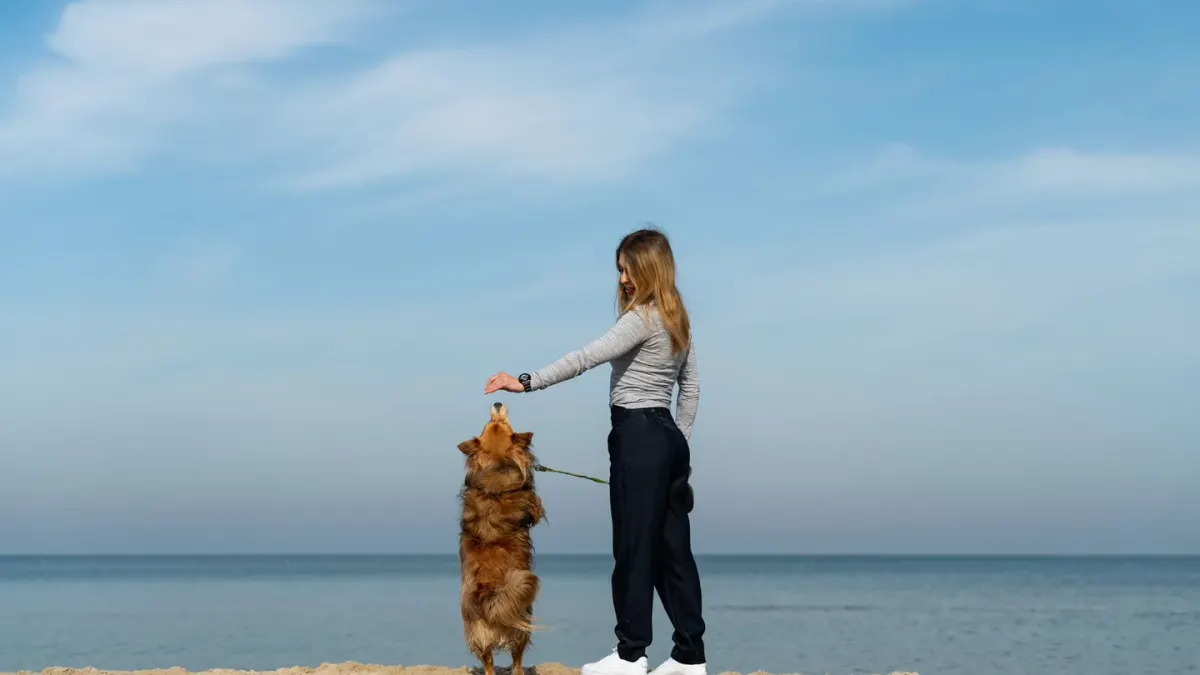
Predictable timing teaches faster than any gadget. For dog potty training, success rests on taking your dog out at the same transition moments, watching closely between trips, and rewarding within seconds of finishing outside.
Start here — the checklist that prevents most accidents:
- Take out after waking, after eating or drinking, after play, and every 1–2 hours for young puppies
- Go to the same door and same spot, on leash, and wait calmly for 3–5 minutes
- Reward within 2–3 seconds of the last squat with 2–3 small treats plus quiet praise
- Supervise in the same room or use a crate or pen when you cannot watch
- Clean indoor spots with enzymatic cleaner and log accidents to find the missed trigger
- Call your veterinarian if accidents restart suddenly, straining or blood appears, or an adult dog cannot hold it
Expect a baseline of several weeks of consistency for puppies, with setbacks around schedule changes, weather, or new homes. Vets often see frustration peak at week two, when owners assume the dog “knows it” because of a few good days.
The limit no product can fix
No pad, spray, bell, or grass patch teaches bladder control. Control develops with age, routine, and learning where payoff happens.
That is why gear plays only a supporting role. A crate may help support bladder habits by encouraging a puppy to hold it for a short rest period, and a pen may help support safe supervision when you cook or work. Neither replaces trips outside.
The American Veterinary Society of Animal Behavior emphasizes rewards-based methods for behavior learning, and house training fits that pattern well: rewarded outdoor trips get repeated, unrewarded or unnoticed indoor trips do not fade as quickly.
Joe learned this with Kipper, his 2-year-old neutered male Bernedoodle in North Las Vegas. Kipper rang bells but still wet the rug twice a week. The log showed both accidents happened within 20 minutes after evening play. Joe added a direct outdoor trip after play and rewarded outside with three pea-sized treats, and Kipper went 14 days without an indoor accident.
Myth versus reality in dog potty training
Myth: Rubbing the nose in it teaches a lesson. Reality: Delayed correction raises fear without linking to the spot. Dogs link consequences to what happened in the last few seconds. Interrupt calmly only if you catch the start, then carry or walk outside and reward finishing there.
Myth: A puppy should “hold it all night” by 8 weeks. Reality: Young puppies have limited capacity and need a late-night and early-morning trip. Stretch intervals gradually as daytime success builds.
Myth: Pads teach the final habit. Reality: Pads may help support apartment, high-rise, or late-vaccine routines, but they teach a separate surface habit you will later need to transfer. If you use them, keep one pad in one fixed spot and still build outdoor trips. For help deciding, compare Puppy Pads vs. Going Straight Outside: What Actually Works.
The Merck Veterinary Manual notes that consistent scheduling, supervision, and reinforcement are the core of house training, with medical causes worth ruling out when trained dogs regress.
A practical sequence you can use today
Build the day around triggers, then let the clock fill the gaps.
Take out on waking, within 15–20 minutes after meals, after drinks and naps, after play, and before confinement or bedtime. Puppies often need a daytime trip every 1–2 hours between those triggers. For a written hour-by-hour example, see A Puppy Potty-Training Schedule That Works.
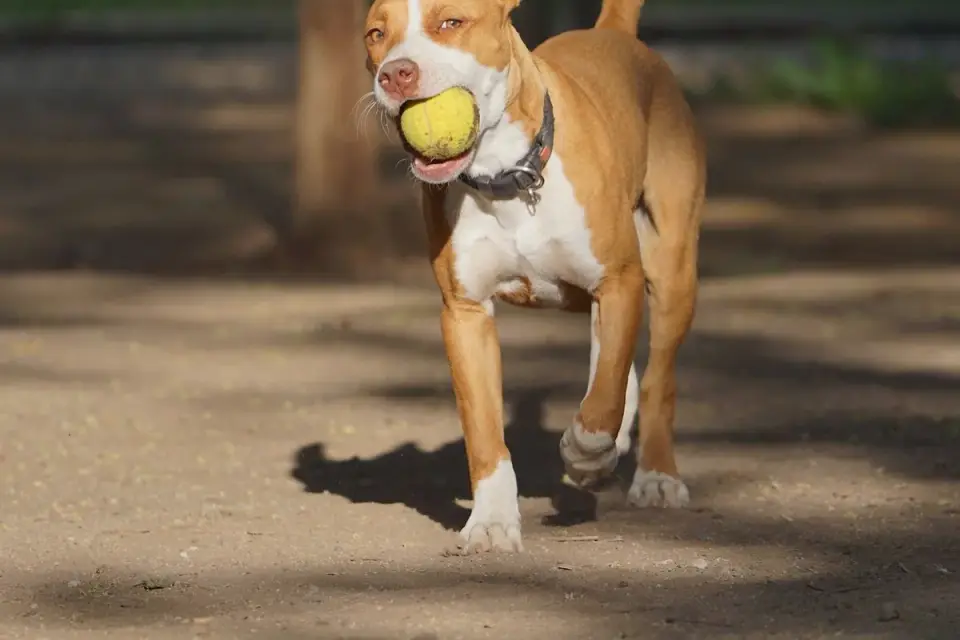
Keep trips boring and brief. Leash up, walk to the same 6-foot area, stand still, and give 3–5 minutes. If nothing happens, return inside under close watch for 15 minutes and try again rather than giving free roam.
Pay fast.
Keep treats in a pocket or treat pouch so the reward lands beside the outdoor spot, not back at the door. Pair 2–3 small treats with calm praise, then walk a minute more before going inside so outside does not end the fun.
Prevent quietly. Tether the leash to your chair, use baby gates, or rest the puppy in a right-sized crate for naps and short errands. When you cannot watch, confinement protects the habit.
Respond to accidents without drama. Blot, apply enzymatic cleaner, and ask what trigger was missed. Was water followed by play with no trip? Was the last outing only 40 minutes before? Adjust the plan once.
Adult rescues need the same sequence with longer hold times and extra patience for unfamiliar sounds and surfaces. If you adopted recently, read Why Housetraining an Adult Rescue Dog Isn’t Just Puppy Training All Over Again.
When should you call for help? Frequent squatting with little urine, crying, cloudy or bloody urine, strong thirst, or sudden regression in a previously reliable dog deserves a veterinary check for urinary infection, stones, or other medical issues. Training help is useful when fear, separation distress, or marking persists despite two consistent weeks.
What would change if you rewarded three seconds sooner?
Sources
- AVSAB Position Statement on Humane Dog Training — American Veterinary Society of Animal Behavior
- Behavioral Problems of Dogs — Merck Veterinary Manual