On this page
A reliable drop during play looks like obedience, but it is really an exchange your dog trusts. Holding a toy is self-reinforcing — chewing, shaking, and running away all feel good — so your cue has to predict something even better, not the end of fun. My expectation first in the exam room is simple: plan on short, trade-based repetitions over one to two weeks before you expect a clean drop at full excitement.
I saw this tradeoff clearly with a composite case I think about often, a two-year-old 48-pound mixed-breed dog who loved fetch but turned every retrieve into keep-away. At the park she would sprint back to within ten feet, then veer off with the ball while her owner chased and laughed, which only taught her that holding paid. By day 10 of a new routine — two five-minute sessions daily with two identical balls and no chasing — she started dropping the first ball as soon as the owner’s arm moved to throw the second. The number that mattered was distance: her return tightened from ten feet to about three feet once dropping paid better than dodging.
Why won’t your dog just let go when you ask?
Possession is normal dog behavior. Dogs evolved to hold valued objects, and behavior supported by the American Veterinary Society of Animal Behavior favors teaching what to do instead of punishing holding or prying jaws open. Force creates conflict around the mouth and may help support guarding over time, while trading builds a predictable pattern: your cue means a treat or a better throw is coming.
This is also why prying, cornering, or yelling “no” backfires. From the dog’s view, pressure near the toy makes holding more urgent. A low-stress handling approach is to go still, lower your energy, and let the toy go “dead” for a moment, then mark and reward the smallest loosening of grip. You are training the release muscles and the decision, not winning a wrestling match.
Does trading teach begging or bribery?
This is the myth I hear most: if I offer food for the toy, my dog will only drop when she sees treats. Trading only becomes bribery if the food stays visible forever. The reality, described well in the American Kennel Club guide to teaching “drop it,” is that you start with a visible trade to build understanding, then hide rewards and vary pay — food, another throw, restarting tug — so the cue itself becomes the promise.
My position is direct: always teach drop as a start of play, not a stop. The strongest counterargument is that some trainers prefer to teach drop with a toy-only exchange and no food, to keep toy drive high. That can work for practiced sport dogs, but for most family dogs I still land on food first because it lowers arousal and gives you precise timing. Once the behavior is fluent, toy rewards maintain it just fine.
A second failure pattern shows why timing matters. Another composite scenario involved a four-year-old 62-pound retriever whose owner tried to teach drop by holding a treat over his nose during tug and repeating “drop it, drop it” while pulling upward on the rope. Three weeks in, the dog gripped harder and started shaking the toy with more intensity, and the owner worried the cue was broken. The fix was not a stronger cue but a cleaner setup: one quiet cue, freeze the tug toy against the leg so it stopped moving, then mark the instant the jaws parted and toss a treat a few feet away so the dog had to leave the toy to earn it. Dropping improved within four sessions once the human stopped fueling the tug.
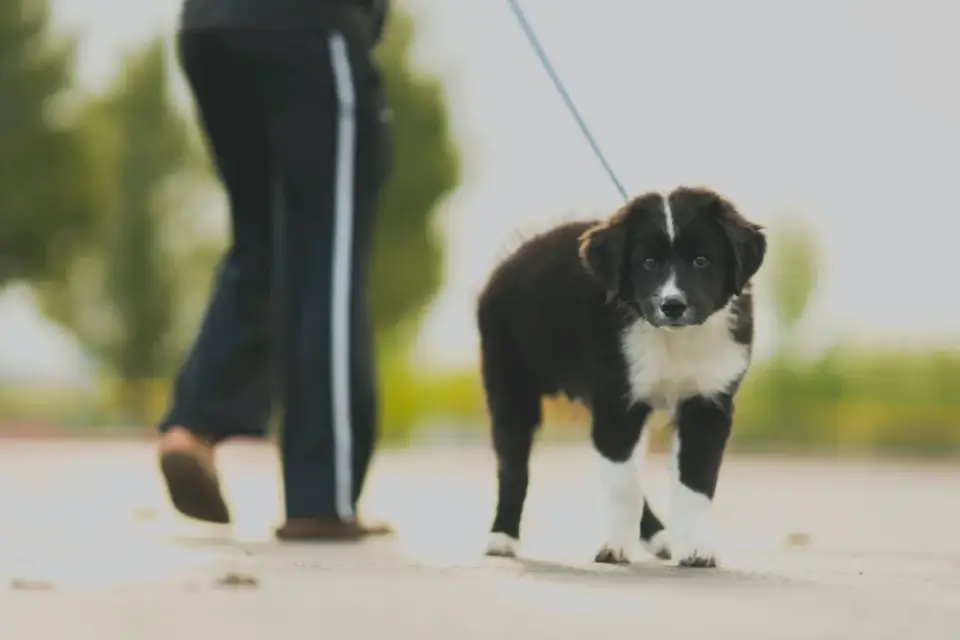
How do you build the cue without killing the game?
Use this same-day sequence. Keep sessions to three to five minutes and stop while your dog still wants more.
1. Charge the trade away from play. With a low-value toy on the floor, say “drop it” once in a calm voice when your dog already has it loosely, then place a small treat by her nose. Mark with “yes” the second she releases, then give the toy right back. Repeat five to eight times. Giving it back is what builds trust.
2. Make the toy go dead. During gentle tug, freeze the toy against your side. No pulling. Wait. Most dogs loosen within five to fifteen seconds. Mark and toss a treat two to three feet away, then invite play again with “take it.” The lesson is that letting go restarts fun.
3. Add the double-toy swap for fetch. This classic from many retrieve programs pairs well with basic cues like those in How to Teach a Dog to Sit: The Method That Actually Sticks. Hold two identical balls or bumpers. Throw one, and as your dog returns, show the second with an excited arm motion and cue “drop it” once. Throw the second the instant the first falls. No treats needed here once the pattern clicks.
Keep it preventive.
4. Name only clean drops. If she does not drop within about ten seconds, do not repeat the cue. Turn boring, pocket the second toy, and try an easier throw next time. Short grass, shorter distance, and a less exciting toy may help support success early on.
5. Practice the boring handoff. Ask for a drop, mark, treat, then pause two seconds before restarting. That pause teaches impulse control without frustration and carries over to other stationary skills such as Teaching the “Place” or Go-to-Mat Cue.
The edge case that changes the plan is the dog who freezes, stiffens, swallows faster, or moves away when you reach for a toy. I think of a composite six-year-old 18-pound terrier mix who would drop low-value balls easily by day 5, yet guarded a squeaky plush by hovering over it with a hard stare. For that dog, reaching, trading up close, and playing tug with that one toy were paused entirely. We trained drop only with boring rollers at a distance, tossed treats away from the toy rather than feeding near the mouth, and kept fetch to wide-open spaces with no cornering. Her drop stayed reliable because we stopped testing it on the object that worried her and talked with the veterinarian about a behavior plan first.
What if your dog only drops for food?
Fade food gradually. Reward three drops in a row with food, then reward the fourth with an immediate throw. Then do two throws to one food reward. Keep surprise jackpots — three treats for a fast drop during exciting play — so effort stays high. If progress stalls, lower the distraction before you raise the demand, just as you would when layering movement into How to Teach a Dog to Spin (Without Losing the Behavior You Already Built).
Watch the baseline too. Pain in the neck, teeth, or shoulders, fatigue in seniors, and over-arousal in adolescents all change grip and release. A dog who suddenly will not open her mouth, drools, drops food, or yelps with toys deserves a veterinary exam before more training. This guide supports normal behavior; it does not replace diagnosis.
A forward-looking habit is to keep score for two weeks: how many first-cue drops out of ten throws. When you reach eight out of ten at low excitement, add distance or a bouncier toy. Reliable comes from that slow ladder, not from a louder voice.
Frequently asked questions
How many times should I say “drop it”?
Say it once, then wait up to 10 seconds. Repeating the cue teaches your dog to wait for the third or fourth ask. If there is no drop, make the next rep easier with less distance or a calmer toy.
Should I pull the toy out of my dog’s mouth?
Avoid prying or yanking, which can increase guarding and mouth conflict. Freeze the toy, wait for a loosening, then mark and reward the release and restart play.
Can I use only toys and no treats to teach drop?
Yes once the behavior is understood, especially with a double-toy swap. Start with food for most pet dogs because it lowers arousal and sharpens timing, then shift mainly to throws and tug restarts.
Sources
- Position Statements — American Veterinary Society of Animal Behavior