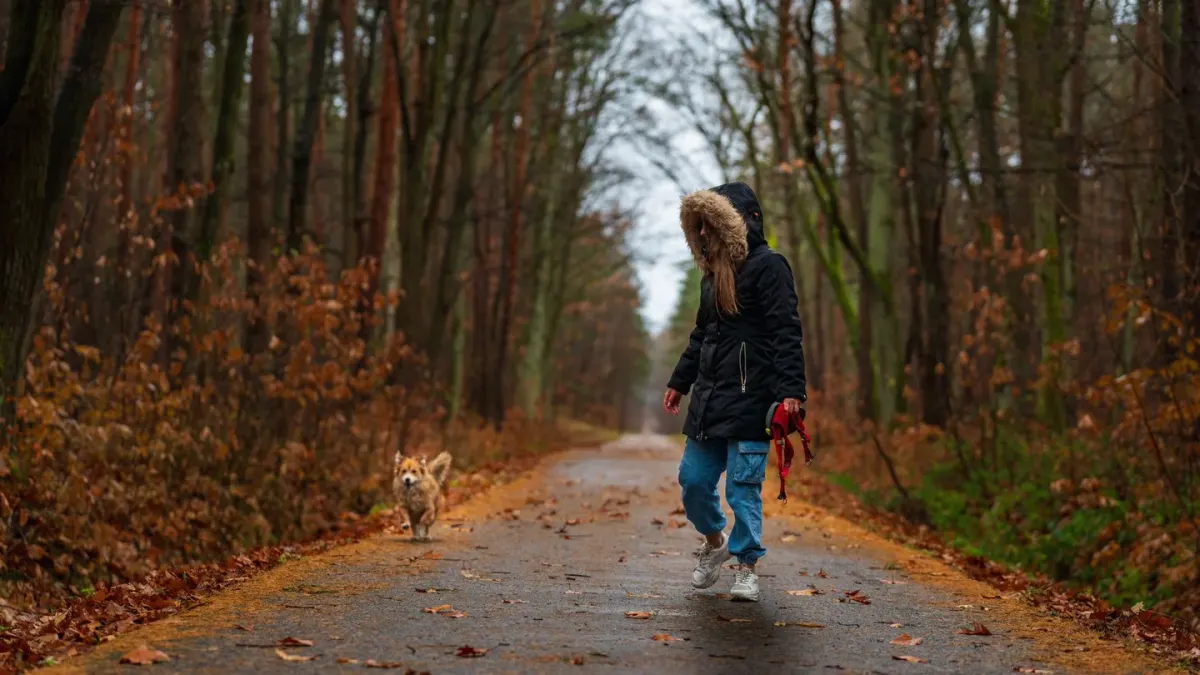
Milo was a 3-year-old, 68-pound Labrador who turned into a wiggly statue-toppler the second the brush came out. His owner, working on the bathroom rug with treats sliding off the counter, wanted one thing: paws on the floor, body quiet, for just two minutes while she checked his ears and brushed his chest. By day 10 of short practice, the change she noticed was not perfect stillness but a pause — four calm seconds with his head forward before he shifted, which gave her a place to reward. That pause is where a grooming stand actually starts, and it is smaller than most people expect.
The surprising limitation is not your dog’s willingness. It is duration.
Owners often ask for a ten-minute stand on the first try. A dog’s body does not work that way, especially on a slick table or in a new smell-filled room. Muscles tire, feet slip, brushing tickles or pulls, and worry builds. When we push past that baseline, the behavior falls apart and we call it stubbornness. I counsel clients to expect the opposite: teach the position for seconds first, then add touch, then add tools. Stillness for grooming may help support low-stress handling and regular preventive checks at home, but only when the timeline respects normal dog behavior.
Stillness is a trained pause, not good manners
The myth says some dogs are just good for grooming and others are not. The reality is more hopeful. Dogs that look calm have usually learned two things: where to put their feet, and that they can signal when they need a break.
I do not teach a forced stay with a tight leash or a second person holding the collar still. That approach can suppress movement without changing how the dog feels, which tends to leak out later as mouthing, sitting, or bolting off the table. My recommendation is a cooperative stand: four paws on a mat, head relatively neutral, with food delivered low and calmly for holding position. The strongest counterargument is that this takes longer than just holding the dog in place. It does, for about a week. Then handling gets faster because you are not restarting after every scramble.
This aligns with current humane training guidance from the American Veterinary Society of Animal Behavior, which supports reward-based methods for cooperative behaviors, and with basic handling advice from the American Veterinary Medical Association on using short, positive training sessions.
A practical sequence you can use today
Keep sessions to two to three minutes. Work on a non-slip surface with treats cut pea-size. End while your dog is still succeeding.
1. Charge the mat. Place a bath mat or yoga-mat square on the floor. Mark and reward any step onto it, then only standing with all four feet on it. Most dogs offer this in one session.
2. Name and stretch the stand. When your dog steps on and pauses, say “stand” once, pause one second, then reward at nose height so the head stays up. Slowly stretch to three, five, then eight seconds before you add any touching. If feet move, just reset cheerfully without correction.
3. Add one hand of pressure. Stroke the shoulder for one second, reward in position. Then side, then hip, then lift one ear flap briefly. Keep one criterion at a time: either longer stillness or more handling, never both on the same rep.
I worked through this tradeoff with a 5-year-old, 42-pound spaniel mix who held a beautiful kitchen stand until the slick grooming table appeared. On the table she sat, spun, and mouthed the brush. Her owner had been luring longer with cookies while adding brushing at the same time, and three weeks in they were stuck. We went back to the bath mat on the floor, separated the skills, and rebuilt duration to 15 seconds with no tools before reintroducing one brush stroke on the shoulder. The lesson was plain: combining duration and sensation too early punishes progress.
4. Add the tool without the job. Touch the brush to the body, reward, remove. One stroke, reward. Three strokes, reward. Check nails by touching a paw, then a toe, then holding a toe for two seconds. Keep your handling hand slow and your treat hand still.
5. Teach a polite pause signal. Watch for the look-away, lip lick, or weight shift that says “I need a second.” Pause, let the dog reset, then ask again. Dogs that learn breaks are safe tend to stay longer.
If you have already taught How to Teach a Dog to Sit: The Method That Actually Sticks or How to Teach a Rock-Solid Stay, borrow the marker timing and release cue from that work. The mechanics transfer well.
When standing still means something else
Some dogs cannot hold a stand because standing hurts.
A 9-year-old, 74-pound shepherd mix I counseled could manage only about 20 seconds before his rear legs trembled and he sat. His owner worried he was being defiant about nail trims. On exam footing he shifted weight off his left hip and preferred lying on the right side at home, both small baseline clues. We shortened practice to floor-level handling, added a yoga mat for traction, split grooming across days, and booked a preventive veterinary check for mobility. By week four he would stand quietly for a 90-second brush because we had stopped asking for five minutes on tile.
Keep it preventive: older dogs, very young puppies, and dogs with itchy skin, ear pain, or recent surgery need shorter goals and a veterinary baseline before you push duration. Pain, fear, and fatigue all look like fidgeting.
For dogs that get mouthy or wiggly from excitement rather than worry, a brief settle first can help. The settle mechanics in How to Teach a Dog to Roll Over (Without the Wrestling Match) are a useful reminder that calm bodies are shaped in small slices, not wrestled into place.
Aim for a two-minute relaxed stand on a mat within two to four weeks of daily micro-sessions. That timeline is realistic for most adult house dogs.
Frequently asked questions
How long should a grooming stand last at first?
Aim for 3 to 8 seconds of quiet standing with all four feet planted, then build toward 60 to 120 seconds over two to four weeks.
Should someone hold my dog still while I brush?
Avoid tight restraint for training. Teach the dog to hold the mat position for food, add handling in small steps, and give brief breaks when you see lip licking or shifting.
What if my dog sits or walks off every time?
Shorten duration, remove the tool for a few reps, reward in position, and practice on a non-slip mat on the floor before returning to the table.
Sources
- Training Your Dog — American Veterinary Medical Association
- Position Statements — American Veterinary Society of Animal Behavior