On this page
A lot of owners assume a short coat is a grooming shortcut. It isn’t. Short hair just moves the work somewhere less obvious — off the comb-out table and onto your vacuum, your couch, and your dog’s skin.
Do this first: touch the coat, not just look at it. Run your hand backward against the grain once a week. If a cloud of loose hair comes up, or the skin underneath feels flaky, greasy, or bumpy, that’s your grooming signal — regardless of how tidy the coat looks from across the room.
In my practice I’ve watched this exact myth play out with a five-year-old Boxer named Duke, fifty-eight pounds, whose owner brought him in for a “sudden” hot spot on his left hip in late July. Nothing sudden about it. Duke’s short coat had masked three weeks of matted undercoat debris trapped against damp skin after backyard swims, because the owner had never brushed him — “he’s short-haired, he doesn’t need it,” she told me. Once we clipped the area and got air to the skin, it resolved in about ten days with basic wound care. The coat looked fine the whole time. That’s the trap: a smooth coat can hide a developing skin problem for weeks before it shows on the surface.
Why “low maintenance” is the wrong label
Short-haired breeds — Boxers, Labradors, Beagles, Pugs, Dalmatians, French Bulldogs — genuinely need less coat maintenance than a Collie or a Shih Tzu. No mats to fight, no daily brush-outs to prevent tangles. But VCA Animal Hospitals notes that all dogs benefit from regular brushing to remove loose hairs and dead skin cells, keep the coat free of dirt and debris, and distribute the skin’s natural oils along the hair shaft — and short coats have exposed, often thinner skin that shows irritation, dryness, and sunburn more readily than a heavily coated dog’s protected skin does. Less coat to manage is not the same as less skin to look after.
Many short-haired dogs also carry a true double coat — a soft undercoat under those smooth guard hairs — and that undercoat sheds continuously, with seasonal surges in spring and fall. A dog that “barely has fur” can still leave a visible layer of hair on dark furniture, because it’s coming from the undercoat you can’t see, not the topcoat you can.
What to actually look for in a grooming routine
Skip the idea that grooming means a monthly bath and nothing else. A short-haired routine that holds up has three parts, and none of them require a groomer’s table.
- Brush weekly at minimum, more during shedding season. VCA Animal Hospitals points out that flexible grooming gloves or short-bristle brushes work well on smooth-coated breeds like pointers or boxers — you’re lifting dead hair and debris, not detangling anything.
- Bathe on a schedule that fits the dog, not the calendar. Dogs that swim, roll, or spend time outdoors need baths more often than a dog that mostly naps on the couch; a gentle dog shampoo protects the skin barrier either way.
- Check skin at every brushing session. Run fingers along the belly, groin, ears, and skin folds for warmth, odor, redness, or flaking — the early signs of a hot spot or allergic reaction before it becomes visible from a distance.
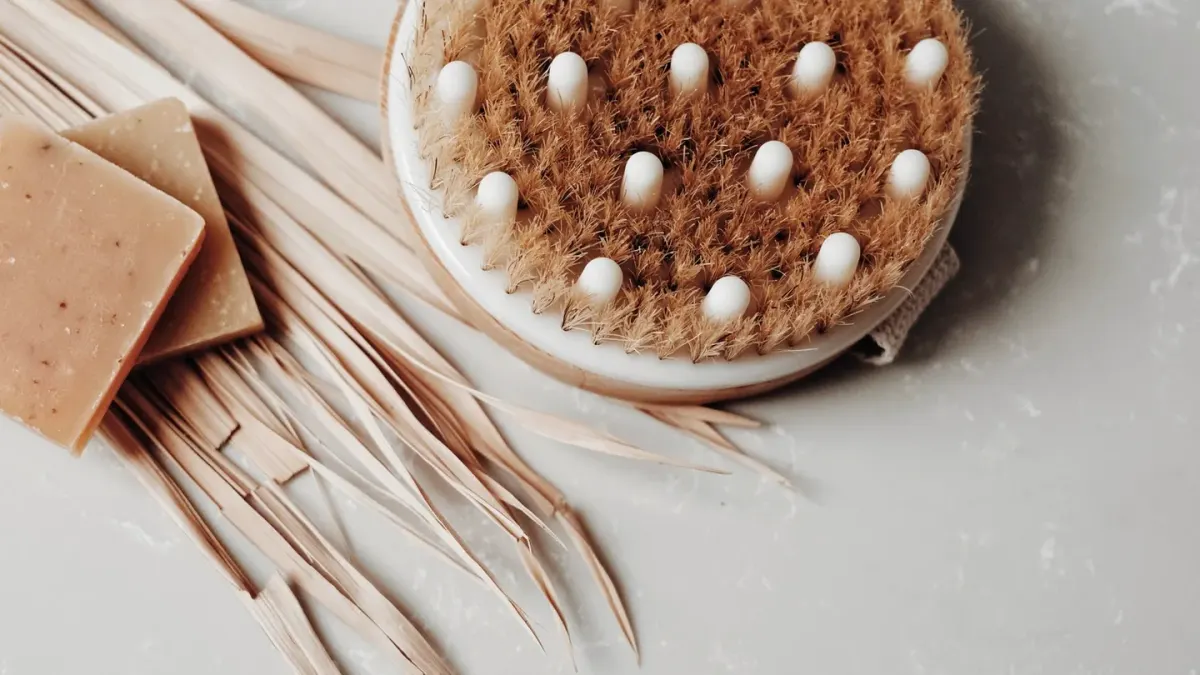
A common question I hear is whether a rubber curry brush is worth buying for a dog with almost no coat to speak of. It is. The nubs lift loose undercoat hair and gently massage the skin, which is exactly the combination a smooth coat benefits from — brief, low-effort, and done standing in the kitchen in under five minutes.
Building a routine that actually works
Set the rhythm around the dog’s coat behavior, not a generic schedule pulled from a long-haired grooming guide. A Beagle shedding lightly year-round needs a different cadence than a Labrador dropping undercoat in six-week waves each spring and fall.
Start with a weekly five-minute curry-brush session and a monthly skin check done during that same brushing — same spot, same time, so you notice when something’s different. Add a second weekly brushing during peak shedding weeks. Bathe roughly every four to six weeks, or sooner if the dog gets muddy, swims, or starts to smell “doggy” between baths — that smell is often the first sign the skin’s oil balance needs attention. If you’re weighing whether any of this is worth doing yourself versus paying for it, our guide on at-home grooming versus a professional groomer walks through that decision in more detail, and if brushing turns up mats or thinning patches that concern you, Dog Clippers vs. Scissors covers what tools actually solve which problems.
One thing I tell every short-coat owner: don’t confuse “doesn’t need a haircut” with “doesn’t need a brush.” Those are two different questions, and only one of them is true for a Boxer or a Beagle.
A myth worth retiring
The myth: short hair means minimal grooming, full stop. The reality: short hair means minimal coat styling — no scissoring, no de-matting, no monthly trim — but the skin and shedding management underneath still need consistent attention. I’d rather an owner brush a smooth-coated dog for five weekly minutes than skip it because the coat “looks fine,” because by the time a short coat visibly looks bad, the skin underneath has usually been struggling for a while.
The honest caveat: none of this replaces a veterinary exam if you find a lump, a persistent hot spot, hair loss in a defined patch, or skin that stays red or itchy for more than a few days. Grooming catches early signs; it doesn’t diagnose or treat them.
If cost is part of your decision-making, how much dog grooming costs breaks down what to expect whether you’re doing this at home or handing it to a professional a few times a year.
Where this heads for most owners
Looking ahead, the dogs I see holding up best long-term aren’t the ones with the fanciest routines — they’re the ones whose owners built a five-minute weekly habit and stuck with it. Short hair buys you time and lower effort, not an exemption. Set the brush by the door, check the skin while you’re at it, and let the coat tell you when it needs more.
Frequently asked questions
How often should a short-haired dog be brushed?
At least once a week, with more frequent brushing during spring and fall shedding surges, especially for double-coated short-haired breeds.
Do short-haired dogs get skin problems more easily than long-haired dogs?
Their more exposed skin can show irritation, dryness, hot spots, and sunburn more readily, so regular skin checks during brushing matter even without a heavy coat to manage.
What's the best brush for a short-haired dog?
A rubber curry brush or a short-bristle grooming glove works well for smooth coats — it lifts loose hair and massages the skin without pulling on the topcoat.
Sources
- Grooming and Coat Care for Your Dog — VCA Animal Hospitals