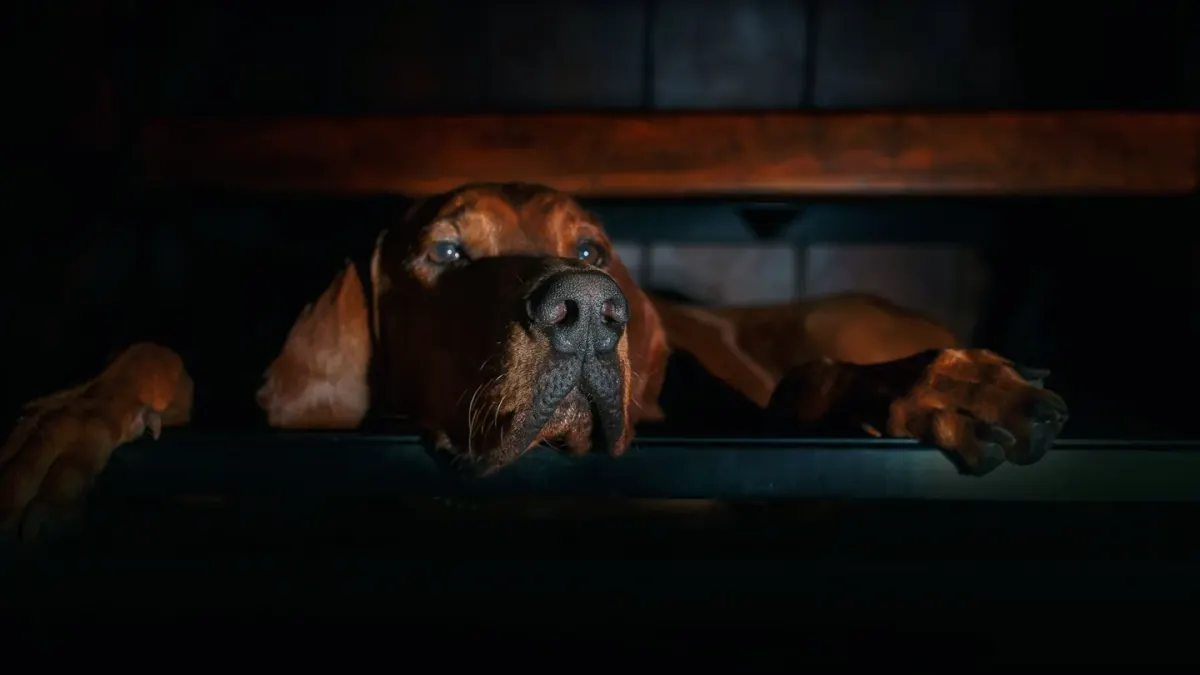
Last June I watched an owner towel off a three-year-old Husky mix, 52 pounds of panting fluff, in a warm exam room while tufts of pale undercoat lifted off his rump with every breath. She had booked for a summer shave-down because her apartment stayed at 78 degrees and he was shedding on everything, drinking more water, and flopping belly-down on tile after walks. She asked if clipping him short would finally help him rest. That question shapes the whole routine below, because the decision that looks kindest in July often makes coat care harder by August. In day-to-day practice, I support coat function rather than removing it.
Your clippers will not cool him the way you hope
A double coat has a job. Long guard hairs help repel sun and dirt, while the soft undercoat traps air and may help maintain normal temperature regulation through the seasons. When that undercoat packs down with loose shed, air stops moving and the dog holds heat and moisture against the skin.
That is the surprising limitation: you cannot bathe or clip your way around impacted undercoat. Clippers cut guard hairs that take months to regrow evenly, and a short coat can leave skin more exposed to sunburn without improving airflow. The ASPCA notes that routine brushing and coat maintenance support skin health, which matches what I see when owners switch from trying to remove coat to moving loose hair out a little at a time.
What that undercoat is actually doing in July
Think of July coat as insulation that needs combing, not removal. Dogs do not sweat through skin the way people do, so panting, shade, water, and limited exercise during heat remain the core cooling plan. Grooming supports that plan by keeping air pathways open and letting you check skin early.
The American Veterinary Medical Association reminds owners that warm weather safety depends on shade, water, and avoiding hot pavement and parked cars. I ground summer grooming in that same prevention mindset. A clean, separated coat may help maintain normal skin airflow and makes hot spots, ticks, foxtails, and redness easier to spot before a weekend turns into an urgent visit.
She had tried the shortcut the previous summer. By day 10 after a close clip, her 48-pound Samoyed mix was still panting hard after evening walks, and by three weeks in the clipped hair was growing back patchy and prickly while loose undercoat tangled at the roots. She brushed the top but the comb would not pass near the thighs, and the dog began mouthing at one damp spot behind the ear. We did not gain cooling. We gained sun exposure, itch, and a longer dematting job than if we had left the guard hairs alone and worked the undercoat out in layers.
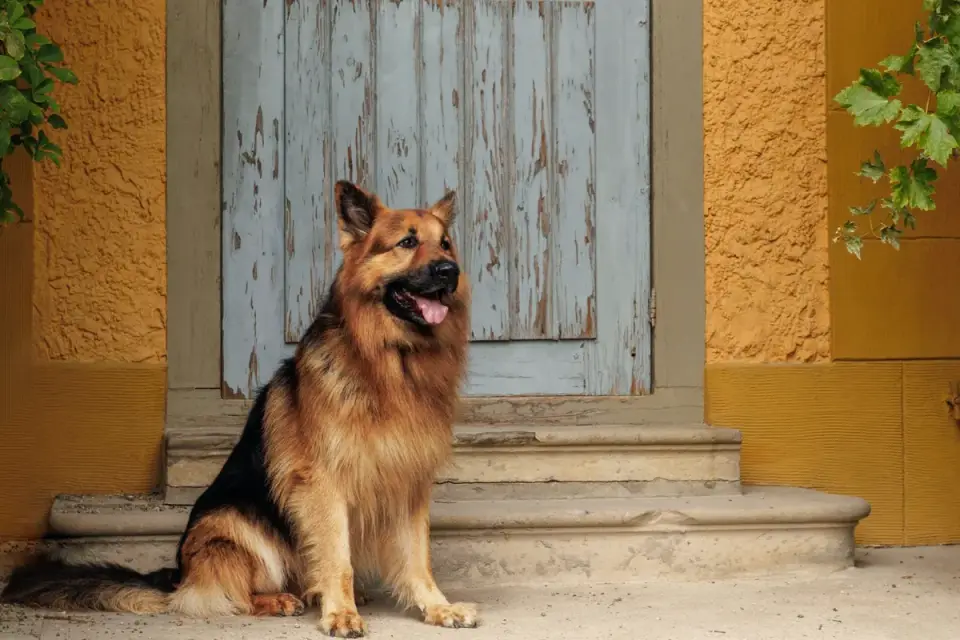
A summer routine you can repeat without shaving
This is the sequence I teach for most healthy double-coated adults. Keep sessions short and Fear Free, with treats and breaks.
Start dry, not wet. Work in a cool room after a walk, not right after heavy panting. Use an undercoat rake or wide-tooth comb first, then a slicker for light finishing. Part the hair in sections and comb from skin outward. If the tool snags, hold the base near skin and work the tip, rather than pulling.
Bathe only when the coat is mostly separated. Lukewarm water, a gentle dog shampoo, thorough rinse, then complete drying with airflow. Damp undercoat packed against skin supports matting and irritation.
That thorough drying step matters more than most owners expect.
Finish with a skin check. Look along the neck, armpits, belly, behind ears, and around the tail base for redness, odor, flakes, or thinning spots. Normal shedding is diffuse. Focal bald patches, crusts, or a moist, painful spot deserve a call.
Frequency depends on shed load. Many double-coated dogs do well with 10 to 15 minutes of combing two to three times weekly through summer, plus a bath every four to eight weeks unless they swim often or get dirty. Honest caveat: the preventive evidence here is thin and mostly practice-based, so adjust to what keeps the comb gliding and the dog comfortable. For help deciding how much to do at home, see At-Home Grooming vs a Professional Groomer: How to Actually Decide and Do Short-Haired Dogs Still Need Grooming? for contrast on coat types.
Later that month I saw the edge case that changes the plan. A nine-year-old Chow mix, 61 pounds, came in with a dense rump that had not shed normally that spring, plus dandruff along the back and a sour odor near the tail. The owner assumed summer heat was the cause and wanted a bath and trim. On exam the undercoat was tight to the skin, and by day 14 of home brushing the comb still would not pass without pain. That pattern points less to routine shedding and more to matting, skin infection, thyroid change, or pain that limits self-grooming. We paused the routine, checked skin and overall health, and sent her to a groomer comfortable with senior, low-stress handling rather than pushing through at home.
When to stop and get help
VCA Hospitals describes matting as hair that can tighten, trap moisture, and irritate skin, which is why severe mats should not be cut with household scissors. I follow that boundary closely. Stop home grooming and call your vet or groomer for tight mats, skin pain, swelling, discharge, strong odor, sudden hair loss, or heat-related signs like prolonged heavy panting, drooling, vomiting, or collapse.
Keep walks cooler, keep water close, and let the coat do its work. For tool questions, Dog Clippers vs. Scissors: Which One Your Dog Actually Needs can help you avoid buying the wrong equipment for this coat type.
Sources
- Dog Grooming Tips — ASPCA
- Warm Weather Pet Safety — American Veterinary Medical Association