
On this page
Maya and her 3-year-old, 62-pound Lab mix, Benny, came in last April doing everything right and still miserable by evening. They had done a long morning walk when the oak pollen was visibly yellow on the cars, then Benny napped on the couch, chewed his front paws raw, and rubbed his face along the rug until his eyes watered. Maya assumed he needed more baths, and more oatmeal shampoo, and she was exhausted from trying to keep up. What changed his season was not a stronger product at all, but a small, repeatable routine that removed pollen from his coat before it had hours to sit against skin.
That is the surprising limitation worth starting with: once pollen settles into coat oils and paw crevices, brushing or bathing hours later supports comfort but may not fully prevent that evening itch cycle. Pollen grains are sticky, microscopic, and designed to cling, and a dense double coat or feathered belly hair can hold them close to the skin through the day. The coat itself is not the disease, but a reservoir that keeps the trigger in contact. So our goal in day-to-day practice is not sterilizing the coat, it is lowering the total load, quickly and gently, on the days counts are high.
Why a quick wipe beats a weekly deep clean
In normal dog behavior, most pollen exposure happens low to the ground. Nose, chest, armpits, belly, front of the forelegs, and the webbing between toes collect far more than the top of the back. That is why a dog can look clean and still lick paws at 9 p.m.
My position, grounded in what actually gets done in busy homes, is this: a 90-second post-walk wipe of paws and underside supports skin comfort better through allergy season than relying on frequent full baths. Bathing still has a place, but over-bathing can dry the skin barrier that helps maintain normal defenses, and many dogs find full baths stressful enough that owners delay them. A short wipe is easy to repeat, which is what matters when pollen falls daily for weeks.
The strongest counterargument is fair. Wipes do not remove everything embedded near the skin, especially in curly, long, or very dense coats, and some veterinary dermatologists prefer regular bathing with appropriate shampoos during peak season. I still land on wipes-first for most pet dogs because consistency wins, and you can always add a bath when the coat feels gritty or smells musty. Be honest where the preventive evidence is thin: no home wipe has been shown to prevent atopic dermatitis itself, it may help maintain cleaner skin and paws between grooms.
According to VCA Hospitals, inhalant and environmental allergies in dogs often show up as itchy skin, paw licking, and recurrent ear or skin irritation, which is why lowering contact plus veterinary guidance matters more than any single grooming trick.
The myth that keeps itchy dogs itchy
The myth I hear most is that if you cannot see yellow dust, there is no pollen to remove.
Reality is quieter. Tree pollen in spring, grass pollen in early summer, and ragweed in fall are often invisible on fur, and indoor dust can carry what rode in on the coat. A white couch with no yellow smudge does not mean Benny left nothing behind. Dogs that roll, sniff, and bushwhack collect particles by contact, then transfer them to bedding where the belly and chin rest for hours.
A short, substantive paragraph helps here.
I learned this with a 6-year-old, 18-pound French Bulldog who came back three weeks in a row for pink paws and chin rubs. The owner was bathing every Sunday with a gentle shampoo, and the dog smelled great on Monday. By day 10 after each bath the licking always returned, worse after park evenings. When we mapped the timeline, the pattern was not about shampoo failure. The dog was picking up fresh pollen daily on his short, open coat and wrinkled face folds, then sleeping on an unwashed throw blanket. Switching to a daily paw-and-chin rinse plus washing the blanket twice a week supported calmer evenings far better than moving baths to twice weekly, which had only left his skin tight and flaky.
That tradeoff is common. More bathing feels productive, yet for many dogs it trades one irritation for another. Less, done daily, is often kinder.
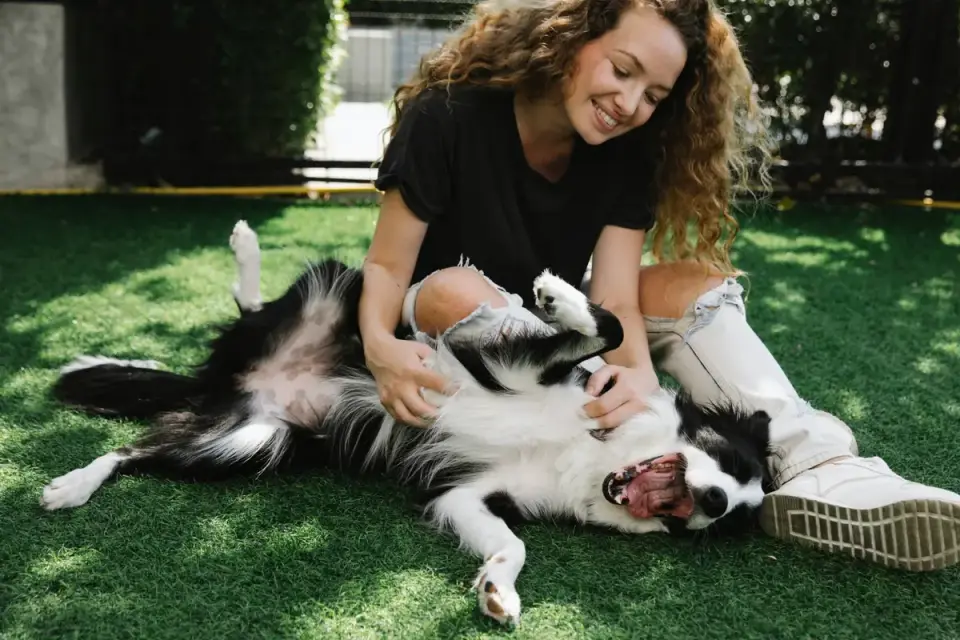
A same-day sequence to remove pollen from the coat
Forget a complicated allergy protocol. Think entryway station, same order every time, treats scattered generously so the dog opts in.
Start at the door before the couch. Keep a lidded bin with lukewarm water, soft microfiber cloths, a slicker or comb appropriate for the coat type, and fragrance-free, pet-safe grooming wipes for travel days. Shake off the harness outside, then work low to high while the coat is dry. Paws first, including between toes where pollen cakes, then chest, belly, and the backs of the legs where feathering traps debris. Use a damp cloth rather than soaking wet, with light pressure around eyes and lips, because scrubbing can irritate skin that is already tender.
Brushing comes next, and technique matters more than tools. For smooth coats a rubber curry or soft bristle brush lifts surface dust outward. For long, curly, or double coats, line-brush in small sections down to the skin and check behind ears and in armpits where mats form. If you live with heavy shedding, our guide on Are Deshedding Tools Safe for Your Dog’s Coat? can help you choose pressure and frequency that supports coat health without scratching skin. For poodle-type curls that hold everything, the sectioning approach in How to Groom a Poodle’s Curly Coat at Home is especially useful during peak pollen weeks.
Bathing stays in reserve for gritty coats, odor, or visible dirt. Lukewarm water, a mild dog shampoo, thorough rinsing, and complete drying support a healthy skin barrier better than hot water or heavy fragrance. Most pet dogs do well with bathing only as needed through allergy season, with wiping carrying the daily load. Cornell University College of Veterinary Medicine notes that canine atopic dermatitis is a chronic, often seasonal inflammatory condition linked to environmental allergens, so persistent itch, hot spots, hair loss, or ear odor deserve a veterinary exam rather than more home bathing.
Finish by managing what the coat touches. Wash the dog’s bedding weekly in hot water, vacuum couch throws and rugs where the dog naps, and run a quick damp mop in the entryway during high-count weeks. On very high pollen or heat-wave days when windows stay open and particles drift inside, the indoor-air tips in Keeping a Dog Comfortable Indoors During a Heat Wave pair well with coat care. If guests, open doors, and extra excitement add stress licking on top of seasonal itch, the calm-entry ideas in How to Keep a Dog Safe and Calm During a House Party may help maintain a calmer evening routine.
The edge case owners miss
The last story is the one that changed how I counsel owners with small, low-to-ground dogs. A 5-year-old, 14-pound beagle mix was doing beautifully on wipes through May, then flared by day 4 after a weekend at a family cabin. The surprise was not the field grass. It was the car. She had ridden home with her damp belly on a fabric seat cover that had collected two days of pollen, then napped on it again for the next week in the laundry room. We washed the cover, added a washable crate pad for travel, and kept the post-walk wipe exactly the same. Her paw chewing eased over the next ten days, which reminded me that the coat is only half the reservoir.
Pollen in the environment can prolong contact even when grooming is consistent, a point echoed in public-health overviews of pollen exposure from the National Institute of Environmental Health Sciences. That does not mean deep-cleaning the whole house daily. It means washing the two fabrics the belly touches most.
If itch persists despite steady coat care, spreads to ears or groin, or needs more than occasional soothing, check in with your veterinarian before adding new topicals or anti-itch products. Your wipe routine supports comfort and cleaner paws, and your vet can help sort seasonal irritation from infection or chronic allergy that needs a longer plan.
Your dog does not need a perfect coat to get through allergy season, just a cleaner landing after every walk.
Frequently asked questions
How often should I wipe pollen off my dog's coat?
On high-pollen days, a quick wipe of paws, belly, and chest after each walk supports lower allergen load better than one weekly bath. Add a full bath only when the coat feels gritty, smells musty, or your veterinarian recommends it.
Can I use baby wipes or just water to remove pollen?
Plain lukewarm water on a soft cloth works for most dogs. If you use wipes, choose fragrance-free wipes made for pets and avoid eyes. Stop any product that leaves redness or dryness and ask your veterinarian for alternatives.
When is itching more than seasonal pollen?
Call your veterinarian for persistent scratching, paw chewing that breaks skin, hot spots, hair loss, ear shaking or odor, or itch that continues despite steady coat care. Those signs may reflect infection or chronic allergy that needs diagnosis.
Sources
- Allergy - General in Dogs — VCA Hospitals
- Allergens Overview — National Institute of Environmental Health Sciences