
Maya braces when she sees another dog half a block away, because her 2-year-old, 68-pound Labrador, Milo, goes from loose-leash walker to lunging, barking freight train in about three seconds. She has tried holding him close, talking him through it, even crossing the street at the last second, but by the time the other dog is even with them Milo is up on his hind legs and she is embarrassed and out of breath. The decision she is weighing that morning feels concrete: keep letting every walk turn into a confrontation, or commit to a calmer plan where she spots the trigger early, creates space, and rewards Milo for checking in and moving past instead of demanding a perfect heel. Three weeks in, that small shift is what lets her see his ears soften instead of pin forward.
That first choice matters because expectation comes first in my exam room. Most dogs cannot learn to walk past another dog at close range before they can do it at a distance where they still feel safe.
Why distance matters more than obedience here?
The surprising limitation is not stubbornness. It is threshold.
A dog over threshold cannot think, listen, or learn well. Barking, freezing, lunging, whining, or scanning and refusing treats are all signs the brain has flipped into reaction. If your dog will not take a pea-sized treat he normally loves, you are too close. That is baseline behavior information, not defiance.
Management may help support learning while you train. A well-fitted front-clip harness or head halter introduced with treats, a 6-foot leash held with two hands at your belly, and routes with easy escape space give you options without pain or panic. The AVSAB guidance on humane training supports reward-based methods for behaviors rooted in fear and arousal, and that fits pass-bys exactly.
Give yourself permission to move away. Distance is training.
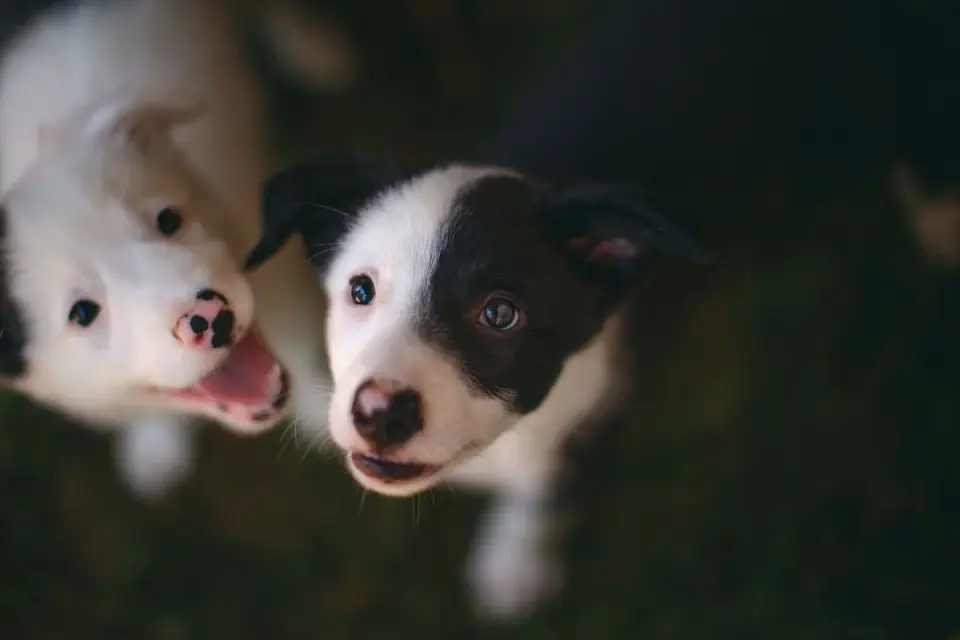
Do dogs just need to say hi to calm down?
This is the myth I hear most: if we let them greet, they will get it out of their system.
Reality is messier. On-leash greetings are head-on, short-leashed, and hard to exit, which is the opposite of normal polite dog body language. Some dogs get more aroused after greetings, not less. Others get worried when a bouncy stranger rushes in.
My recommendation is clear: teach a practiced pass-by first, and save dog-dog play for planned off-leash time with known friends.
The strongest counterargument deserves a hearing. Owners worry that never saying hi will make a dog more frustrated or less social. That concern is fair for a young, social puppy who is simply excited. Even then, I still land on structured passes for walks, because sidewalk greetings rarely teach calm and often rehearse pulling. Social needs are better met in a play session where both dogs can move freely and take breaks.
The ASPCA behavior resources make a similar point about managing greetings and reading stress signals before pushing closer.
Maya learned this the hard way. For two weekends she tried the “let him say hi and he’ll settle” approach on their narrow sidewalk, letting Milo drag her the last ten feet while she reeled the leash tight and chirped “be nice.” By day 10 the pattern had flipped the wrong way: Milo started whining and spinning the moment any dog appeared 50 feet out, and once he missed the treat tossed on the ground he would bark straight through the greeting. The tradeoff was clear on video she brought in — tighter leash, taller posture, faster breathing, zero check-ins. They had not taught calm; they had rehearsed the sprint to the trigger.
That failure is useful. It tells you arousal was driving the bus.
How do you build a calm pass-by this week?
Work in three short layers. Keep sessions to 5 to 10 minutes, once or twice a day.
Start with the magnet game at home. Say your dog’s name, mark “yes” when eyes flick to you, and reward at your pant seam. Repeat until the head turn is fast. This is the same marker timing covered in How to Teach a Dog to Sit: The Method That Actually Sticks, and clean timing carries straight into walks.
Then add movement. Take three steps, mark and reward for staying near you. Add a U-turn cue — “this way” — and reward generously for spinning with you to earn distance. A reliable U-turn beats a shaky stay on a busy sidewalk, though a How to Teach a Rock-Solid Stay helps at curbs and doorways.
Now take it outside with space.
Spot the other dog early. Arc 15 to 30 feet away if you can. Talk less. Mark and reward every two to three seconds for looking at the dog then looking back at you, for soft body, for four paws moving with you.
Keep walking. Stopping to stare makes it harder.
If your dog locks, whines, or will not eat, increase distance without apology. Cross, turn, or duck behind a car. You did not fail the rep; you read it.
Short works best.
The American Kennel Club leash-training guidance also emphasizes rewarding the position you want and keeping early practice in low-distraction settings before adding busier streets.
Here is where an edge case changes the plan. A retired couple brought in their 9-year-old, 42-pound spaniel mix who had passed dogs politely for years but started barking on evening walks about four weeks after a slipped-leash scare with an off-leash dog. At close range under 12 feet her hackles rose and she would lunge once, then pant heavily for the rest of the block. For her, this was not a manners gap but a new fear memory plus aging joints that made quick sidesteps painful. They needed a wider 25-foot arc, daylight practice only, vet-checked pain support, and permission to skip the busy river path entirely for a month while confidence rebuilt.
Older dogs, dogs in pain, and dogs with a bite history need that tailored baseline. Expect slower progress and prioritize safety over streaks.
When should you get help? If your dog redirects onto the leash or you, cannot recover within a minute or two after the trigger passes, or you are avoiding walks altogether, book a veterinary behavior consult or certified reward-based trainer. Bring video. Forewarned handling keeps everyone safer.
You will know it is working when check-ins get faster and recovery gets shorter, even if the first glance is still intense.
Frequently asked questions
How far away should I start when teaching my dog to pass another dog?
Start where your dog notices the other dog but can still eat treats and turn toward you, often 30 to 50 feet or more for reactive dogs. Close the distance in small steps only as check-ins stay quick and the body stays soft.
Should I let my dog greet the other dog on leash?
For training pass-bys, skip on-leash greetings. They often raise arousal and rehearse pulling. Teach movement past first, then let social play happen off-leash with known, friendly dogs where both can move and take breaks.
What should I do if my dog is already barking and lunging?
Increase distance right away with a cheerful U-turn or arc, avoid leash pops, and reward any glance back toward you. If your dog will not take treats or settle within a couple minutes, end the setup and try again later with more space.
Sources
- Position Statements — AVSAB
- Common Dog Behavior Issues — ASPCA