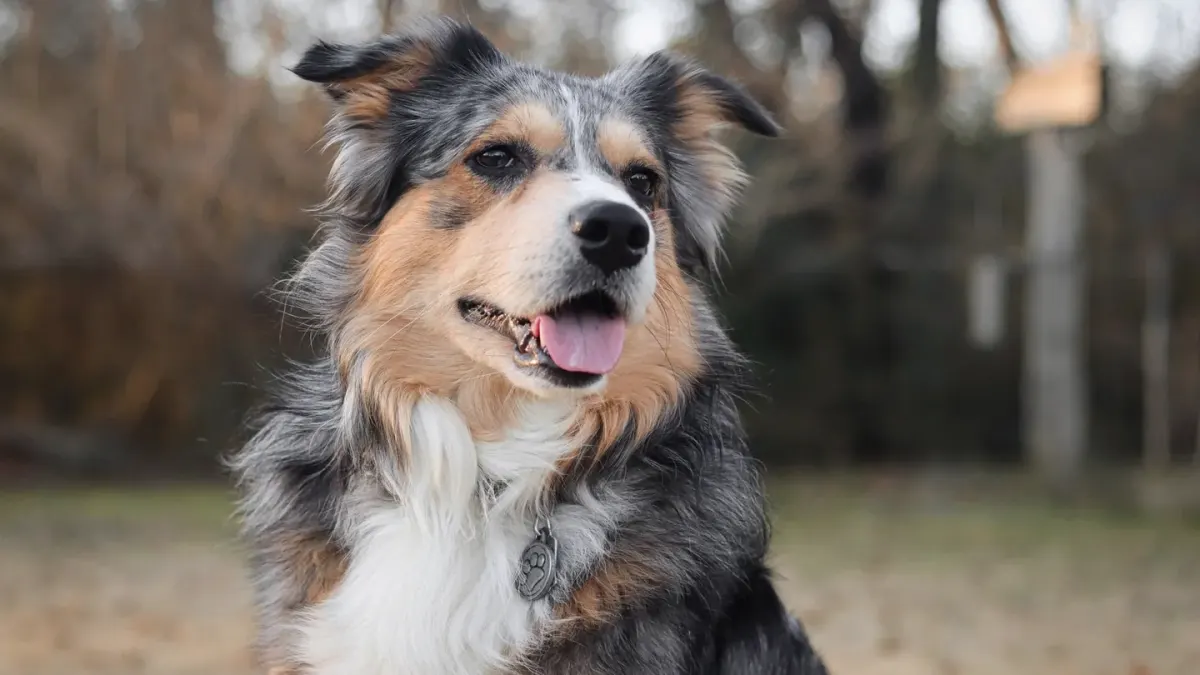
A beagle mix named nothing in particular sits at the back door most evenings, staring at a squirrel two fences over, chest puffing up before a single sharp bark escapes. Her owner used to shush her out of habit. One night, instead, she said “speak” a half-second before the bark landed, then handed over a piece of chicken. Nothing about the dog’s behavior changed that first night. The owner’s timing did. By the end of the week, the same setup, dog at the door, owner ready with a word and a treat, produced a bark on request instead of a bark on the dog’s own schedule. That is the entire premise of teaching a dog to speak on cue: the behavior is already in the dog’s repertoire, and the work is entirely about catching it, naming it, and paying for it consistently enough that the dog starts offering it first.
The bark is already there; you are not building it from scratch. Every dog with normal hearing and a normal voice box already barks, whether at the mail carrier, a dropped fork, or another dog across the street. Training “speak” is not teaching a new physical skill the way rolling over or shaking a paw would be. It is putting an existing, involuntary-feeling behavior under voluntary control, which is a fundamentally easier training problem. Owners who treat this like teaching a brand-new trick often overcomplicate it, waiting for inspiration instead of simply watching for the bark that was going to happen anyway.
What to prioritize before you ever say “speak.” Pick a trigger you can reliably recreate, a knock at the door, a toy held just out of reach, mild frustration at a closed treat jar. Have high-value food ready before you start, not after the bark happens. Choose a marker word or clicker sound the dog already understands means a reward is coming. And decide on your release cue for quiet now, not later, because a dog that learns to bark on command without also learning to stop on command is a dog that has learned half a skill.
The step-by-step sequence that actually works.
- Set up the trigger (a knock, a toy) and wait for the natural bark.
- The instant the bark starts, say “speak” and mark it, then reward within one to two seconds.
- Repeat across five or six short reps, always saying the word right as or just before the bark happens.
- Start saying “speak” slightly earlier in the sequence, before the trigger is fully presented, to test whether the dog is starting to anticipate the word rather than just the trigger.
- Fade the trigger itself once the dog reliably barks to the word alone, rewarding every clean response for several sessions before thinning out treats.
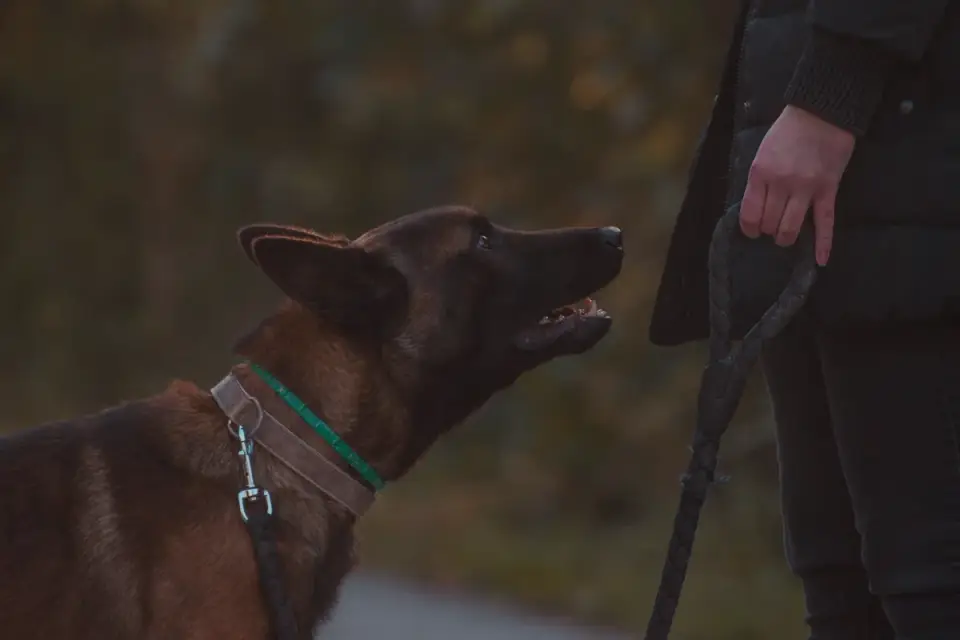
Where owners get this wrong. The most common mistake is asking for “speak” with no bark anywhere in sight and then getting frustrated when nothing happens; a cue only means something once it has been paired with the actual behavior dozens of times. The second mistake is rewarding a bark that was going to happen regardless of the word, which teaches the dog that barking earns treats generally, not that this specific word earns them. Some trainers still recommend correction-based shortcuts, a leash pop or a startle sound to interrupt silence and force a reaction. I do not recommend that route, and not because it never produces a bark. It sometimes does. It also teaches a dog that training sessions carry some risk of an unpleasant surprise, which works against the calm, predictable handling most house dogs actually need. The Position Statement on Humane Dog Training from AVSAB is direct about this: reward-based methods perform as well or better than aversive ones across training contexts, without the same risk to welfare or to the relationship between dog and owner. That is the evidence I build every training recommendation around, and “speak” is no exception.
Picture a different household down the street, a terrier who learned “speak” using nothing but capturing and treats, the same sequence above, run faithfully every evening for a month. The trick worked beautifully. A little too well, in fact; the dog began grumbling and vocalizing anytime it wanted attention, not just when the cue was given, because every bark near a person had quietly been getting rewarded somewhere along the way. The fix in a case like that is never to undo the trick. It is to tighten the cue itself: rewarding “speak” only in the second or two right after the word, and letting barking offered on the dog’s own initiative in other contexts go unrewarded rather than accidentally reinforced. Within a couple of weeks, vocalizing outside of actual training sessions typically settles back down. The trick was never the problem; the boundaries around it were.
Teaching “quiet” right after “speak.” Once the dog reliably barks on cue, ask for a bark, wait one to two seconds of silence, then mark and reward that silence with the word “quiet.” Alternate speak and quiet within the same short session so the dog learns both halves as one skill rather than two disconnected tricks. Understanding what a bark is actually communicating helps here too; barks vary in pitch, rhythm, and context depending on what the dog is trying to convey, and What Do Your Dog’s Barks Mean? Speaking Their Language notes that dogs use distinct bark patterns for alerting, excitement, and attention-seeking. A dog asked to “speak” during a calm, low-arousal moment is drawing on a different vocal register than a dog barking at a stranger at the fence line, and training goes faster when you pick your trigger from the calmer end of that range.
When speak training isn’t the right call. A dog that almost never vocalizes, even during clearly exciting or frustrating moments, may have a laryngeal or neurologic issue worth a veterinary look rather than a training gap. The reverse is also true: a dog barking excessively, especially if it started suddenly or is paired with pacing, panting, or house soiling, needs an exam before any new trick is layered on top. Training capturing and shaping techniques more broadly, the same skills used to build a reliable “speak,” are described well in What Is Shaping? Building Behaviors With Step-by-Step Dog Training, and those same mechanics transfer directly to other tricks once a dog understands the basic capture-and-reward pattern. If your household is still working out the fundamentals of marker timing and reward delivery, our getting-started guide covers that groundwork before you tackle a cued trick like this one.
A dog that speaks on cue and goes quiet on cue is a dog whose owner has real conversational control over one of its most natural behaviors. That is worth more than the trick itself.
For related context, read How to Teach “Leave It” (The Cue Most Owners Teach Backwards).
Frequently asked questions
How long does it take to teach a dog to speak?
Many dogs offer a reliable bark on cue within one to two weeks of short daily sessions, though vocal breeds and dogs that already bark readily tend to pick it up faster than naturally quiet ones.
Is it bad to teach a dog to bark on command?
Not if you teach 'quiet' alongside it and only practice in appropriate settings; the trick itself does not cause nuisance barking, poor management of the cue does.
What if my dog won't bark at all during training?
Skip forcing it and instead trigger a natural bark with something the dog already barks at, like a knock at the door or excitement over a toy, then capture that moment with a marker word and a treat.