
On this page
Brushing the whole dog still misses the one spot that mats first, right where the ear rubs against the neck. That thin patch of silky hair gets friction with every head shake, scratch, collar rub, and nap, then traps moisture and forms a tight knot before you notice it.
I saw this last spring with a six-year-old Cocker Spaniel, 28 pounds, who came in for vaccines with perfect-looking feathering everywhere except two hidden felted lumps behind each ear. His owner brushed him three times a week and felt terrible for missing them. By day 10 after his bath without a blow-dry behind the ears, the damp undercoat had locked around the topcoat. We had to carefully clip one mat out, and that choice — 30 seconds of checking versus a bald spot that took three weeks to blend back in — is the decision behind this whole routine.
Brushing misses where ears move most
Ear leather is constantly sliding against the neck skin. Add a collar, a harness strap, drool after drinking, or leftover ear cleaner, and you get warm, slightly damp friction exactly where the hair is finest. That is why Poodles, Cockers, Cavaliers, Doodles, Shih Tzus, and any long-coated mix mat there first.
The ASPCA grooming guidance reminds owners that regular brushing and checking for tangles supports skin health and comfort, especially in long-coated breeds. I follow that same prevention-first approach: feel behind the ears daily, even on days you skip a full brush-out.
It takes less handling than you think.
The myth that detangling spray alone prevents mats
Many owners buy a detangling spray and assume a spritz every few days will keep that area clear. Spray supports slip and may help maintain a smoother coat during brushing, but it cannot dissolve friction or dried saliva. On its own, it just coats a tangle that keeps tightening underneath.
I learned how that tradeoff fails with a four-year-old Cockapoo, 22 pounds, whose owner did everything right on paper for two weeks. She misted the ears nightly but never parted the hair to the skin or dried the area after rainy walks. By day 14 the surface felt soft and the base felt like cardboard, and pulling a comb through it made the dog yelp and duck away. We stopped, trimmed the collar hair shorter to reduce rubbing, and rebuilt trust with short, treat-paired sessions instead of forcing the comb through.
Be honest where the preventive evidence is thin: no home product has been shown to prevent mats without mechanical separation and airflow. The Cornell University College of Veterinary Medicine notes that routine coat care and early attention to problem areas help support skin health, which matches what I see in day-to-day practice.
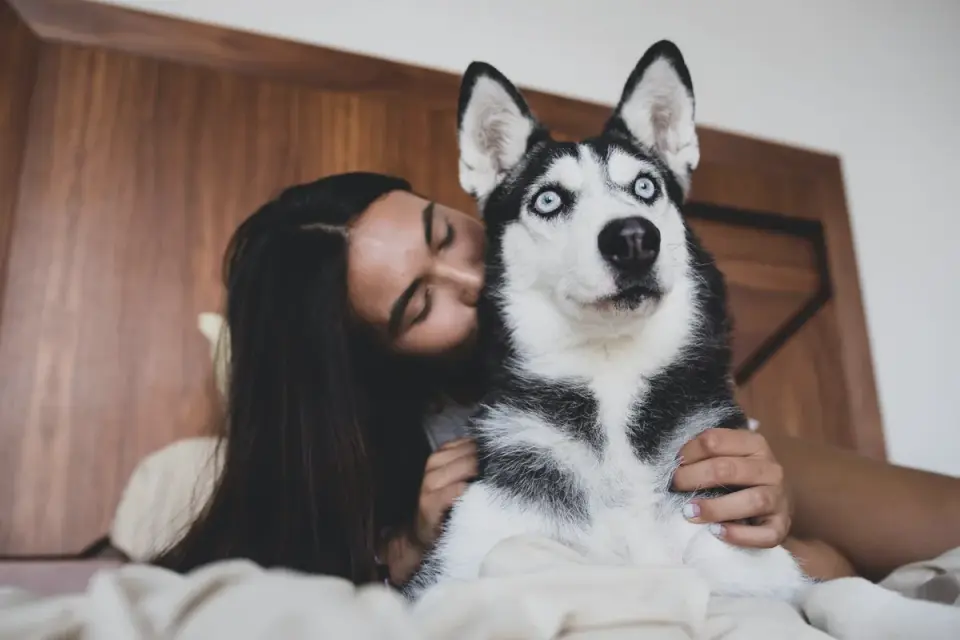
A 5-minute routine that keeps ears clear
Do this in order, with the dog settled after a walk or meal. Keep sentences short in your head: lift, look, separate, smooth.
Start by lifting the ear flap forward and parting the hair behind it so you see skin. Run your fingertips through first; if you feel a pea-sized thickening, that is your early warning. Use a steel greyhound-style comb, not just a slicker, and comb from the ends toward the skin in 1-inch layers while holding the base so you do not pull ear skin.
If the comb snags, do not yank. Hold the tangle at the base, pick at the edge with the tip of the comb, then brush outward. A small amount of light detangler on the tangle only — not soaked on clean skin — may help maintain slip while you work. Finish by combing dry and checking that the comb slides to the skin without catching.
Build this into the same moment you check ears. If you already follow How Often Should You Clean a Dog’s Ears?, add the 30-second behind-the-ear feel to that check. If ears need cleaning, use the low-stress steps in How to Clean Your Dog’s Ears at Home (Without Making Things Worse) and then make sure the hair behind the ear is dry afterward, since dampness speeds matting.
For dogs that hate handling, borrow the short-session approach from How to Prevent Food and Toy Guarding Between Two Dogs is not about grooming, but the principle is the same: frequent tiny wins beat one long struggle. A better direct fit is keeping sessions Fear Free and under two minutes at first, stopping before the dog pulls away.
When behind-the-ear mats signal something else
A 13-year-old Shih Tzu mix, 14 pounds, changed how I talk about this spot. She had never matted badly, then over three weeks developed repeated damp clumps behind the right ear despite daily combing. The edge case was not coat texture at all — she had started scratching that ear because of itch and head-shaking, and the scratching created friction and moisture that tangled the hair overnight. Once we addressed the ear discomfort with her veterinarian and kept the surrounding hair trimmed short for airflow until the scratching settled, the matting stopped.
That is your cue to look closer. Mats on one side only, odor, head tilt, scratching, redness, swelling, discharge, or pain when you lift the flap are not grooming problems alone. Do not cut a tight mat with scissors; ear skin pulls up into mats easily and cuts bleed heavily. Ask your veterinarian or groomer to safely clip it, and ask whether ear hair should be left alone — Should You Pluck the Hair Inside a Dog’s Ears? explains why routine plucking is no longer default care.
Dry the area after baths, swimming, and rain, keep collars clean and properly fitted, and trim the pocket behind the ear slightly shorter if your groomer recommends it for your breed. You will prevent most mats before they start, and you will catch ear problems earlier too.
Frequently asked questions
How often should I check behind my dog's ears for mats?
Feel behind the ears daily with your fingertips and comb to the skin 2-3 times per week for long-coated breeds, and daily during shedding, allergy season, or wet weather.
Can I cut out a mat behind the ear with scissors?
No — ear skin tents up into mats very easily. Hold the base and pick small tangles apart with a comb, and have a groomer or veterinarian clip out tight, pelted mats with clippers.
Does shaving behind the ears prevent matting?
Keeping that small pocket trimmed shorter can reduce friction and improve airflow, but you still need regular combing and drying after baths or rain. Ask your groomer what length suits your breed.
Sources
- Dog Grooming Tips — ASPCA