On this page
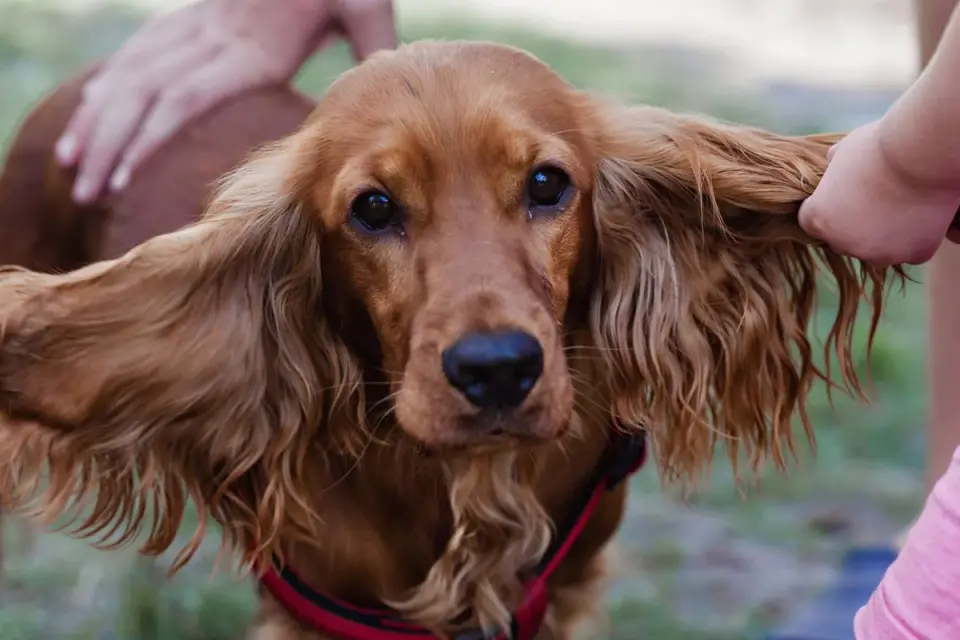
The ear canal is not just a hole in the side of a dog’s head. It’s an L-shaped tube, vertical then horizontal, lined with skin that produces wax and depends on airflow to stay dry. In breeds like Poodles and Cocker Spaniels, hair grows continuously down into that canal the same way it grows on the rest of the body — because those coats never stop cycling. That’s the physiology behind the whole plucking debate, and it’s why the answer isn’t a flat yes or no.
I’ve spent a lot of appointments explaining this to owners who were told, somewhere along the way, that hairy ears simply have to be plucked as routine maintenance. In my practice, I see two very different dogs walk in with the same hairy-ear complaint. One is a Poodle mix with a normal, dry, faintly waxy canal and hair that’s a little matted at the opening. The other is a Cocker Spaniel, about seven years old, sixty-some pounds, whose owner mentions the head-shaking started three weeks ago after a lake weekend. That second dog’s canal is red, narrowed, and packed with hair holding moisture against inflamed skin. The tool is the same — tweezers or forceps — but what’s appropriate for each dog is not, and that’s the distinction that gets lost in most of the ear-hair advice circulating online.
Why removing hair from a healthy canal can backfire
Plucking hair out of an ear canal is a mechanical injury, even when it’s done gently. Each strand comes out through a follicle embedded in living tissue, and pulling it creates a small wound and a local inflammatory response. In a clean, dry, unremarkable canal, that’s an unnecessary trade: you’re introducing inflammation and a microscopic entry point for bacteria or yeast into an ear that wasn’t causing a problem in the first place. According to Merck Veterinary Manual, hair should not routinely be removed from the ear canal if it isn’t causing a problem, because plucking can trigger an acute inflammatory reaction in otherwise normal tissue. That’s the mechanism-level reason routine plucking fell out of favor with a lot of veterinary dermatologists over the past decade, even in traditionally “pluck-heavy” breeds.
When plucking genuinely helps
The exception is real, though, and it matters for the dogs who need it. In an ear that already has chronic or recurring infection, a dense mat of hair can physically block topical medication from reaching the canal wall and can trap the humidity that yeast and bacteria thrive on. Preventive Vet notes that in dogs with chronic ear infections and heavy hair growth, careful plucking can be beneficial, and that veterinary dermatologists generally reserve the practice for ears that are already infected and too hair-packed for medication to work. This is a targeted intervention tied to an active problem, not a maintenance habit for a quiet, healthy ear.
A myth worth retiring
The myth is that hairy ears are inherently a ticking time bomb and every strand inside the canal has to come out on a schedule. The reality is closer to the opposite: for most dogs, hair alone doesn’t cause infection — moisture, inflammation, allergies, and poor airflow do. Hair becomes a problem when it traps water or wax against the skin, not simply by existing. That’s why trimming the hair around and just inside the ear opening with blunt-tip scissors, brushing it out regularly, and drying the ears thoroughly after baths or swims solves the airflow issue for the vast majority of dogs without a single strand being pulled from inside the canal.
A sequence that works for most owners
Start with what you can see and reach safely: trim the hair fringing the ear opening, brush out the visible hair inside the flap, and keep the area dry after water exposure. If your dog is prone to buildup, a routine ear-cleaning habit matters more than plucking ever will — see our guide on how to clean your dog’s ears at home and how to pick a dog ear cleaner that actually supports that routine. Watch for head shaking, odor, redness, or scratching at the ears — those are signs to get a vet exam, not a home plucking session. If your vet does find heavy hair contributing to an active infection, plucking becomes part of the treatment plan they build for that specific ear, done carefully and usually alongside medication.
I think about that Cocker Spaniel a lot. Her owner had been trimming the ear fringe herself for years and assumed that was covering it, which is honestly the right instinct — trimming genuinely is the safer default. What she hadn’t done was get the canal itself checked once the head-shaking started, and three weeks of trapped moisture behind matted hair had already turned into a moderate infection by the time we looked with an otoscope. The lesson wasn’t that she’d been doing ear care wrong. It was that hairy-ear maintenance and an actual ear problem call for two different responses, and only a vet exam tells you which one you’re looking at.
While you’re building out ear-adjacent routines, it’s worth keeping the rest of grooming on a sane schedule too — how often you bathe your dog affects how much moisture ends up near those ear canals in the first place, and general coat maintenance like nail trims tends to happen on the same visit as an ear check for a lot of owners.
Where I land
Plucking is a treatment for a hairy, already-infected ear canal, not a grooming habit for a healthy one. If your dog’s ears are dry, odor-free, and comfortable, trim the visible hair, brush it out, dry the ears after water exposure, and leave the canal alone. If you’re seeing head-shaking, odor, redness, or repeated infections, that’s a vet visit and possibly a professional plucking as part of treatment — not a project for tweezers at the kitchen table. The strongest counterargument I hear is that groomers have plucked routinely for generations without obvious harm, and that’s fair; plenty of ears tolerate it fine. But “usually tolerated” isn’t the same as “actually necessary,” and given the real inflammatory risk on the other side of that trade, I’d rather owners default to trimming and let a vet decide when a canal genuinely needs more.
Frequently asked questions
Does plucking a dog's ear hair prevent infections?
Not on its own. Hair itself isn't the main driver of ear infections — trapped moisture and inflammation are. For most dogs, trimming and drying the ears matters more than removing hair from inside the canal.
Which dogs actually need their ear hair plucked?
Mainly dogs with chronic or active ear infections where hair is dense enough to block topical medication from reaching the canal. That's a call for your vet to make during an exam, not a routine grooming step.
Is it safe to pluck a dog's ear hair at home?
Trimming the visible hair around the opening is generally low-risk. Reaching into the canal itself carries a real risk of inflammation and small tissue injury, so that part is best left to a vet or an experienced groomer working from a diagnosis.
Sources
- Ear Infections and Otitis Externa in Dogs — Merck Veterinary Manual
- Should You Pluck Your Dog's Ear Hair? — Preventive Vet