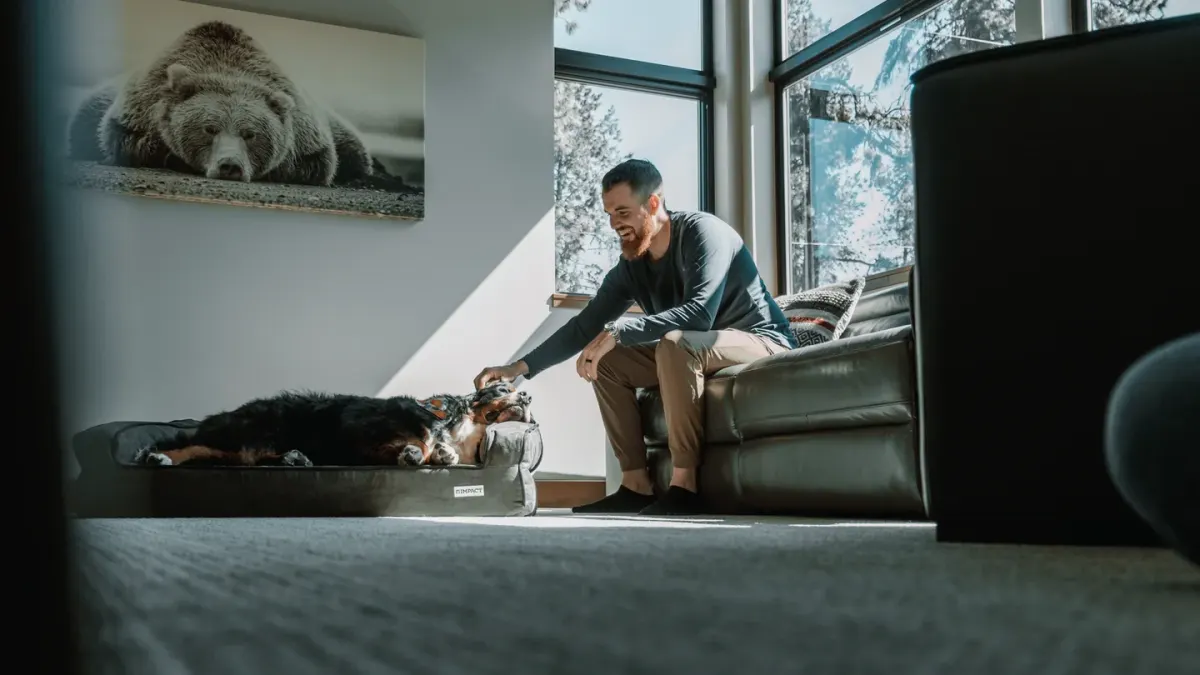
Maya thought her three-year-old, 62-pound Boxer mix would be wash-and-go because his coat barely looked long enough to brush. By week three in her new apartment, tan hairs covered the couch, his nails clicked on the kitchen tile, and a faint doggy smell hung around his collar area. She was doing the right things in bursts — a bath here, a quick nail trim there — but without a rhythm the jobs piled up and he fidgeted more each time. That pattern is exactly what I see in day-to-day practice with short-coated breeds: not neglected dogs, just dogs without a predictable sequence that supports skin, nails, and handling comfort.
Short coats hide change. A Labrador, Beagle, French Bulldog, or Pit Bull-type dog may shed year-round, trap dander near the skin, and develop dry flaking or dullness long before an owner notices matting, because there is no matting to warn them. The coat still turns over, the nails still grow, and the ears and skin folds still collect debris. A routine matters less for style and more for early detection and normal comfort.
Short hair does not mean low maintenance
Here is the surprising limitation: you cannot brush your way to a clean short coat if dead hair and skin oils stay packed at the base. A soft rubber curry or short bristle brush lifts loose hair and distributes oils, which may help maintain normal shine and supports healthy-looking skin, but it does not replace periodic bathing, nail care, and hands-on skin checks.
In my experience the evidence for frequent brushing is practical rather than perfect. It reduces loose hair around the house, gives you a weekly look at lumps, redness, or dandruff, and keeps handling normal for a busy dog. Where the preventive evidence is thin is on exact frequency — no single schedule fits every Boxer, Dalmatian, or Boston Terrier. I land on a short weekly session plus quick daily touchpoints, because consistency predicts cooperation better than marathon sessions do.
If you want background on why these coats still need attention, read Do Short-Haired Dogs Still Need Grooming? before you build your calendar.
Retire the idea that baths ruin short coats
Many owners swing between two failed approaches. One is bathing every weekend with strong shampoo to chase odor, which can leave skin dry and itchy. The other is avoiding baths for months because someone warned that water strips the coat, which lets odor, allergens, and flaking build up. I watched this tradeoff play out with a six-year-old, 28-pound Beagle who came in greasy through the shoulders and pink between the toes. His owner had stopped baths entirely after a bout of dry skin, then tried to compensate with daily dry wipes and heavy brushing. By day 10 after we reset to lukewarm water, a mild dog-formulated shampoo, thorough rinsing, and complete drying, his coat lay flatter and the owner reported less scratching at night — not proof of a cure, just what normal cleaning plus observation can reveal.
The American Kennel Club notes that brushing, bathing basics, nail trims, and ear checks work together rather than as occasional fixes, which matches how I teach it in the exam room. Use lukewarm water, a gentle dog shampoo, and a full rinse until water runs clear, then dry folds and ears so moisture does not linger. Most healthy short-coated dogs do well with a bath every four to eight weeks, with spot cleaning as needed, and always talk with your veterinarian if odor, itching, or redness persists.
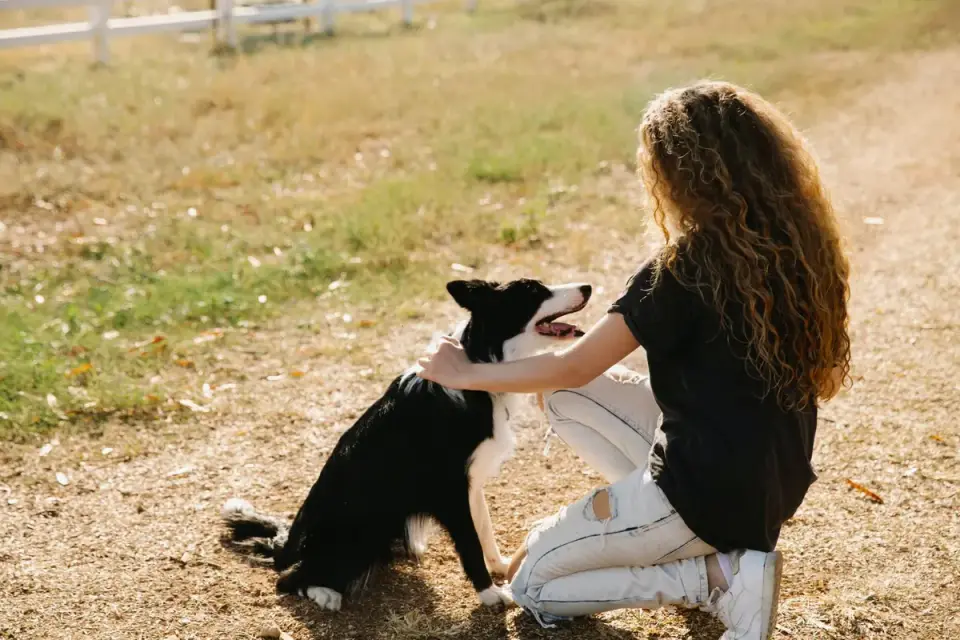
A same-day sequence you can repeat every week
Keep the order the same so your dog can predict what comes next. Work on a non-slip surface with treats nearby, and stop while you are still successful.
Start with hands before tools. Pet against the lay of the coat for ten seconds, then smooth it back down while you feel for scabs, bumps, flea dirt, or tender spots. Follow with two to three minutes of rubber curry in circles, then a bristle brush or hound mitt with the lay of hair to pull away what you loosened. This supports normal shedding control and gives you a baseline for what is typical for your dog.
Check nails, paws, ears, and teeth next. Look between toes for redness or debris, glance under the tail, and lift ear flaps to check for odor or heavy wax. VCA Animal Hospitals outlines this kind of regular coat, nail, and ear review as part of routine dog care, and I find that pairing it with brushing keeps owners from forgetting feet until nails overgrow. Trim a small amount often rather than a lot rarely, and keep styptic powder within reach.
An edge case changed how I talk about winter. A four-year-old, 18-pound Miniature Pinscher who lived in a drafty rental started shivering after evening brush-and-wipe sessions on the cold bathroom tile. His owner worried the routine itself was stressing him. We moved the same five-minute sequence to a carpeted bedroom right after a short indoor play session, added a fleece blanket on the lap, and by three weeks in he was leaning into the curry instead of tucking his tail. For more on cold sensitivity, see Keeping a Short-Coat Small Breed Warm Indoors. If handling ever escalates to snapping or panic, pause and read At-Home Grooming vs a Professional Groomer: How to Actually Decide.
Single short sessions beat occasional overhauls, and structure helps the dog relax into normal care. What would change if you treated grooming as a weekly health check instead of a cleanup chore?
Sources
- Grooming and Coat Care for Your Dog — VCA Animal Hospitals