On this page
Wrinkles trap what you can’t see, and that is why a grooming routine for a dog with folded skin has to focus on dryness more than cleanliness. The coat can look brushed and shiny while the valleys between folds stay warm, damp, and quietly irritated underneath.
In day-to-day practice I see this most in 4-year-old Bulldogs and 6-year-old Pugs who come in for routine visits, not skin visits. The owner is brushing, bathing every couple weeks, doing everything right for a normal coat. Then we lift a facial fold or tail pocket and find redness, a sour odor, and damp debris. By day 10 after a bath without fold checks, that moisture has had plenty of time to soften the skin. It supports normal barrier function to keep those folds clean and thoroughly dry, and it may help maintain comfort to check them on a schedule rather than waiting for scratching or smell.
The failed shortcut I hear about often involves a 3-year-old, 52-pound Bulldog whose owner tried to solve the odor with more frequent full baths, three weeks in a row of weekly bathing. The dog smelled better for a day, then worse. The problem was never the back or sides, it was two deep facial folds that stayed damp for hours after each bath because water wicked in and the towel never quite reached the base. More water without a drying step just reset the cycle. That tradeoff is common: what helps the general coat can work against folded skin if the folds stay wet.
Why folds stay damp even when the coat looks clean
Folded skin creates its own microclimate. Skin touches skin, airflow drops, and tears, saliva, sweat, and crumbs collect where a brush never reaches. According to VCA Hospitals, that trapped moisture can lead to skin-fold dermatitis, with redness, odor, and discharge in lip folds, facial folds, vulvar folds, and tail folds.
This is the surprising limitation: you cannot brush or bathe your way out of it. A full bath cleans the outer coat, but it also adds water to the exact places that need to stay dry.
Friction matters too. Every time the dog walks, blinks, pants, or wags a screw tail, the folded surfaces rub. The Merck Veterinary Manual describes how damaged skin barriers are more vulnerable to secondary bacterial overgrowth, which is why intact but soggy folds can turn quickly from pink to sore.
Dry is not a one-time state. It is something you have to re-create daily.
Forget that more soaking keeps wrinkles healthier
The myth I still hear is that wrinkled dogs just need weekly baths and baby wipes to stay fresh. In practice, constant wiping with fragranced or drying products and frequent shampooing can leave residue and moisture behind.
Plain water and a soft cloth are often enough for daily debris, and thorough drying afterward matters more than the cleanser itself. For product choice, the same pH and residue concerns we discuss for full baths apply, which is why I usually point owners to my notes on Can You Use Human Shampoo on a Dog? What Actually Happens to Their Skin before they improvise with bathroom products.
Short-haired, wrinkled breeds add to the confusion. Owners assume a Pug or Bulldog needs almost no grooming. I explain it the way I do in Do Short-Haired Dogs Still Need Grooming? — less coat does not mean less skin care.
You are not trying to sterilize the fold.
A daily and weekly routine that actually holds
Think lift, wipe, dry, look. That sequence supports clean skin without overdoing it, and most dogs learn it faster than a long grooming session.
Daily, pick one calm moment, usually after the evening walk. Lift each fold gently with a fingertip, never pulling. Wipe visible debris from the valley with a soft damp cloth or plain unscented pet wipe, moving outward, not scrubbing back and forth. Then pat — do not rub — with a dry soft cloth or gauze until no dampness remains. A second dry pass is what most people skip.
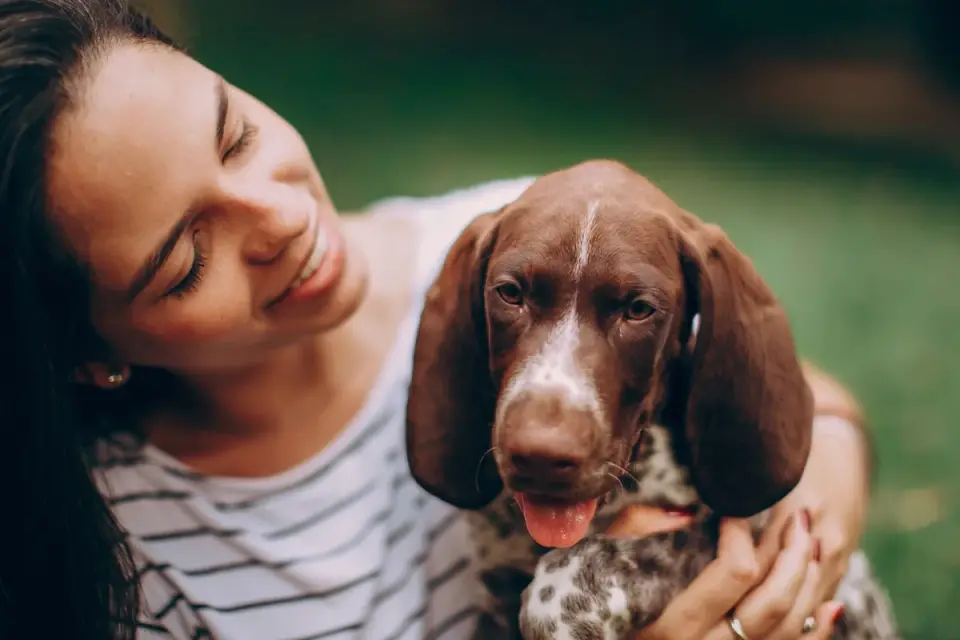
Weekly, do a slower check in good light. Work front to back: eyes and nose folds, lips, neck, tail pocket, and vulvar or preputial folds where present. Look for redness that does not fade, sticky yellow-green discharge, bleeding, swelling, or a sharp change in odor. Trim stained hair only at the fold edge if it holds moisture, using blunt-tipped scissors parallel to skin, or leave this for a groomer if your dog moves a lot. Guidance on deciding that boundary is in At-Home Grooming vs a Professional Groomer: How to Actually Decide.
Bathe only as needed for the whole body with a mild dog-formulated shampoo, rinse fully, then dry folds first before the rest of the coat. The American Kennel Club similarly emphasizes cleaning wrinkles regularly and drying them completely to limit irritation.
Keep treats small and the session short. Fear-free handling supports cooperation far better than restraint.
The edge case that changes the plan is the dog who looks perfect on top. I think of a 7-year-old, 23-pound Pug seen for a dental recheck whose facial folds looked dry at a glance. Lifting the tail pocket told a different story by day 14 without checks — matted hair, trapped stool flecks, and raw skin underneath, with no scooting or smell the owner had noticed. Screw tails and corkscrew tails hide debris exceptionally well, so for those dogs I treat the tail pocket as a separate daily task, not an occasional extra. Where the evidence is thin is on powders, pastes, and barrier balms marketed for folds; some owners find they help maintain dryness, but they can also cake and trap moisture, so I keep the routine simple until a veterinarian advises otherwise.
When to pause grooming and call your vet
Stop home cleaning and call if you see open sores, bleeding, swelling that narrows the fold, green-yellow pus, sudden pain when touched, or odor with itching that persists past two to three days of gentle care. Those signs point beyond routine maintenance.
Bring notes on when it started, which folds are involved, what you used, and how often. That timeline helps your vet sort irritation from infection or allergies, and honest prevention now saves a harder treatment later.
Frequently asked questions
How often should I clean my dog's skin folds?
For most wrinkled dogs, a quick lift-wipe-dry check once daily with a slower visual check weekly supports clean skin. Adjust with your veterinarian if folds are deep, infected, or under treatment.
Can I use baby wipes or human shampoo on folds?
Stick with a soft damp cloth or plain unscented pet wipes for daily care and a mild dog-formulated shampoo for baths, then dry completely. Human products can irritate folded skin and leave residue.
What are signs a fold needs veterinary care rather than grooming?
Open sores, swelling, bleeding, yellow-green discharge, pain, or odor and redness lasting more than two to three days despite gentle care warrant a veterinary exam.
Sources
- Pyoderma in Dogs and Cats — Merck Veterinary Manual