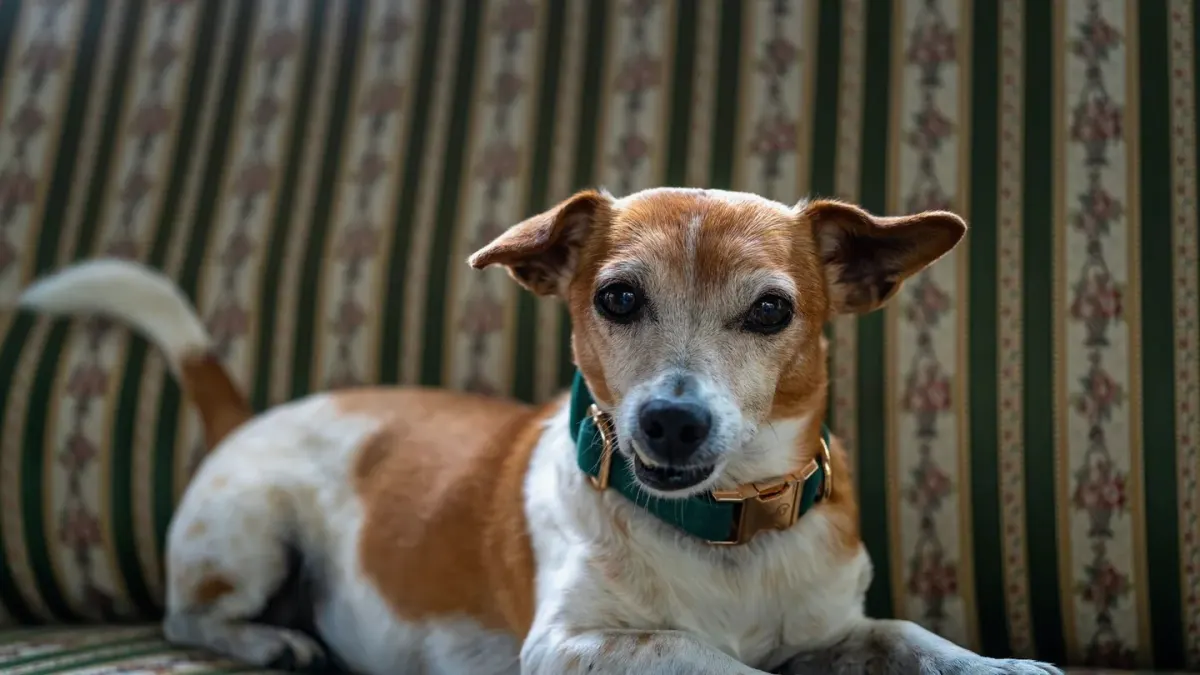
Fumbling for a soggy treat while your dog breaks a stay is stressful for both of you, and comfort matters as much as convenience when learning is new.
A pocket-safe setup that works the same day:
- Match treat texture to pouch lining — dry and pea-sized for fabric, moist only in a wipeable silicone insert
- Pack only what you need for one outing, usually 20–30 small rewards
- Keep meat, cheese, and leftovers cold and time-limited, not pocket-warm all afternoon
- Wash the pouch insert daily and let it dry fully to limit odor and bacteria
- Keep your rate of reward high and your treat size tiny, so training stays kind to the stomach
This is outside hospice care, my usual lane, so I am speaking here as a veterinarian focused on everyday comfort and safe handling, not as a certified trainer.
The pocket problem no pouch can solve alone
Pockets trap warmth and moisture. That combination softens crunchy biscuits into crumbs, melts soft chews into a paste, and lets fresh foods like chicken or cheese sit too long at unsafe temperatures.
The U.S. Food and Drug Administration reminds owners to handle pet foods with the same care as human foods: wash hands, avoid cross-contamination, and discard uneaten perishable food left out. Pouches do not change that biology.
Nicole learned this with Dagny, her 6-year-old Miniature Schnauzer in Carlsbad, California. Dagny would sniff and turn away after about 25 minutes of training when the pouch held warm cheese cubes, but stayed engaged when Nicole switched to dry pea-sized kibble rewards for walks and saved fresh foods for at-home sessions.
Comfort shapes learning.
The myth that any sealed pouch keeps treats fresh all day
A drawstring or zip top keeps treats from falling out. It does not keep them cool, dry, or fresh for hours.
Soft commercial treats weep oil in heat. Freeze-dried meat reabsorbs humidity and turns sticky. Raw or cooked meat, eggs, and dairy can support bacterial growth when held at pocket temperature for more than a couple of hours, even if no one sees a change. When in doubt, treat perishables like picnic food.
The American Veterinary Medical Association makes a similar point about pet food safety: store foods as labeled, refrigerate perishables promptly, and throw out what has been left out too long.
A same-day sequence for pocket-safe storage
Start with the dog in front of you. Puppies and seniors often do better with tiny, soft rewards they can swallow quickly, while many healthy adults work well for their own kibble. If you are setting up basics, New to Dog Care? Start Here With the Everyday Basics reviews how food, rest, and routine fit together.
1. Sort by moisture. Put low-moisture kibble, small biscuit pieces, or commercial training treats directly in a clean fabric pouch. Put anything moist — soft chews, hot-dog bits, cheese, cooked chicken — in a removable silicone insert or small zip bag inside the pouch.
2. Size them down. Break or cut rewards to lentil or pea size. Small rewards may help support steady motivation without overfilling a small stomach, and they keep your delivery fast.
3. Portion for the outing. Fill for one walk or class, not the whole day. Bring extra in a separate cool bag if you need a refill, especially in summer.
4. Mind time and temperature. Use fresh meat or cheese only for short sessions under two hours, and refrigerate leftovers promptly. For longer outings, stick with shelf-stable options.
5. Clean it like a food bowl. Empty crumbs, wipe or wash the insert with hot soapy water, and air-dry completely. A sour smell means bacteria and oils have built up, not that your dog is being picky.
If you train where food and guests mix, the same containment habit helps. How to Keep a Dog Safe and Calm During a House Party shows how a pouch plus a mat or crate spot can keep rewards away from counters and curious noses.
Where does that leave the alternative? A loose pocketful of cheese works beautifully for a quick, high-value lure at home.
It simply stops winning once heat, time, and lint enter the picture.
What would change if you packed for comfort first, and convenience second?
Frequently asked questions
Can I carry raw meat or cheese in a training pouch?
For short sessions only, in a wipeable insert or sealed inner bag, and refrigerate leftovers promptly. For longer walks, choose low-moisture commercial treats or kibble to reduce spoilage risk.
How many treats should I pack for a walk?
Most owners do well with 20 to 30 pea-sized rewards for a 20 to 30 minute outing, with extra kept separately. Tiny size keeps motivation steady without overfeeding.
How do I keep a pouch from getting sticky or smelly?
Empty crumbs after each use, wash removable inserts with hot soapy water, air-dry fully, and launder fabric pouches as labeled. Replace a pouch that stays sour after washing.
Sources
- Tips for Safe Handling of Pet Food and Treats — U.S. Food and Drug Administration
- Pet Food Safety — American Veterinary Medical Association