On this page
Your dog doesn’t need more miles to start trail running — he needs a body that can recover from the first easy mile.
That’s the surprising limitation I see as a sports-medicine and nutrition vet. Most healthy adult dogs can trot happily for ten minutes. What they can’t do on day one is handle hills, heat, uneven footing, and repeated pounding without sore muscles, torn pads, or a gut that quits. If you build diet, mobility, and recovery first, the miles come easy.
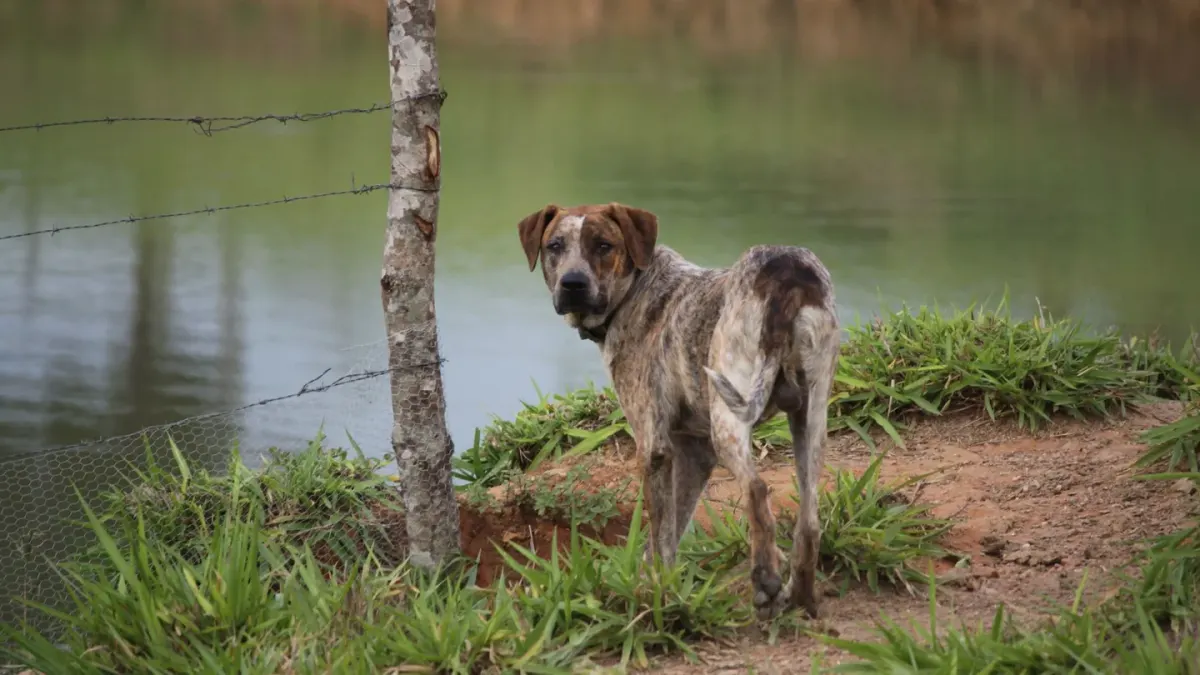
The 2-year-old 48-pound cattle-dog mix I’m picturing came in bouncing, lean, fed a complete adult diet, owner eager to do weekend singletrack. We mapped a flat 1.5-mile fire-road loop for his first outing, with walk breaks every half-mile and water every 15 minutes. He panted hard at the climb, then settled — breathing back under 40 breaths per minute within 5 minutes of stopping, pads intact, tail up. That 5-minute recovery, not his enthusiasm on the climb, told us he was ready to progress. The decision wasn’t “can he run,” it was “can he bounce back by dinner.”
The limit isn’t lungs — it’s legs, pads, and heat
Trail running looks like cardio. For dogs, it’s mostly orthopedic and thermal stress.
Dogs cool almost entirely by panting, and a working dog on a warm climb can overheat fast even when you feel fine in shorts. The American Veterinary Medical Association reminds owners that heat, humidity, and lack of shade change the safety equation quickly, which is why I’d rather you run early, carry water for both of you, and quit while your dog still wants more.
Feet matter just as much. Dirt looks soft until it’s rocky, muddy, or littered with foxtails. Nails that are too long change breakover and torque the toes on descents. Young, giant-breed, brachycephalic, and arthritic dogs have a lower ceiling — learn more about who tends to thrive in Which Breeds Make the Best Running Partners.
You’re fit enough to keep going long before he is.
Myth: a tired dog is a well-run dog
A lot of owners tell me the goal is to “tire him out.” On trails, exhaustion is a poor report card.
A dog who’s still pulling at mile four can be dehydrated, foot-sore, or running on adrenaline. Normal dog behavior after a good starter run is thirsty but willing to drink, panting that resolves at home, and a dog who naps then wakes up loose and hungry. Stiffness the next morning, skipping meals, lagging behind, excessive licking of a foot, or diarrhea mean you overshot — not that he needs to toughen up.
This is where my nutrition bias shows. I’m decisive about this: feed a complete, balanced diet first, condition the body second, and view supplements as may-help-support for mobility and recovery, not mileage makers.
A balanced food therapy base does more for diet and recovery than any powder. Omega-3s from fish oil may help support normal inflammatory balance and joint comfort as training load rises, a point well summarized in the National Institutes of Health Office of Dietary Supplements review of EPA and DHA. Joint chews with glucosamine, chondroitin, or undenatured collagen may help support cartilage and mobility in active dogs, but only if they come from a quality maker — look for the quality seal program described by the National Animal Supplement Council.
A skeptical friend would ask, “So should I just buy the joint chew and run?” I’d say no. If the diet is incomplete, the dog is overweight, or you jump from couch to 5 miles, no supplement realistically rescues diet, mobility, or recovery. Get weight lean, miles gradual, rest real — then a well-made supplement has something to support.

Reality: what actually predicts a good trail dog
Age, airway, weight, and manners beat breed hype.
Most dogs shouldn’t do sustained running until growth plates close — often 12 to 18 months depending on size, with giant breeds later. Ask your vet to confirm. Brachycephalic dogs, dogs with collapsing trachea, laryngeal issues, heart disease, or prior cruciate injury need an individual plan. Overweight dogs need a walking and food plan first; every extra pound multiplies joint load on downhills.
Manners are safety gear. Your dog needs a solid recall, a “leave it,” and comfort passing hikers, bikes, horses, and other dogs on a short leash. If you like running attached at the waist, read Canicross: Running Connected to Your Dog before you buy a bungee — the harness fit and cues matter more than speed.
Gear stays simple: flat collar with ID plus a well-fit Y-harness, 6-foot non-retractable leash, water and collapsible bowl, poop bags, and a light first-aid kit. Booties are optional training tools, not requirements.
A failed start that teaches the right pace
Picture a lanky adolescent retriever, all elbows at 10 months old, owner proud of his own marathon base. They tried to make him a partner in four outings over two weeks, jumping from a neighborhood jog to a rocky 5-mile loop with 600 feet of climbing. By outing number four he lagged on the return, lay down in a creek, and woke up stiff, reluctant to jump into the car the next morning.
That tradeoff is classic. The owner’s fitness allowed more; the puppy’s tendons, pads, and heat tolerance did not. We reset to walks plus 1-minute trot intervals on soft footing, nail trim, weight check, and no sustained runs until his vet cleared growth. Within three weeks his post-exercise soreness score — owner-rated 4 out of 5 that bad Monday — was back to 0 out of 5 after short sessions. The failed approach wasn’t lack of toughness. It was adult miles on a puppy body.
A same-day sequence you can do today
You can test readiness without running at all.
Start with a 20-minute brisk walk on varied footing. Every five minutes, add a 1-minute easy trot, then drop back to a walk. Watch breathing, gait, and brain. You want rhythmic panting, even stride, and a dog who checks in with you. Stop if panting turns roary, the tongue widens like a spatula, gums look tacky, or he starts to cut corners and drag.
Then do the home check. Offer water and half his normal post-exercise meal within an hour. Pads should be warm but not raw. He should drink, settle, then be willing to play later.
Progress like this over 3 to 4 weeks:
- Weeks 1–2: 2–3 sessions per week, 20–30 minutes total, mostly walking with 4–6 one-minute trots on flat dirt.
- Weeks 3–4: if recovery is clean, extend to 2–3 miles with walk breaks on gentle rollers.
- After that: add either distance or hills, never both in the same week, and keep one easy week in four.
Feed for the work. Keep meals balanced and on schedule, avoid a big meal within 90 minutes before a run, and bring water rather than extra treats on the trail. For multi-hour days in cool weather, a small, familiar snack at the halfway rest can help maintain energy without upsetting the stomach.
When the usual advice has to bend
Not every dog gets the standard progression. I’m thinking of a stocky 8-year-old 68-pound bully mix with a snorty airway and creaky mornings, living for cool-weather woods walks with his owner. The textbook says “run early, go farther.” For him we bent it: outings capped at 45 minutes on a shaded rail-trail, trot intervals skipped entirely on days above 70°F, and by November 12 he’d strung together 10 easy outings with no next-day stiffness.
What the owner did differently was to track what changed. Weight dropped from 72 to 68 pounds on measured meals, morning rise time shortened from 3 minutes of shuffling to under 30 seconds, and recall off deer scent improved with a long line. No summit, no personal record — just a stout older dog who could hike briskly, cool quickly, and eat well that night. That’s trail fitness for that body.
Cold snaps and summer call for their own tweaks — see Cold-Weather Activities to Keep Your Dog Active before you push winter miles.
Call your vet promptly for collapse, pale or brick-red gums, vomiting or diarrhea with lethargy, non-weight-bearing lameness, a pad slice that won’t stop bleeding, or heat signs that don’t resolve within 10 minutes of shade and water. Soreness that lasts beyond 24 hours deserves an exam, not another run.
Start short, feed well, and let recovery call the next outing. The trail will still be there next week.
Frequently asked questions
How old should a dog be before trail running?
Most dogs should stick to walks and short trot intervals until growth plates close, often 12 to 18 months depending on size. Ask your vet to confirm timing for your dog.
How far should our first trail runs be?
Start with 20 to 30 minutes mixing walking and 1-minute trots on flat dirt, roughly 1 to 2 miles total. Add distance or hills slowly only if next-day recovery is clean.
Do trail dogs need joint supplements?
A complete diet, lean weight, and gradual conditioning matter most. A quality joint or omega-3 product may help support mobility and recovery, but it can't replace training or weight control.
Sources
- Warm-Weather Pet Safety — American Veterinary Medical Association
- Omega-3 Fatty Acids Fact Sheet — National Institutes of Health Office of Dietary Supplements
- Quality Seal Program — National Animal Supplement Council