On this page
Here’s the limitation nobody wants to hear: you cannot stop a healthy dog from shedding. Shedding is a normal, hormone-driven process, not a defect to be engineered away. What you can do is shrink the volume of hair that ends up on your couch and shorten how long the heaviest shedding weeks last. That’s a more modest promise than most shedding articles make, but it’s the honest one.
In my practice, I see this play out every spring with almost comic regularity. A Siberian Husky named Koda, seven years old and about 55 pounds, comes in every April because his owner swears something is “wrong” — tufts of undercoat pulling loose in handfuls, drifts of it collecting along the baseboards of her kitchen. Nothing is wrong. Koda is blowing his winter coat, a process built into double-coated breeds that can look alarming in week one and taper by week three. What changes the experience for his owner isn’t a supplement or a shampoo — it’s a 10-minute undercoat rake session every other day during that window, done on the back porch instead of the living room. The hair still comes out. It just doesn’t end up on her clothes.
Myth: Shaving a Double-Coated Dog Stops the Shedding
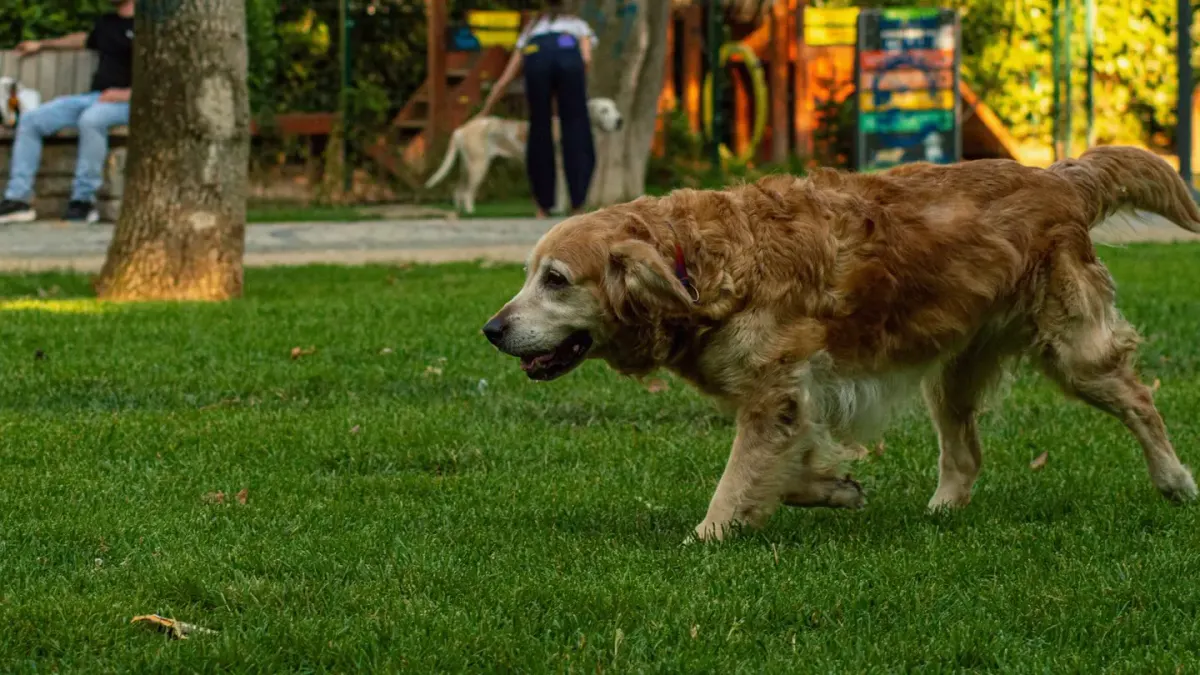
This is one of the most persistent misunderstandings I run into. Owners of Huskies, Golden Retrievers, and German Shepherds often assume that if the coat is shorter, less hair will fall out. In practice, shaving a double coat doesn’t reduce shedding volume — it just makes the individual hairs shorter and, worse, can damage the guard hairs that regulate temperature and block UV exposure. The undercoat still cycles in and out; you’ve just removed the coat’s ability to insulate against heat and cold while it does. For most double-coated breeds, the better move is thorough brushing, not a clipper.
Reality: Brushing Frequency Matters More Than Brush Brand
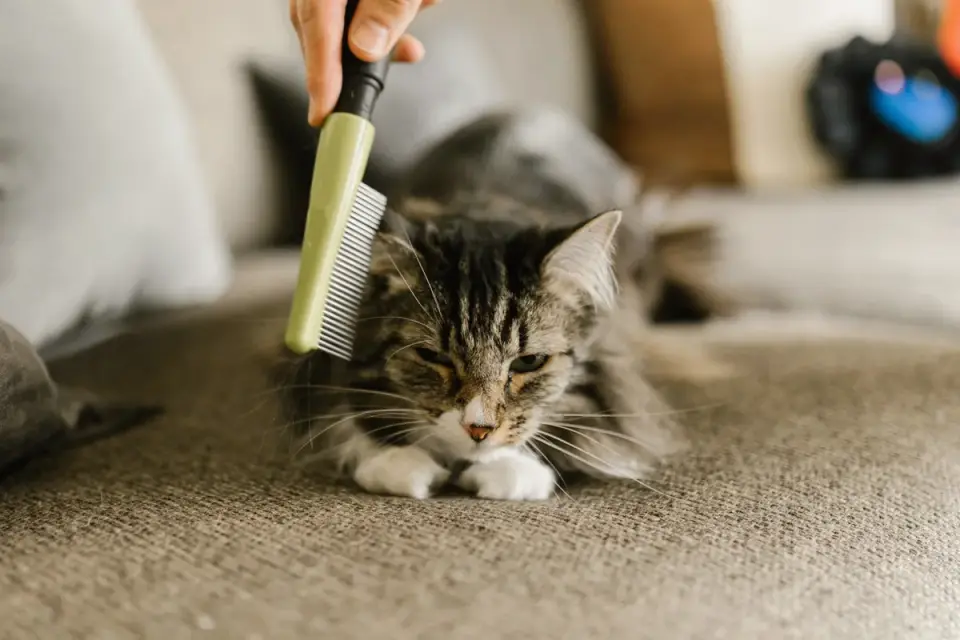
The single highest-leverage habit is a consistent brushing schedule matched to coat type. According to AKC Pet Insurance, some dogs need daily brushing while others do fine with a once-a-month session, and the technique should follow the coat — short-haired dogs benefit from a brush against the grain first, then with it, to lift and remove dead hair in two passes. Slicker brushes work well for removing mats and loose surface hair; a dematting rake is more useful for the dense undercoat that comes loose during a seasonal “blow.” Bathing on a schedule matters too — regular baths followed by a thorough brush-out while the coat is still slightly damp pull out far more loose fur than brushing a bone-dry coat ever will.
Reality: Diet Can Move the Needle, But It’s Not a Cure
This is where I want to be honest about where the evidence is thin and where it’s actually solid. Omega-3 fatty acids are one of the better-supported dietary interventions for coat quality — not because they stop shedding outright, but because they support skin barrier function, which can reduce the dry, flaky, brittle-hair pattern that makes shedding look and feel worse than it is. A randomized, placebo-controlled trial published in Veterinary Dermatology evaluated an n-3 essential fatty acid supplement in dogs with poor-quality coats and found measurable changes in fatty acid concentrations in the hair shafts and skin surface alongside clinical improvement. Separately, a study in PMC looked at camelina, flaxseed, and canola oil supplementation in healthy adult dogs and measured effects on transepidermal water loss and coat quality markers — useful evidence that oil source and skin barrier function are genuinely linked, not just a marketing claim.
What I don’t tell owners is that fish oil will turn a heavy-shedding Labrador into a low-shedding one. It won’t. What omega-3s may help maintain is coat resilience and skin comfort, which indirectly makes the shedding your dog was always going to do look less dramatic on the sofa. If a dog’s coat is genuinely dry, dull, or flaky in addition to shedding heavily, that’s a conversation worth having with your veterinarian about whether a fatty acid supplement, a diet change, or both makes sense — not a reason to reach for whatever coat product is trending.
When Shedding Stops Being Normal
Seasonal shedding is predictable: it ramps up, peaks, and tapers over a few weeks, usually tied to daylight length and temperature shifts. What’s not normal is shedding that comes with bald patches, red or scabbed skin, a musty odor, constant scratching, or hair loss that doesn’t taper off after a month. Those patterns can point to flea allergy, food sensitivity, a thyroid or hormonal issue, or a skin infection — conditions that need a diagnosis, not a better brush. I’ve had owners spend months rotating through deshedding shampoos before bringing in a dog whose real issue was low thyroid function, easily confirmed with bloodwork and unrelated to grooming habits at all.
I worked with a nine-year-old spayed female Beagle named Daisy a few winters back, brought in because her owner noticed thinning fur along both flanks starting in November — not the typical shedding pattern, and not tied to a season change the way Koda’s was. The owner had already tried three different “anti-shedding” shampoos over six weeks with no change, which is exactly the kind of trial-and-error I try to steer people away from when the pattern doesn’t fit normal shedding. Bloodwork confirmed hypothyroidism, and once Daisy was on the right treatment plan, her coat density returned over the following few months. The lesson I keep coming back to: if brushing and diet aren’t touching it, or the pattern looks asymmetric or patchy rather than a general seasonal thinning, it’s time for an exam rather than another grooming product.
If you’re newer to dog ownership in general and still building your baseline routines, our guide on everyday basics is a reasonable place to start before you start troubleshooting coat issues in isolation. And because coat type also shapes how a dog handles water and cold, it’s worth understanding how body shape and coat interact more broadly — we cover that in our piece on natural swimming ability.
A Practical Sequence to Start This Week
- Identify your dog’s coat type and match the tool: slicker brush for short-to-medium coats, undercoat rake for double coats during seasonal shedding, wire-pin brush for curly or woolly coats.
- Set a brushing cadence and stick to it — daily during a seasonal blow, weekly to monthly for lower-shedding breeds.
- Bathe on a regular schedule and brush out the coat while it’s still slightly damp for better hair removal.
- Ask your veterinarian about an omega-3 supplement if the coat looks dry, dull, or flaky in addition to shedding heavily — it supports skin and coat condition, not a guaranteed reduction in shed volume.
- Watch for red flags — bald patches, scabs, odor, or shedding that doesn’t taper after several weeks — and book a vet visit rather than trying another shampoo.
My practical next step for most owners: start with the brush, not the bottle. A consistent, coat-matched brushing routine solves more shedding complaints in my experience than any supplement or shampoo does on its own — and it’s the one habit that also lets you spot skin problems early, before they turn into a bigger visit.
Frequently asked questions
Can any dog food stop shedding completely?
No. Shedding is a normal biological process, so no diet stops it entirely. A diet with adequate omega-3 fatty acids may help maintain skin and coat condition, which can make shedding look less severe, but it will not eliminate a healthy dog's natural coat cycle.
How often should I brush a heavy-shedding dog?
It depends on coat type and season. Double-coated breeds often need daily brushing during a seasonal "blow," while short-haired or low-shedding breeds may only need weekly to monthly sessions, per guidance from [AKC Pet Insurance](https://www.akcpetinsurance.com/blog/6-tips-to-control-dog-shedding).
Is it ever a good idea to shave a double-coated dog to reduce shedding?
Generally no. Shaving a double coat doesn't reduce the amount of hair the dog will shed and can damage the guard hairs that regulate temperature. Brushing and a proper deshedding tool are usually the better approach for double-coated breeds.
Sources
- 6 Tips to Control Dog Shedding — AKC Pet Insurance
- A prospective, randomized, double blind, placebo-controlled evaluation of the effects of an n-3 essential fatty acids supplement on clinical signs, and fatty acid concentrations in the erythrocyte membrane, hair shafts and skin surface of dogs with poor quality coats — Veterinary Dermatology
- Effects of dietary camelina, flaxseed, and canola oil supplementation on inflammatory and oxidative markers, transepidermal water loss, and coat quality in healthy adult dogs — PMC