On this page
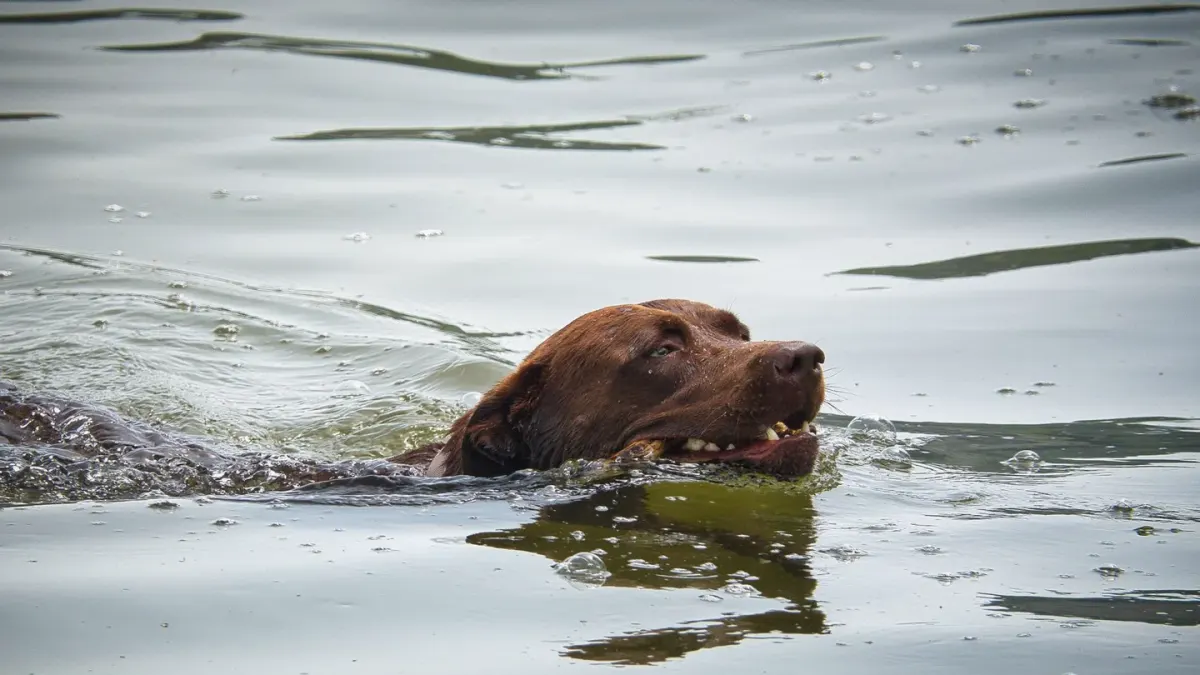
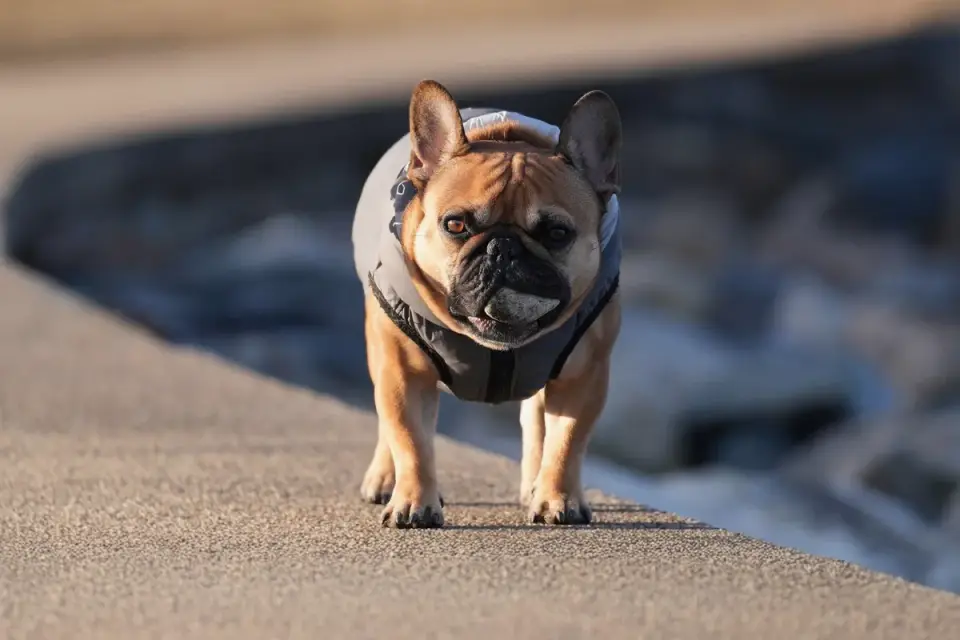
Imagine a stout, barrel-chested bulldog trotting toward a lake with the same confidence as the Labrador beside him, tail already going. The Lab wades in and starts paddling without a second thought. The bulldog gets to knee-deep water, front feet churning, back end sinking, head tipping back just to keep his nose above the surface. He isn’t scared. He’s built wrong for this particular job, and that’s the piece owners tend to miss: enthusiasm and ability are two different things in the water.
Checklist: Is Your Dog Actually Built to Swim?
- Muzzle length — short, flat faces make it harder to keep the nose clear and breathe rhythmically while paddling.
- Chest and body depth — deep, narrow chests float; broad, dense, barrel-shaped bodies tend to roll or tip.
- Leg length and proportion — long bodies on short legs (think dachshund-type builds) fatigue fast and generate little forward thrust.
- Coat and body fat — a double coat or a bit of extra insulation helps with cold-water buoyancy and warmth; a lean, single-coated dog chills faster.
- Fitness and age — an out-of-shape, very young, or senior dog lacks the muscular endurance to paddle for long, regardless of breed.
- Prior water exposure — a dog that’s never been in more than an inch of rain puddle needs a slow introduction, not a dock jump.
Run through that list before assuming any dog will simply figure it out. Some will. Plenty won’t, and the ones that struggle are often the ones an owner was most sure would love it.
The Myth: “Dog Paddle” Is a Universal Instinct
The phrase itself does a lot of damage. It implies that paddling is hardwired the way a heartbeat is, present and functional in every dog from the first splash. In reality, the reflexive leg motion is close to universal, but the ability to stay afloat, breathe easily, and move forward efficiently while doing it is not. A dog can paddle furiously and still go under.
The Reality: Body Shape Decides More Than Desire
Brachycephalic breeds — English and French Bulldogs, Pugs, Boxers, and similar flat-faced dogs — carry a double disadvantage: a heavy, dense head that pulls the front end down, and a shortened airway that makes controlled breathing at the surface genuinely difficult. According to PetMD, these breeds along with long-bodied, short-legged dogs are among those that consistently struggle in the water, not from lack of trying but from proportions that fight buoyancy. Basset Hounds and Dachshunds fall into the same category for a different reason: their long spines and stubby legs simply don’t generate enough propulsion to keep pace with the effort they’re spending.
On the other end, retrievers, spaniels, and other water-bred dogs have deep chests, webbed or semi-webbed feet, and water-resistant double coats that were selected for exactly this task over generations. That’s a real structural advantage, not just temperament.
Building Water Confidence, Step by Step
- Start in still, shallow water where the dog can stand comfortably and back out on their own.
- Fit a well-sized life jacket with a top handle before the first real swim — Rover’s guidance is that even confident swimmers benefit from one in open water or unfamiliar conditions, and it’s close to essential for brachycephalic dogs, per Rover.
- Let the dog wade at their own pace; don’t carry or toss a hesitant dog into deep water to “get it over with.”
- Keep early sessions under five minutes and watch for labored breathing, panic paddling, or a dog trying to climb the nearest object, including you.
- End on a calm note and towel off promptly, especially in cool water, since chilled muscles are part of what sets up the next problem.
Owners who are brand new to structuring routines like this may find it useful to start with the fundamentals in our guide for New to Dog Care? Start Here With the Everyday Basics before layering in water activity.
Consider a mid-sized retriever mix, fit and experienced, who spends an unusually long afternoon fetching a ball from a pond. She swims hard for an hour, tail cutting through the water the whole time to help steer. By evening her tail hangs limp at the base, she won’t wag it, and sitting seems to bother her. Nothing is broken. This is the pattern of acute caudal myopathy, commonly called limber tail or swimmer’s tail, and it’s a soft-tissue overuse injury of the muscles dogs use to steer and wag, not a spinal emergency in most cases. The distinction matters because the response is rest and comfort, not panic.
Tail, Muscle, and Joint Strain After Swimming
Swimming works muscle groups a dog rarely uses for anything else, particularly through the tail base and lower back. The AKC describes swimmer’s tail as most common after unusually long or cold-water swims in working and sporting breeds, with signs — a flaccid, painful tail — typically showing up within a day of the activity. VCA Animal Hospitals notes that most dogs recover within one to two weeks with rest and, when needed, vet-directed pain control; forcing continued exercise or swimming during that window only prolongs it.
I’d rather owners plan for this recovery window than be caught off guard by it. That means genuinely resting the dog, not just skipping the next swim while still going on long runs. Where a joint or mobility supplement fits in is worth being honest about: it may help support a dog’s normal recovery and comfort between sessions, but it isn’t a treatment for an acute strain and it won’t let a dog skip the rest a sore tail or tired shoulders actually need. Weigh what a supplement can realistically do for diet, mobility, and recovery, and keep the expectations proportionate to the ingredient, not the marketing.
When to Call It a Day (or Call the Vet)
Stop a swim session immediately if a dog’s breathing becomes labored, if the back half sinks lower than the front, or if a dog that was paddling confidently suddenly seems to be working much harder for the same distance. A tail that stays limp beyond a couple of weeks, or pain that seems to spread beyond the tail, warrants an exam rather than a wait-and-see approach.
Next step: before the next warm-weather outing, walk through the checklist above with the specific dog in front of you — not the breed stereotype — and fit a life jacket if there’s any doubt.

Frequently asked questions
Can all dogs learn to swim with practice?
Most dogs can learn to tolerate water and move through it, but 'learning' doesn't override anatomy. A flat-faced or barrel-chested dog can be trained to stay calm in a pool with a life jacket, yet still tire or struggle to breathe faster than a longer-muzzled, leaner dog would.
Is it normal for a dog's tail to go limp after swimming?
A limp, painful tail after a swim session is a recognized condition, often called limber tail or swimmer's tail. It usually resolves within a couple of weeks with rest, but a vet visit is worth it to rule out other causes, according to VCA Animal Hospitals.
Do all dogs need a life jacket in water?
Every dog benefits from one on a first swim or in open water, and it's especially important for brachycephalic breeds, puppies, seniors, and dogs with joint or muscle limitations, per Rover's veterinary-reviewed guidance.
Sources
- Swimmer's Tail: What to Know — AKC
- Acute Caudal Myopathy (Limber Tail) — VCA Animal Hospitals
- Dog Breeds That Don't Like Water — PetMD
- Do All Dogs Need to Wear a Life Jacket When They Swim? — Rover