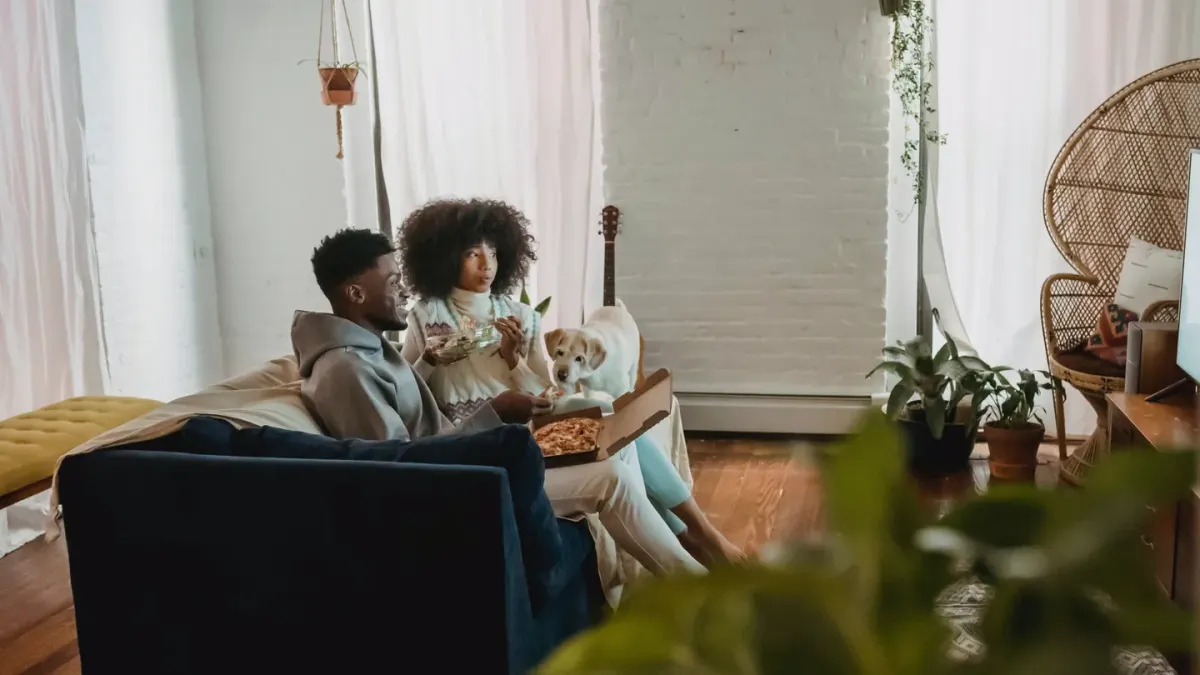
Most puppies do not need a full haircut at the first appointment — they need a successful introduction to being handled by someone new.
I see this mix-up in day-to-day practice all the time. Owners wait until the coat is tangled or the nails are clicking, then hope the groomer can do everything at once. That first visit works better as a short meet-and-greet with a bath, brush, nail touch, and dryer sound, which supports comfort for future visits.
Your same-day prep checklist:
- Confirm vaccines and age rules with your vet clinic and groomer
- Practice 30-second touches: paws, ears, muzzle, belly, tail
- Pair brushing and bathroom sounds with treats
- Take a 5-minute car ride and lobby practice earlier in the week
- Pack vaccine records, treats, a familiar chew, and your brush
- Book a puppy intro trim, not a full breed cut
In the opening weeks home, I worked through this with a family and their 14-week-old Cockapoo, 9 pounds, who froze when his paws were lifted. They had assumed he would just behave because he was sweet at home, and they were weighing whether to cancel after he nipped at the brush on day three. We changed the plan to three weeks of 30-second paw and ear touches paired with peanut butter licks, plus sitting in the salon parking lot twice, and by day 18 he would offer a paw and hold still for five seconds while his chin rested in a palm. That small, measurable change is what made the actual first groomer visit workable.
The limitation nobody mentions about that first appointment
A first visit cannot make up for zero handling at home. A groomer has 30 to 60 minutes, strange smells, barking dryers, and a wiggly puppy who has never stood on a non-slip table. If that is the first time paws are held or clippers buzz, the puppy learns that grooming equals surprise.
This is where the preventive evidence is thin and I want to be honest about it. We do not have strong trials showing one exact number of home sessions guarantees a calm groom. What we do have is consistent behavioral guidance that gradual exposure paired with food supports calmer responses over time, and my clinical pattern matches that. Short repetitions may help maintain trust because the puppy stays under threshold.
The myth worth retiring: he just needs to get it over with
The strongest counterargument I hear is to push through a long first groom so the puppy learns it is no big deal. I understand the logic, especially with fast-growing doodle and long-coated breeds where matting feels urgent.
I still land against flooding. A long restraint when a puppy is already lip-licking, yawning, or trying to climb off the table teaches avoidance, not acceptance. A short win that ends with treats builds the association we want for the next 12 to 15 years of grooming. If the coat is already tangled, ask the vet team or groomer for a comfort trim first, then restart training.
The middle failure I see most often involved a 5-month-old Shih Tzu, 11 pounds, booked for a two-hour full cut three weeks in after adoption. The owner skipped home brushing because the puppy snapped, hoping the professional could power through. By minute 40 the puppy was panting, drooling, and hiding his paws, and the groomer wisely stopped halfway with one side fluffy and one side flat. That uneven haircut felt embarrassing for two weeks, but it prevented a deeper fear memory, and we rebuilt with two-minute table stands at home paired with cheese.
A practical sequence from two weeks out to pickup day
Start with health and logistics. Most salons require age-appropriate vaccines, often including rabies and Bordetella depending on local rules, so check both your vet record and salon policy. The American Veterinary Medical Association outlines basic puppy preventive care that supports safe social outings, and the American Kennel Club describes what early grooming introduction usually includes.
Then follow this order:
Two weeks out, practice handling in your living room. Touch one paw for two seconds, treat, release. Lift an ear flap, treat. Run a soft brush down the back for three strokes, treat. Keep the whole session under two minutes. If you need bathing basics first, see How to Give a Puppy Its First Bath.
One week out, add sound and place. Run an electric toothbrush near (not on) the body while feeding treats. Play dryer noise low from your phone during meals. Practice standing on a bath mat for treats to mimic a grooming table. Still unsure how much to do yourself long term, read At-Home Grooming vs a Professional Groomer: How to Actually Decide.
The day before, brush out any tangles gently and trim the chaos around the house instead. A tired, unbrushed puppy is harder to groom safely, so use A Puppy-Proofing Checklist for Your First Week Home to make practice space calm.
Day of, walk briefly beforehand, bring a hungry puppy, and pack small soft treats, vaccine proof, and your usual brush. Tell the groomer what you practiced and what still worries your puppy.
An edge case worth planning for is the confident puppy who seems to need no prep. A 1-year-old Labrador mix, 52 pounds, came in as a classic example on day 10 after adoption — loose, wiggly, mouthy, and thrilled by people. He sailed through bath and brushing, then panicked at high-velocity dryer air on his face and scratched a handler. Bold temperament does not equal comfort with novel sensations. Even easy puppies benefit from one-minute dryer and face-handling rehearsals.
Keep pickup low-key. Expect mild tiredness. Check for any nicks, red ears, or lingering fear, and note what to practice before visit two.
Frequently asked questions
What age should a puppy go to the groomer first?
Many salons accept puppies after their early vaccine series, often around 12 to 16 weeks, but policies vary. Confirm vaccine and age rules with your vet and groomer, and start handling practice at home right away.
Should the first visit be a full haircut?
Usually no. Ask for a puppy intro or mini groom — bath, light brushing, nail touch, sanitary trim, and dryer exposure. A short positive visit supports easier full grooms later.
What if my puppy cries or tries to bite the brush?
Stop, shorten the session to a few seconds, and pair touches with treats. Tell your groomer where your puppy struggles so they can adjust handling and timing.
Sources
- Puppy Care — American Veterinary Medical Association