On this page
Last February I watched a neighbor start up a snowy ridge with a 4-year-old, 62-pound Labrador, a single flexi-leash, and a pocketful of good intentions. By the second stile the wind picked up, the trail turned to packed ice, and the Lab started lifting his front feet one at a time and looking back at her. She had a great coat for herself, water for herself, and nothing she could adjust for him — no spare leash, no paw wax, no extra calories, no way to shorten him up on the descent. They turned around early, cold and frustrated, and that decision made the day. Winter hills ask a dog to work harder for every step while losing heat faster, and most of what you bring is meant to buy back warmth, footing, and energy.
That is the surprising limitation: you cannot pack your way to fitness or cold tolerance. Gear may help support comfort and mobility on the day, but it does not replace conditioning, diet, and recovery. I weigh what a supplement can realistically do for diet, mobility, and recovery the same way I weigh a dog coat — as support around a sound base, not a fix for a gap in training. A well-fed, conditioned dog with trimmed nails and a practiced recall will get more from a basic kit than an unconditioned dog gets from premium equipment.
The myth: a tired dog is a warm dog
A lot of owners assume steady climbing keeps a dog warm enough to skip insulation, food, and foot care. In normal dog behavior, the opposite often happens. Dogs sprint, sniff, wade, then stand still while you check a map, and those stop-start cycles chill small, lean, very young, and senior dogs fast. Wet belly fur, wind on exposed skin, and ice balls between toes drain heat while muscles are still working hard.
The American Veterinary Medical Association reminds owners that cold tolerance varies widely and that shelter, dry bedding, and protection from wind and moisture matter more than a single temperature cutoff. I use that same logic on a hill: bring the ability to get your dog dry, out of the wind, and fueled again.
Shivering, hunching, slowing on climbs he handled easily, seeking your legs, or holding up a paw are early signs to act on. That overlaps with what I cover in Cold-Weather Activities to Keep Your Dog Active — exposure time often matters more than the thermometer.
What actually earns space in your pack
Think in systems, not items. For the dog: warmth, feet, fuel and water, control and visibility, and a small first-aid and repair kit. For you: the traction and navigation that keep you able to help him.
Warmth means a properly fitted insulated coat or sweater for lean, short-coated, small, and older dogs, plus a dry base layer to change into if he gets soaked. Feet mean paw wax applied before you start, booties he has practiced in at home, a microfiber towel, and small scissors or a pick for ice balls. Fuel means more of his normal food or training treats, not a novel rich meal, plus water and a collapsible bowl — dogs will not stay hydrated on snow alone. Control means a sturdy 6-foot leash, a backup slip lead, a well-fitted harness with a handle, a light or reflective vest, and ID. Carry a printed route, charged phone, headlamp, whistle, and your own microspikes; if you cannot stand up, you cannot manage him.
A same-day sequence that works on real hills
Start at home: feed the normal breakfast two to three hours before, trim nails, check pads for cracks, apply paw wax, and fit coat and harness so two fingers slide underneath. Walk five minutes on flat ground to warm up muscles and watch gait.
Climb in intervals. Hike 15 to 20 minutes, then pause to offer water, check feet, and look for ice buildup, limping, or lagging.
Feed small and often on longer days.
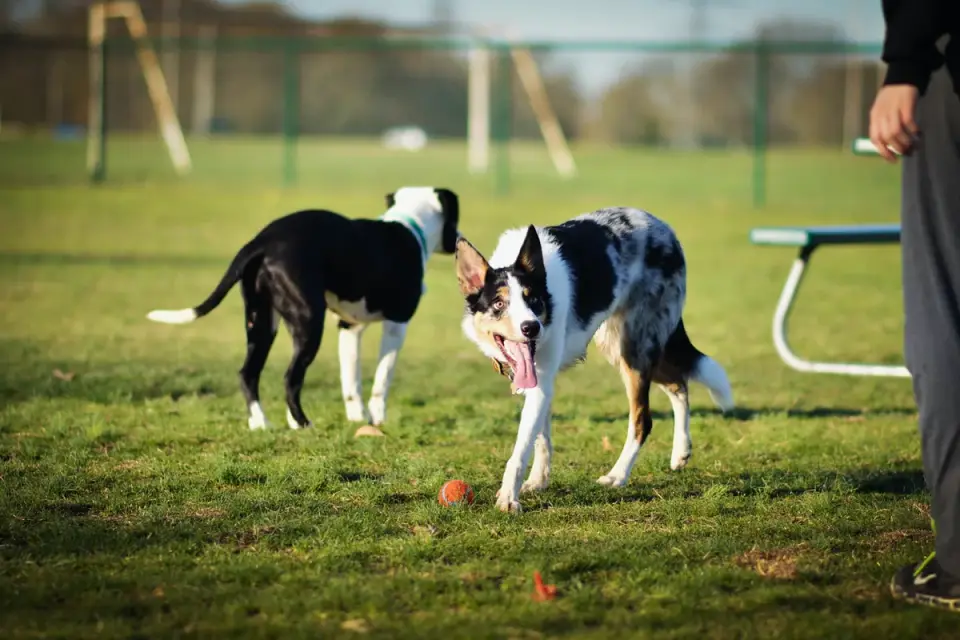
Three weeks in to a hillwalking routine, a client-type scenario I see often involves a 7-year-old, 48-pound Border Collie mix who loved summer trails but started balking at icy gates. Her owner first tried carrying her over stiles and feeding extra jerky at the summit, which backfired when the rich treats caused loose stool halfway down. What changed the pattern by day 10 was less interesting but more effective: a harness with a handle for lifts, a short leash for descents, wax plus two practice sessions in booties at home, and small frequent bites of her regular kibble plus water every 45 minutes. The owner stopped trying to power through and started turning into the wind for snack breaks behind a wall.
That tradeoff is worth naming. The strongest counterargument to my food-first approach is that joint and recovery supplements seem like an easy win for an active hill dog. Ground an integrative claim in the nutritional evidence and the picture narrows: omega-3s from fish oil and a balanced diet may help support normal joint function and recovery after exercise, but no chew compensates for excess weight, too-long descents, or repeated slipping. I still land on diet, body condition, and graded conditioning first, with targeted supplements discussed with your veterinarian as background support rather than hill-day magic.
Where winter hills get complicated
Livestock, sheer drops, frozen water, and fading light change the rules. Keep dogs on leash around sheep and cattle, give other walkers space, and practice the recall and settle you expect at home — the same leash manners I describe in Dog Park Etiquette Every Owner Should Know transfer directly to narrow paths. Avoid iced-over ponds and fast runoff; paws cut on ice can bleed a lot without looking deep at first.
VCA Animal Hospitals notes that frostbite tends to target ears, tail tips, and toes, with pale or gray skin and pain on warming as warning signs. If you see those, get out of wind, warm gradually with blankets and body heat rather than direct heat, and call your veterinarian for guidance rather than rubbing the area.
Late in the season I think about a 9-year-old, 34-pound spaniel who still pulled uphill like a youngster but paid for it that night with stiffness getting into the car. His owner had packed beautifully — coat, booties, water, first aid — yet missed the edge case: older athletes often need shorter climbs, a slower descent, and a warm recovery spot right after. For that dog the fix was a 30-minute shorter loop, a leash that kept him from bounding down scree, a dry coat swapped on at the trailhead, and dinner plus water within an hour of finishing. He kept hillwalking all winter, just on a senior schedule.
Carry an emergency plan for the dog you have, not the dog you wish you had. Know how you would carry him out, where the nearest road access is, and when to quit. Turning back is good handling.
Frequently asked questions
Does my dog need a coat for winter hillwalking?
Many do. Lean, short-coated, small, very young, and senior dogs chill quickly when you stop to navigate or when wind and wet fur combine. Bring a fitted insulated layer and swap to something dry if he gets soaked.
How much extra food and water should I bring?
Bring water and a bowl plus small amounts of his regular food or treats for outings over 1-2 hours. Offer small frequent snacks rather than one large novel meal, which can upset the stomach on exertion.
Are booties or paw wax better?
Wax helps repel moisture and grit for many dogs, while booties add insulation and protection on ice and rough ground. Practice booties at home first, and always carry a towel and a way to clear ice balls between toes.
Sources
- Cold-Weather Animal Safety — American Veterinary Medical Association
- Frostbite in Dogs — VCA Animal Hospitals