
On this page
Watch how your dog picks up food, chews, and rests the mouth. That daily picture matters more than the shape of the jaw.
Many short-muzzled breeds grow up with a lower jaw that sits ahead of the upper jaw. Breed standards often describe this as normal for Bulldogs, Pugs, Shih Tzus, and similar dogs. The look can be charming, but the job for owners stays the same: check comfort, eating, and mouth health.
What a photo cannot tell you
A photo shows tooth position. It does not show pressure, rubbing, or pain.
A mild underbite with even wear and relaxed chewing is often simply monitored with routine dental care. A bite that traps a tooth against gum, wears one tooth fast, or makes a dog drop food deserves a closer look. That distinction is why vets classify bite alignment separately from dental health, as described by AVDC.
In day-to-day practice, comfort leaves clues. Look for drooling on one side, pawing at the face, slow chewing, turning the head to chew on one side, bleeding gums, bad breath that changes suddenly, or a reluctance to pick up toys.
Puppies deserve extra attention during tooth change. Baby teeth that linger beside adult teeth can push alignment off course. If you are setting up for a new puppy, pair mouth checks with the basics in A Puppy-Proofing Checklist for Your First Week Home.
The myth that an underbite always needs fixing
Many owners worry that every underbite will cause pain or needs braces or tooth removal.
In reality, treatment follows function, not appearance. Veterinary dental guidelines support intervention when malocclusion causes trauma, pain, or trouble eating, and support monitoring and prevention when it does not. The American Veterinary Medical Association outlines how dental disorders in dogs are judged by injury and function, which helps explain why two dogs with similar-looking jaws can get different plans.
This is where prevention does steady work. Daily toothbrushing supports healthy gums around crowded lower incisors. Appropriate chew size may help maintain normal chewing motion without jamming teeth. The evidence for any chew preventing malocclusion itself is thin, and no chew reshapes bone once growth is done.
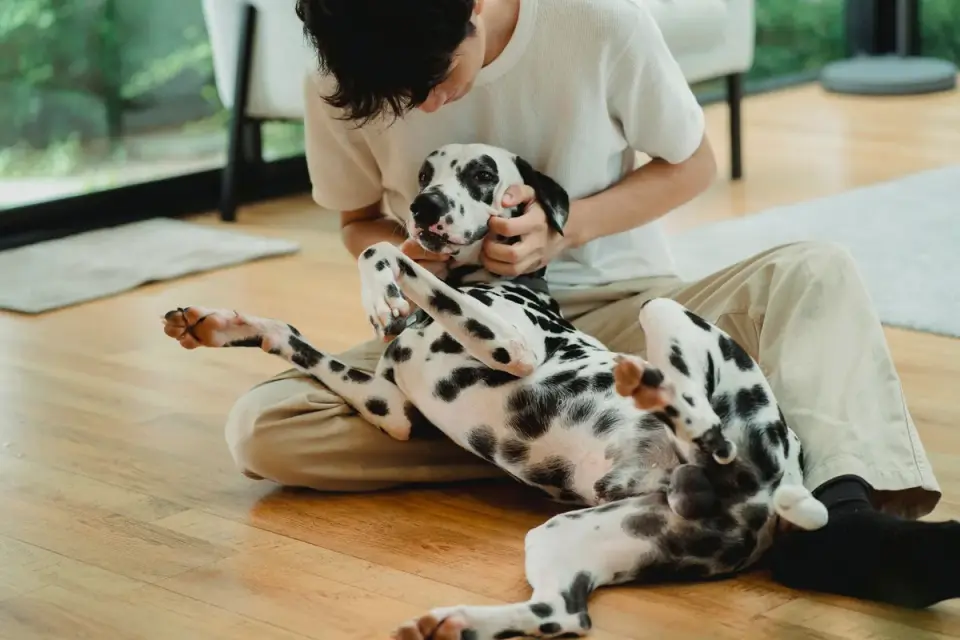
A same-day comfort and eating check
Do this sequence once calmly, then repeat weekly. Stop and call your vet if your dog yelps, pulls away, or bleeds.
- Watch a meal. Offer kibble or small soft pieces. Note dropping food, chewing on one side, or long pauses.
- Watch a chew. Offer a right-sized chew for 2 minutes. Note head tilting, gagging, or avoiding hard textures.
- Lift the lips. With good light, look at the front teeth and canines. Note red lines along gums, sores where a tooth lands, tartar, or a loose tooth.
- Check play. Offer a soft toy. Note reluctance to tug, whining, or carrying toys oddly.
- Smell and record. Note new bad breath, drool with blood, or face swelling. Snap one clear front-view photo for your records.
Keep sessions short and reward calm behavior. For a newly adopted dog that is still settling in, do mouth checks inside A Decompression Room for a Newly Adopted Rescue so the dog can rest between handling moments.
Good home structure supports the mouth. Use a flat-bottomed bowl that does not force the chin forward. Soak kibble briefly if chewing looks effortful. Trim long facial hair that traps food around the lips. Brush daily with dog toothpaste, focusing where lower teeth meet the upper gum.
Vets often see owners worry most at night when chewing sounds loud. Loud crunching alone is normal dog behavior. Pair your observations with a steady routine like A First-Week Night Routine for a New Puppy so you judge eating when the dog is rested, not overtired.
Where this advice would be the wrong call
My position is simple: judge the underbite by comfort and eating, and maintain routine prevention when both look good.
That advice stops working when there are red flags. Call your vet promptly for a tooth digging into gum or palate, a jaw injury or sudden shift in bite, a puppy with retained baby teeth past 6 months, facial swelling, bleeding that does not stop, or weight loss from poor eating.
Specialty dental care may include filing a sharp point, adjusting a problem tooth, or removing a tooth that causes trauma. Anesthesia, imaging, and bite assessment are part of that decision, as outlined by referral services such as the 2019 AAHA Dental Care Guidelines for Dogs and Cats. That step is not cosmetic. It protects tissue and keeps chewing comfortable.
Comfort comes first.
If eating is easy, gums look calm, and your vet finds no trauma at exams, you can enjoy the underbite for what it often is: a breed-typical face that needs the same daily care as any other mouth.
Frequently asked questions
Are underbites normal in dogs?
In many flat-faced breeds an underbite is expected and often comfortable. Normal still means monitored — vets judge it by gum trauma, pain, and eating, not looks alone.
Does my dog with an underbite need braces?
Most do not. Treatment is recommended when a tooth injures tissue, wears rapidly, or interferes with eating. Ask your vet for a dental exam if you see sores, bleeding, or one-sided chewing.
How do I feed a dog with an underbite?
Use a shallow bowl, offer bite-size pieces, and soften food briefly if chewing looks effortful. Watch for dropping food or avoiding hard textures and report changes promptly.
Sources
- AVDC Nomenclature — AVDC
- Pet Dental Care — American Veterinary Medical Association
- 2019 AAHA Dental Care Guidelines for Dogs and Cats — 2019 AAHA Dental Care Guidelines for Dogs and Cats