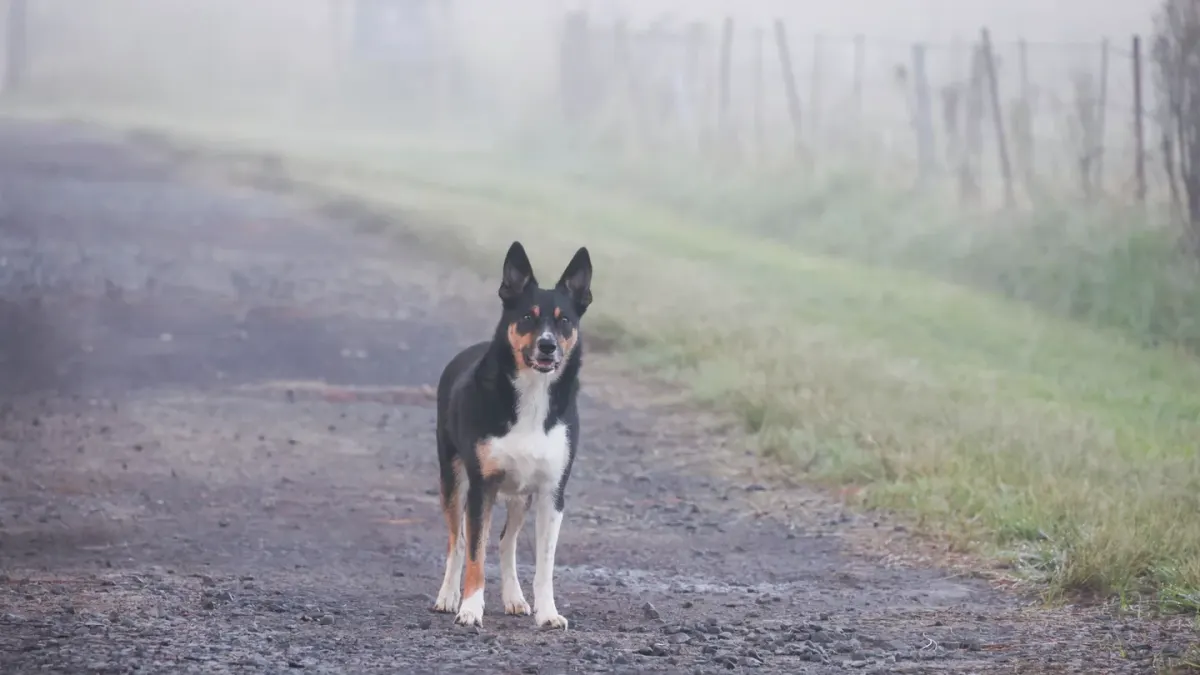
Dinner was at 6 p.m., kibble plus a splash of water, and by 6 p.m. the leash was already in your hand because your 4-year-old, 78-pound German Shepherd mix was spinning by the door. You want to do the right thing and burn off that post-meal energy, but you have also heard that exercising on a full stomach can twist the stomach. That pause you feel is worth honoring, because timing around meals is one of the few bloat risk factors you can actually control the same day.
He ate fast, finished in under three minutes, then whined to go out while his sides still looked rounded and full. You clipped the leash and aimed for the usual loop around the farm roads, weighing whether a slow stroll counted as exercise or whether you should wait. After 45 minutes of pacing the kitchen while he settled with a chew, you took a 15-minute sniff walk instead of a run, and his breathing stayed easy with no retching or restlessness. That decision captures the main recommendation I defend: feed first, let the meal settle, then move.
The surprising limitation is that no food, feeder, or supplement can make vigorous exercise right after eating safe. I work at the intersection of food therapy, supplement science, and sports-medicine and rehab, and I weigh what a supplement can realistically do for diet, mobility, and recovery. For post-meal exercise, the answer is very little. A thoughtfully balanced diet may help support normal digestion and muscle recovery, and steady conditioning may help support stamina, but neither changes stomach anatomy or prevents gastric dilatation-volvulus. The American College of Veterinary Surgeons describes GDV as a rapidly life-threatening emergency where the stomach fills with gas and may rotate, cutting off blood flow.
The myth is that only huge meals in giant breeds cause trouble, so a normal dinner plus fetch is fine. The reality is broader. Large, deep-chested breeds face higher baseline risk, but eating quickly, eating one large meal per day, and stress around feeding have all been explored as contributing factors in published risk-factor work. The Merck Veterinary Manual notes that large, deep-chested dogs are predisposed and that owners should avoid vigorous exercise around feeding time, alongside attention to meal size and eating speed.
For four evenings last week you tried the opposite approach, hoping to tire out a restless young Lab before bedtime. Each night meant dinner at 7 p.m. followed almost immediately by 20 minutes of hallway fetch and tug, and each night ended the same way with pacing, drooling, and a vomit attempt that produced only foam. You skipped the fifth night of fetch, split dinner into two smaller portions spaced an hour apart, and switched to calm sniff games indoors. The change did not prove anything about bloat, but it showed the tradeoff clearly: hard play on a full stomach buys restlessness instead of rest.
That is why I land on a conservative, boring sequence that protects the stomach while still meeting exercise needs.
Think of the day in order rather than as single rules. Exercise first when you want intensity, feed after the dog has cooled down, then rest. A morning run or Canicross: Running Connected to Your Dog session works best on a mostly empty stomach, followed by water in small amounts, a 30 to 60 minute cool-down, then breakfast. Midday is for gentle movement, not a workout. Evening follows the same pattern in reverse if your schedule only allows after-work activity: walk first, feed second, then settle.
Waiting matters more than the exact minute count.
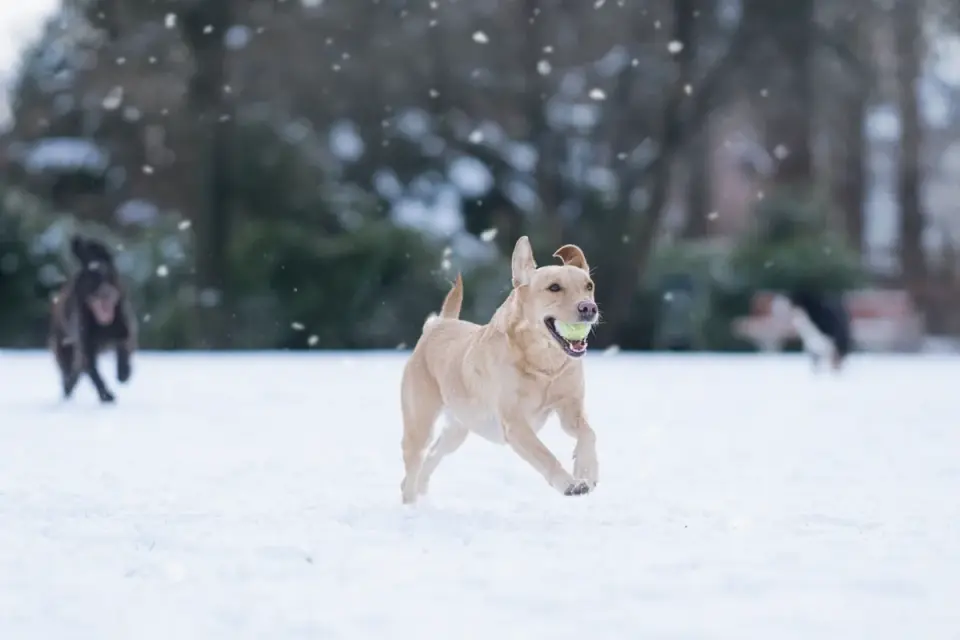
For most adult dogs, a calm leash walk to potty 10 to 20 minutes after eating is reasonable if the dog is comfortable and the pace stays conversational. Save running, wrestling, fetch, agility, swimming, and steep hiking for at least one hour after a small meal and closer to two hours after a large meal, longer for deep-chested breeds and known fast eaters. Puppies, seniors, and brachycephalic dogs need that buffer even more because they regulate breathing and body temperature less efficiently, a point that also shapes how you plan Cold-Weather Activities to Keep Your Dog Active.
Use the waiting window well. Offer water but do not let a panting dog gulp a full bowl at once. Divide daily food into two or three smaller meals, use a slow feeder or scatter feeding on a mat, and keep the area quiet while eating. After the rest period, warm up with five minutes of walking before you run, just as you would before any sport. If you are heading to group play, review Dog Park Etiquette Every Owner Should Know so arousal does not spike right after a meal.
You will need to bend the usual advice sometimes. Last month during a 1.5-mile evening walk with a senior hound mix, rain cut the route short and you arrived home 40 minutes earlier than planned, with a dog who needed both food and one last potty break before medication. You fed half the dinner, waited 20 minutes for a brief, slow leash loop just to the corner and back, then fed the second half after he urinated and settled. Splitting the meal kept total stomach volume lower at any one moment and let you meet medical timing without asking for vigorous movement on a full stomach.
Know the signs that end waiting and start driving. The VCA Hospitals overview of bloat lists a distended abdomen, unproductive retching, restlessness, drooling, and rapid breathing as emergency warning signs. Those signs warrant immediate veterinary care, day or night, not observation at home.
Feed, pause, then play, in that order whenever you can.
Frequently asked questions
How long should I wait to walk my dog after eating?
A slow potty walk after 10 to 20 minutes is fine for most comfortable dogs. Wait at least 60 minutes after a small meal and closer to 120 minutes after a large meal before running, fetch, swimming, or rough play.
Does a slow feeder prevent bloat if I exercise after meals?
No. Slow feeders and smaller, split meals may help support calmer eating and normal digestion, but they do not prevent GDV. Timing intense exercise away from meals is still needed, especially for large, deep-chested breeds.
Sources
- Gastric Dilatation-Volvulus in Dogs — American College of Veterinary Surgeons
- Bloat: Gastric Dilatation and Volvulus in Dogs — VCA Hospitals