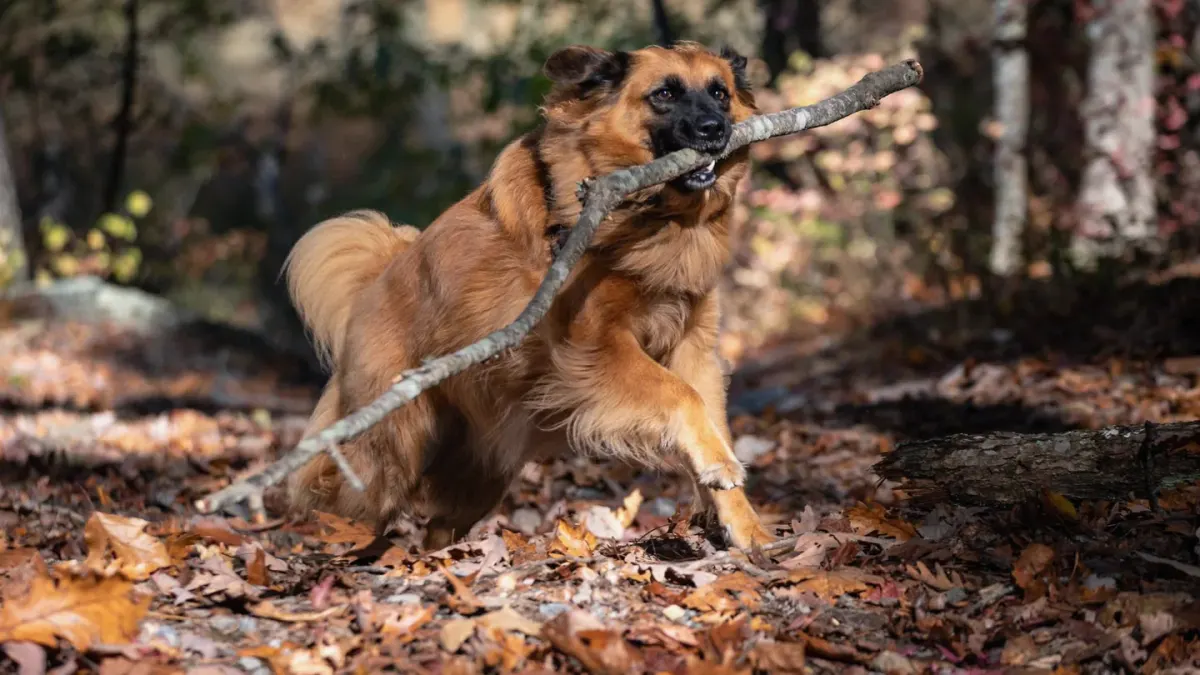
Maya had pictured it perfectly: her 3-year-old, 48-pound Lab mix curled beside her in a two-person tent under pines in October, quiet and content. By 9 p.m. on night one, the reality was a nose pressed through the mesh door, whining at every snap of a twig, then a full-body push against the tent wall when a raccoon rattled a cooler. She spent the night with one arm across his chest, wondering if they would both sleep in the car the next night. That first night is where most tent plans succeed or unravel, and it has very little to do with the tent itself.
The surprising limitation is space and sound. A tent magnifies every behavior your dog can get away with at home. Pacing becomes wall-pushing. Alert barking becomes a 2 a.m. chorus. A dog who has never settled on a defined bed spot for hours will not learn it for the first time on nylon. Which is why preparation matters more than gear.
The myth: a tired dog will just sleep in the tent
Many owners assume a long hike will solve tent restlessness. Exercise helps, but fatigue without a trained settle often creates a wired, panting dog in a confined space. Normal dog behavior tells us dogs relax where they have rehearsed relaxation, not where they are exhausted.
That rehearsal starts at home. Put the tent up in the living room or yard for three evenings in a row. Feed meals inside with the door open, then practice a mat or sleeping pad stay with the door zipped for 10 to 20 minutes while you read. Reward quiet lying down, not sitting and staring. The American Kennel Club notes that practicing tent manners and recall before a trip prevents most common camp problems, and that pretrip setup is worth the awkward living-room phase.
Milo’s owners learned the tradeoff the hard way. He was a 5-year-old, 22-pound French bulldog mix, sturdy and eager, booked for a lakeside weekend after a summer of long walks. They figured heat was manageable with water and shade. By day two, after a humid half-mile to the swim cove, he was snorting hard, lagging behind, and refusing to settle even in shade. They cut the hiking, moved his bed into full shade, shortened outings to early morning, and spent the rest of the trip managing recovery instead of exploring. A brachycephalic build and extra body condition changed the whole plan from adventure to nursing a tired dog back to comfortable breathing.
The reality: joints, food, and feet decide the trip
Camping asks more of a dog’s body than a neighborhood routine. Uneven ground, cold overnight air, and repeated tent entries load hips, shoulders, and toes in unfamiliar ways. I weigh what a supplement can realistically do for diet, mobility, and recovery here with clear limits: a complete and balanced diet does the heavy lifting, and no chew can rebuild cartilage or replace conditioning.
For active weekends, grounding an integrative claim in the nutritional evidence helps. Omega-3 fatty acids from fish oil may help support joint comfort and normal inflammatory response after exercise, and glucosamine and chondroitin may help support cartilage structure in active dogs, but effects are modest, take weeks, and vary by dog. Start any routine well before the trip with your veterinarian’s dosing, not at the trailhead. What supports recovery that night is far more concrete: warm bedding off the cold ground, measured meals plus a little extra for high-activity days, and steady water.
Feet deserve the same attention. Check pads nightly for abrasions from granite or hot dirt. Bring a closed-cell foam pad for insulation, a washable blanket that smells like home, and a stake-out or short leash for camp. Food stays sealed and stored as the campground directs, away from the tent.
It stays with you.
A same-day sequence to make the tent boring — in a good way
You can run this entire rehearsal in one afternoon. First, fit camp gear at home. Trim nails, check collar and ID, test a front-clip harness and a 6-foot leash, and pitch the tent. Second, teach the tent job: mat goes in the back corner, dog lies on mat, door zips halfway, treat for exhaling and head-down. Build to 30 minutes while you move around camp chairs and cookware. Third, add sound. Play campground noises at low volume, knock on the tent wall, walk past with a neighbor dog at distance if you can arrange it. If your dog can hold a down-stay through that, the night shift gets easier.
For dogs who run cold or stiffen overnight, pair this with ideas from our guide to Cold-Weather Activities to Keep Your Dog Active and practice polite greetings using Dog Park Etiquette Every Owner Should Know.
Camp craft: eating, sleeping, and leaving no trace
Set the sleep system like you mean it. Your dog gets the same insulation you do — foam pad plus blanket — not bare tent floor, which wicks cold. Older or arthritic dogs do best near the middle, away from doors where they get stepped on. Keep a leash tethered to your wrist or a heavy pack at night so a midnight bathroom break does not become an off-leash sprint.
Food and water need routine. Feed on the home schedule, measure meals, and pack 25% extra in case a day runs long. Filter or carry enough water; lake water can carry pathogens and algae risks. Clean bowls daily to avoid attracting wildlife.
Leave No Trace principles apply to dogs too. The Leave No Trace Center for Outdoor Ethics asks visitors to dispose of waste properly, respect wildlife, and be considerate of others, which for dog owners means packing out poop bags, keeping dogs from chasing wildlife, and yielding trail space. Many public lands require leashes of six feet or less, and the National Park Service reminds visitors that pets are restricted in many parks and must be leashed and attended where allowed. Check your specific campground before you go.
June’s trip showed the edge case no checklist covered. June is a 7-year-old, 61-pound senior retriever who camps beautifully — quiet in the tent by day three of practice at home, solid recall, easy on leash. What changed the plan was not behavior but age-related stiffness. By day two of sleeping on a thin pad, she was slow to rise in the 42-degree morning, hesitant on the tent lip, needing a hand under her chest. Her owners added a second foam pad, parked her bed near the warmest wall, shortened the morning loop, and saved the long hike for midday. She slept soundly after that, but only because they treated bedding as joint care, not just comfort.
If you want a fitness bridge before you go, try short pulling or jogging sessions from Canicross: Running Connected to Your Dog to build trail focus and conditioning. Then keep nights dull, predictable, and early. Will your first trip be a 45-minute drive from home, so you can bail kindly if the tent is not working yet?
Frequently asked questions
How do I get my dog to sleep quietly in a tent?
Practice at home first: feed meals in the pitched tent, reward lying on a mat with the door zipped, and build to 30 minutes of calm settling with camp noises and movement before the trip.
What should my dog sleep on when tent camping?
Give your dog the same insulation you use — a foam pad plus a familiar blanket — placed away from doors. Senior or stiff dogs often need double padding and help over the tent lip on cold mornings.
Do I need extra food for camping with my dog?
Pack measured meals on your home schedule plus about 25% extra for long activity days, store food sealed and away from the tent per campground rules, and carry or filter enough clean drinking water.
Sources
- The 7 Principles — Leave No Trace Center for Outdoor Ethics
- Pets in Parks — National Park Service