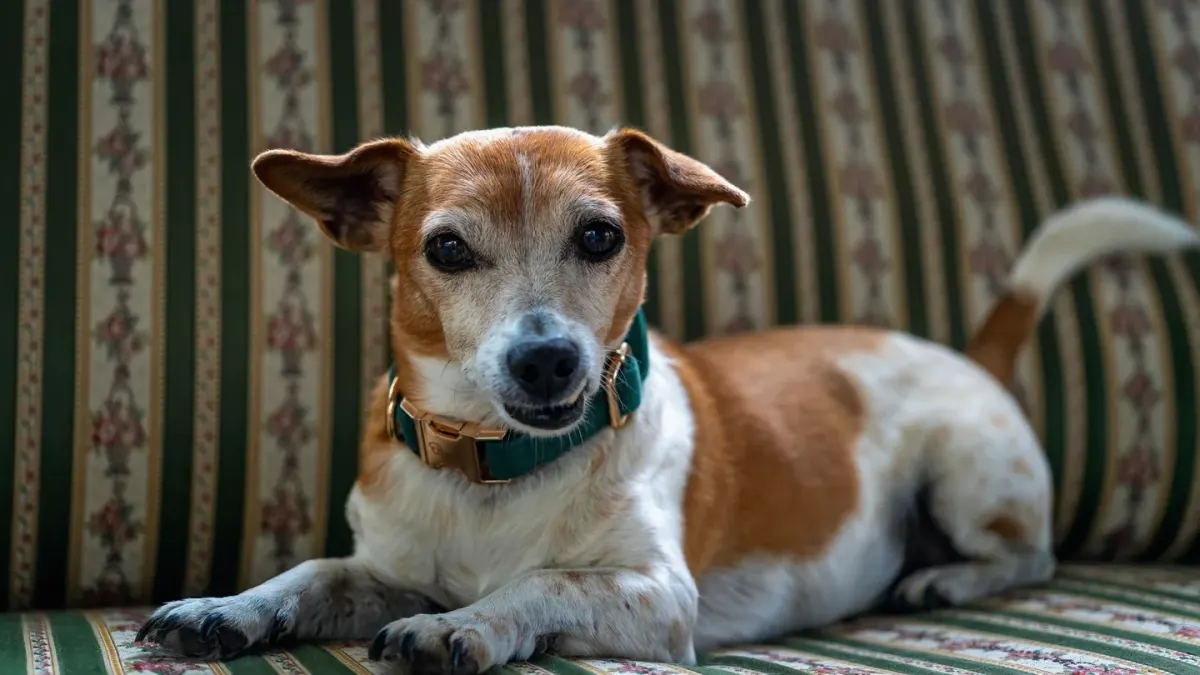
Rain falling against the windows can leave both dog and family feeling restless, and the worry often starts with comfort rather than behavior.
Rachel knows that feeling with Yuzu, her 5-year-old neutered male Australian Shepherd in Orange, California, who paces to the door and whines when his morning walk is canceled, so she weighed a quick indoor play burst against a slower rhythm of three short activity blocks with rest between calls.
The rainy-day limit no schedule can fix
No indoor plan can replace outdoor sniffing, full-body movement, and fresh air mile for mile, and accepting that limit helps set a kinder goal for the day. The aim becomes supporting normal rest, chewing, sniffing, and gentle play in small doses that fit around work.
Dogs tend to rest much of the day when their needs for food, elimination, social contact, and mental engagement are met, which is why guidance from the American Veterinary Medical Association emphasizes daily structure around feeding, exercise, and companionship rather than constant activity. That structure matters more on a wet day, when boredom can look like disobedience.
A workday also fragments your attention. Planning for that reality, with quiet defaults between meetings, may help support comfort better than trying to entertain your dog for eight straight hours.
The tired-dog myth that backfires indoors
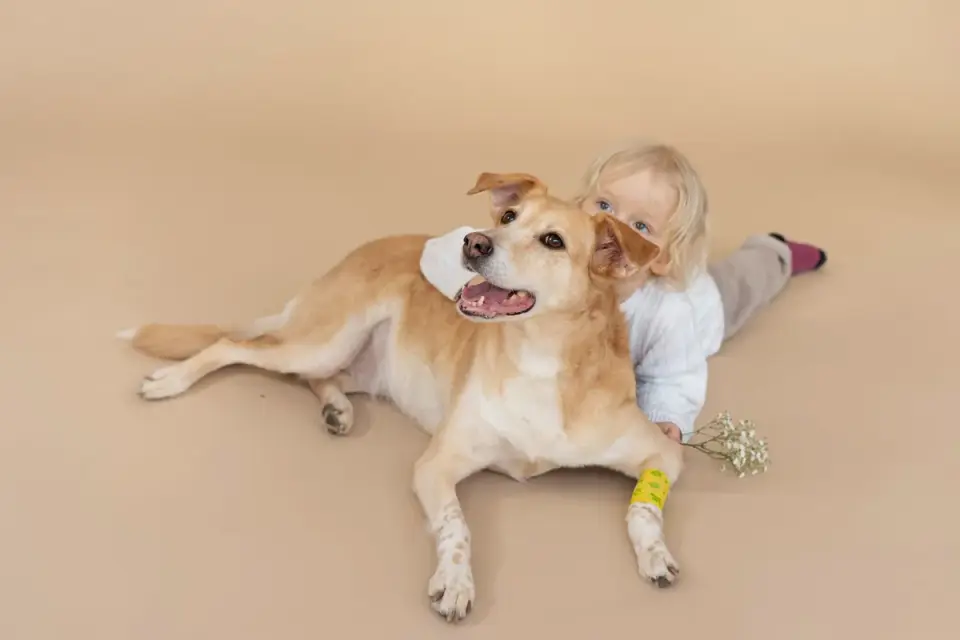
The common advice is to wear the dog out early so he sleeps while you work. In a small living room, that often creates the opposite effect.
A long, exciting game of fetch down the hallway can leave a young or herding-type dog panting, aroused, and less able to settle. Vets often see this pattern in active breeds, where arousal carries over into barking at sounds, mouthing, or following the owner from room to room. What looked like extra exercise becomes extra vigilance.
The American Kennel Club notes that enrichment through sniffing, problem-solving, and chewing can engage dogs without always raising arousal, which points toward a steadier choice for rainy days.
My position is simple: choose calm engagement over exhaustion. Short sniff and chew sessions, spaced through the day, may help support relaxation and normal behavior while you stay on task.
A sceptical friend might ask whether this is just letting the dog be lazy. The answer is that rest is part of health, not a reward for fatigue. Older dogs show this clearly. Ruth, who lives with Churro, a 10-year-old neutered male Pit Bull Terrier mix in Detroit, Michigan, noticed him licking his front leg after two rounds of stair games on a stormy day, so she switched to a food puzzle and a 20-minute mat rest by the couch for the afternoon block.
A workday sequence that protects comfort
Think in blocks, not in hours. Most families can hold this rhythm between video calls and deadlines.
Morning: potty, breakfast, and a sniff start
Give a brief covered potty trip first, even in rain, since most adult dogs still prefer to eliminate outside. Towel dry paws and belly on return to keep skin comfortable and floors safer.
Feed breakfast in a slow feeder, scatter a handful of kibble on a bath mat for sniffing, or use a simple puzzle. Five to ten minutes of sniffing often settles a dog better than five to ten minutes of chasing.
If you crate train, you can link that routine to guidance on a first-week night routine for a new puppy for keeping sleep spaces calm and predictable.
Midday: movement snacks and human contact
Plan two or three five-minute movement snacks rather than one long session. Try hallway find-it games, stair-free obedience refreshers like sit, touch, and place, or gentle tug with a clear drop cue and a rest afterward.
Dogs prone to worry when left alone during closed-door meetings may pace, vocalize, or shadow you. Information from Cornell University College of Veterinary Medicine on separation-related behavior reminds owners to watch for those early signs and keep departures and returns low-key. A frozen lick mat, a safe chew, and a bed near your desk can give company without constant interaction.
This is also a good window for a second quick potty break under an awning or with a large umbrella.
Calm company is the intervention.
Afternoon: chew, rest, and a reset
Early afternoon is when many dogs naturally nap. Protect it. Dim the lights, offer water, provide a chew appropriate for your dog’s size and chewing style, and keep the house quiet during your focus time.
If your dog is recovering from surgery or on restricted activity, keep the rainy-day plan even quieter and follow your veterinarian’s confinement guidance, such as the principles in a confinement-and-comfort plan for strict rest orders.
Watch for over-arousal signals like hard panting indoors, inability to disengage from toys, or nipping during play. Pausing, offering a sniff task, and returning to the mat often works better than adding more excitement.
Evening: decompression without flooding
End the workday with connection rather than compensation. A short training game, brushing if your dog enjoys handling, and a final potty walk when rain eases can close the loop. If storms continue, indoor sniffing plus calm petting on the sofa is enough.
For dogs new to your home, keep expectations especially low and borrow ideas from a decompression room for a newly adopted rescue to keep one room quiet and familiar.
Going forward, keeping one rainy-day template on the fridge lets the whole household repeat what worked instead of rebuilding the day each time it rains.
Frequently asked questions
How often should my dog go out to potty on a rainy workday?
Most adult dogs do well with a morning, midday, and evening opportunity, with an extra brief trip if rain delays elimination. Keep trips short and dry paws afterward.
How much indoor play does my dog need when walks are canceled?
Aim for several short blocks of sniffing, training, and chewing totaling 20 to 40 minutes across the day, with protected rest between. Stop if panting, restlessness, or mouthiness increases.
What if my dog refuses to go out in the rain?
Try a covered spot, a larger umbrella, a raincoat for comfort, and calm praise for any attempt. If refusal persists or is paired with straining, accidents, or discomfort, contact your veterinarian.
Sources
- Pet Owner Resources — American Veterinary Medical Association
- Expert Advice — American Kennel Club
- College of Veterinary Medicine — Cornell University College of Veterinary Medicine