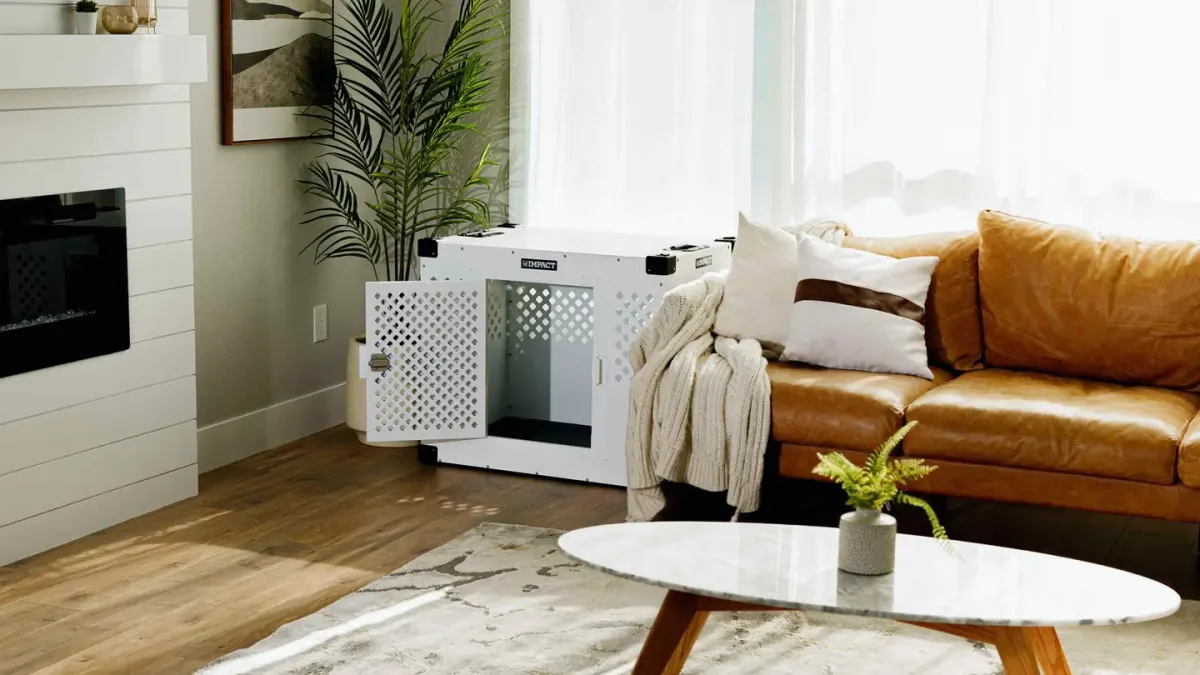
Most dogs do not decide to drink based on thirst alone — they decide based on how safe and easy the spot feels when they are tired, stiff, or a little unsure on their feet.
Mike noticed this with Laila, his 11-year-old spayed mixed-breed in Murfreesboro, Tennessee, when she started walking past the laundry-room bowl and waiting near the kitchen rug instead, all within about 15 feet of her bed.
When a tucked-away spot asks for too much
It feels tidy to push water into a far corner, behind a door, or down a chilly hallway. That placement keeps spills contained, but it can add slippery turns, dim light, and noise from washers or furnaces that make a sensitive dog hesitate.
Vets often see older dogs drink less often rather than walk across a slick floor or stand in a tight space where their hips feel boxed in. A single daily bowl can also mean long gaps without access, which is why constant access to fresh water is part of basic feeding guidance from groups like VCA Hospitals.
Comfort matters more than tidiness here.
The idea that one bowl works for every dog
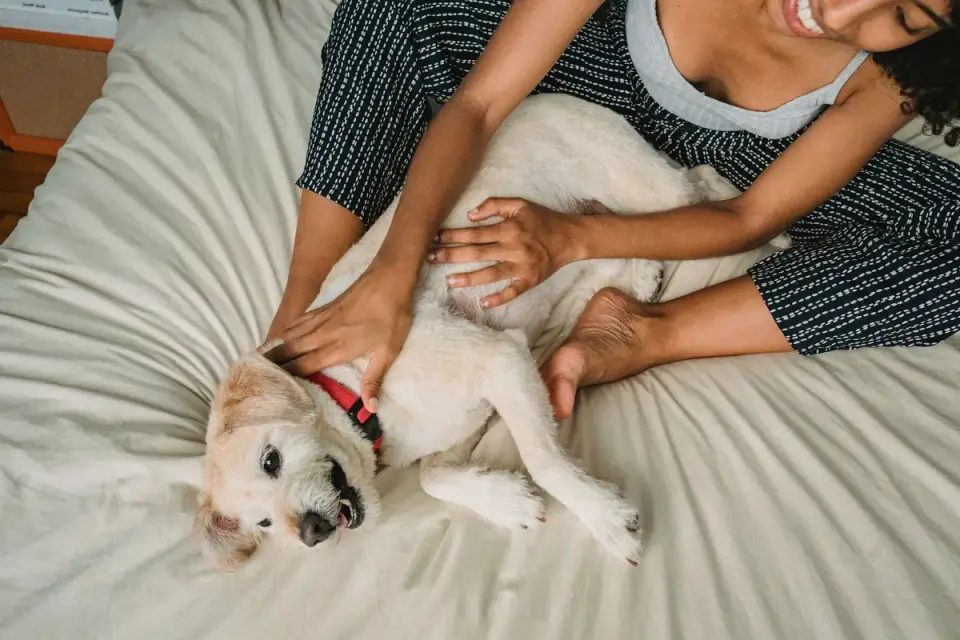
Many of us were taught that a healthy dog will simply go find water when needed. Younger dogs often do, but aging joints, vision changes, and anxiety can shrink how far a dog is willing to travel in the house.
Keeping water fresh, clean, and nearby may help support normal hydration and daily comfort, especially when bowls are washed and refilled as part of routine care described by the American Veterinary Medical Association. The Merck Veterinary Manual also notes that water needs shift with size, diet, activity, and life stage, so placement that invites small, frequent drinks fits normal behavior better than one distant station.
You are not spoiling your dog by making drinking easier.
A calm setup you can try today
Pick a spot your dog already passes without worry, usually along the edge of the room where the family gathers. Leave at least two body lengths of clear floor so your dog can approach, turn, and step away without backing into furniture.
Set the bowl on a low, washable mat on a non-slip surface, away from heat vents and loud appliances. Keep food a few steps away rather than right beside water, since scattered kibble can sour water faster, and see related ideas in Slow Feeder vs Raised Bowl: Which Does Your Dog Need? and What Height Should a Raised Dog Bowl Be?.
Rinse and refill daily, and wash the bowl with soap and water when film builds up. If your home has two levels your dog uses, a second small station on the resting floor can reduce stair trips, a pattern explained further in Water Stations on Every Floor for a Senior Dog: Why One Bowl Isn’t Enough Anymore.
If your dog still avoids the bowl, look for startling reflections, wobble, whisker pressure from deep narrow sides, or a draft from a nearby door, topics that overlap with Where to Place a Senior Dog’s Bed to Avoid Drafts. A wide, steady, shallow bowl in soft light often feels kinder.
A well-placed bowl will not fix every health concern, yet it may help support steady drinking, easier movement, and a calmer day for both of you. If intake drops suddenly, or you notice coughing, vomiting, or marked lethargy around drinking, call your veterinarian for guidance tailored to your dog.
Frequently asked questions
Should a dog's indoor water bowl go next to the food bowl?
It can, but a few steps of separation often keeps water cleaner. Food crumbs and saliva sour water faster when bowls touch, so give each bowl its own space on the same mat or nearby surface.
How often should I change indoor water?
Check it morning and evening and refill with fresh water daily, rinsing out dust, food, and film. Wash the bowl with soap and water when it feels slick, then rinse well.
What if my dog is afraid of the bowl location?
Move the bowl to a quieter, well-lit path your dog already trusts, with non-slip footing and room to turn. Avoid laundry rooms, dark hallways, and spots behind doors that swing toward the dog.
Sources
- Nutrition - General Feeding Guidelines for Dogs — VCA Hospitals
- Pet Care — American Veterinary Medical Association