On this page
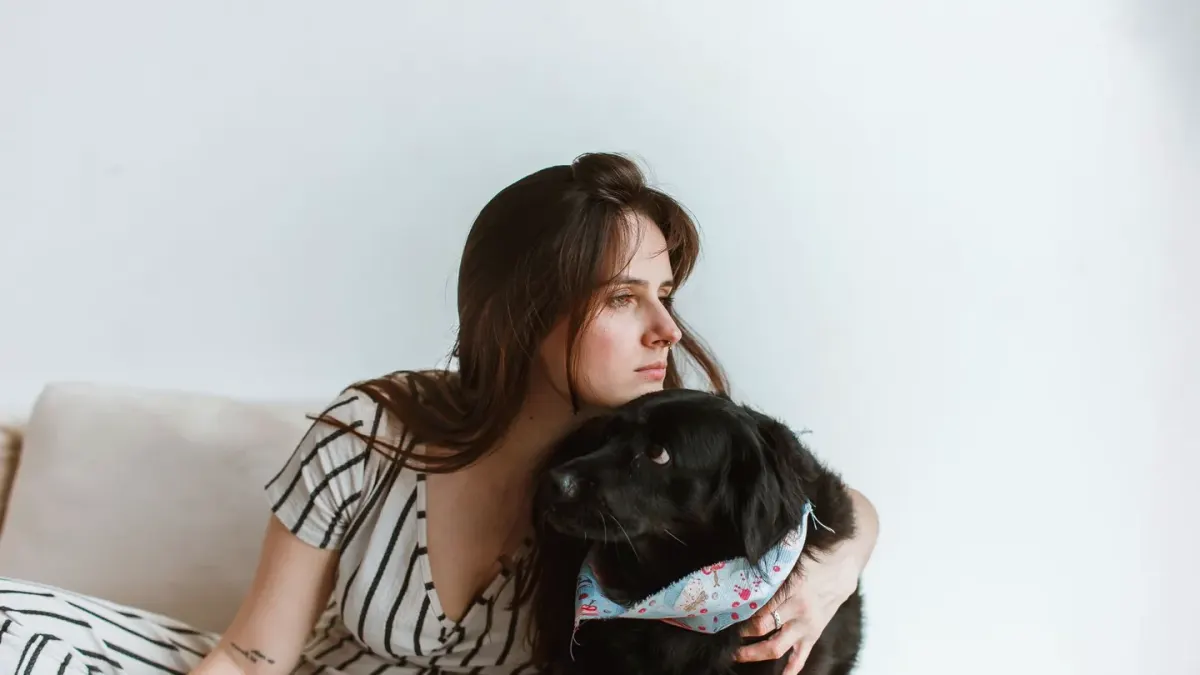
Worry tends to show up right after the door closes behind the walker, when the leash is hung up and the house is quiet again.
That worry is reasonable. A written note describes what a person saw on a walk, not how the dog’s body carried the experience. Dogs regulate arousal through the autonomic nervous system, with sympathetic activation raising heart rate, panting, and vigilance, followed by a slower parasympathetic return toward rest, digestion, and sleep. When that return is delayed, owners often see pacing, lip licking, yawning out of context, reduced appetite, or a dog that cannot settle for an hour or more. The ASPCA describes similar signs when dogs struggle with separation, including restlessness, panting, and changes in greeting behavior, which helps explain why the hour after the walk can be more informative than the walk itself.
The note cannot measure recovery
Most handoff instructions record distance, bathroom breaks, water, and mood in a word or two. That record is useful for logistics, but it has a surprising limitation. It does not show whether the nervous system came back down.
A dog can complete a normal route and still come home wired. In practice, vets often see families describe a dog that drank a full bowl at once, skipped treats, or circled the living room instead of lying down. Those behaviors reflect lingering arousal rather than disobedience. The American Veterinary Society of Animal Behavior emphasizes reading body language in context and favoring low-stress handling, which is a helpful lens here. A tucked tail, pinned ears, shake-offs, hypervigilance at windows, or clinginess after the walker leaves deserve more weight than a cheerful emoji.
Cory, in McKinney, Texas, started watching this pattern with Bubba, a 4-year-old neutered male Maltipoo. The notes said the 30-minute midday walk went well for two weeks straight, yet Bubba left half his afternoon meal three days in a row and paced between rooms for about 40 minutes after the walker left. That contrast between paper and behavior prompted the questions that mattered.
The photo is not proof of comfort
The myth worth retiring is that a smiling leash photo means the outing supported comfort. A photo captures one second, often when the dog is cued, held close, or momentarily still.
Normal dog behavior is messier. Many dogs look bright outside because novelty raises arousal, then show the cost at home. A better question is whether the dog could eat, drink normally, urinate and defecate without strain, and then rest within a reasonable window. For puppies settling into a new schedule, the same principle behind A First-Week Night Routine for a New Puppy applies in miniature. Predictable cues, a quiet resting place, and a short wind-down may help support a return to rest.
It also helps to know what good instructions should contain before judging them. The National Association of Professional Pet Sitters outlines the level of detail families should expect from a professional, including care routines, communication, and contingency planning. If handoff notes never mention doors, keys, feeding amounts, medications, emergency contacts, or what to do if the dog seems unwell, the system itself needs attention, not just the walker.
A same-evening check that respects normal behavior
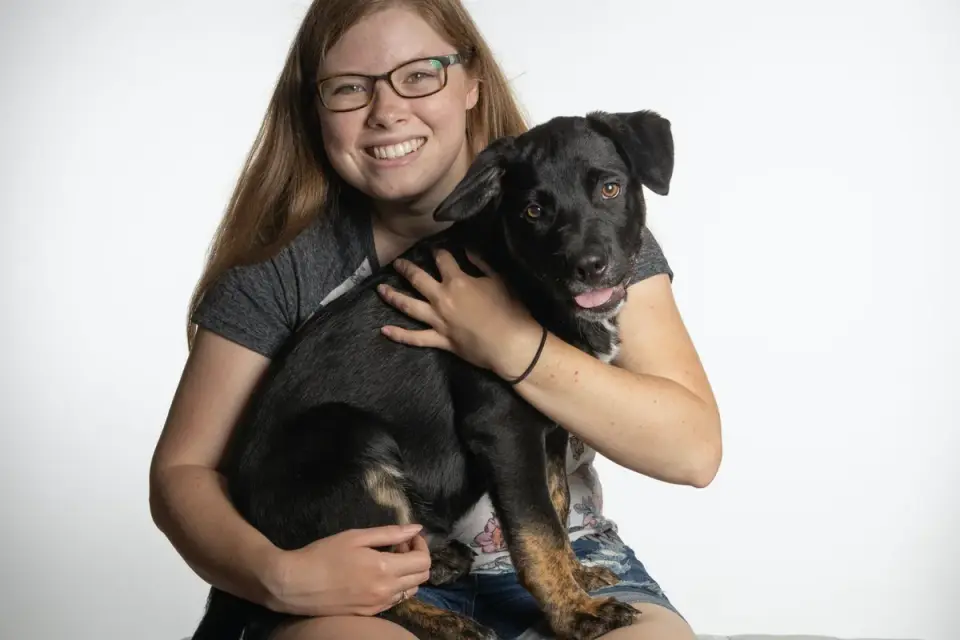
This sequence takes about five minutes and works best the evening of the walk, when memory is fresh.
Start with the basics on paper. Confirm time out and time back, route or distance, urination and stool, water offered, food or treats given, medications if any, and any unusual encounters with people or dogs. Vague entries such as fine or good need one clarifying question. Was the stool soft, was water refused, did the dog pull toward home.
Then check the dog, not the note. Offer a familiar chew or small meal and watch from a distance. A comfortable dog will usually sniff, chew, and then choose a resting spot. Note panting at rest, restlessness, vocalizing, hiding, or guarding of food or toys. For older dogs, stiffness after rest or reluctance on stairs that evening can signal that distance or pace should change, a point covered gently in A Room-by-Room Senior-Dog-Proofing Checklist. Keep the home base simple that night, with water, a familiar bed, and low noise.
Recovery tells the story.
If the dog settles within 20 to 30 minutes, the plan is likely a reasonable fit. If arousal lasts well beyond an hour, appetite drops, or bathroom habits change on walk days only, write down the pattern for three walks and share it plainly with the walker. Ask for a shorter loop, fewer greetings with unfamiliar dogs, a consistent route, and a calm entry and exit without prolonged doorstep excitement. For newly adopted dogs, A Decompression Room for a Newly Adopted Rescue explains why a quiet place to land may help support settling after stimulation.
End with safety details. Keys, alarms, crate or gate latches, collar fit, ID tags, and the veterinary and emergency contact should be written, not memorized. A strong handoff names who to call, where the carrier or slip lead is kept, and what a concerning sign would be for that individual dog.
Where comfort matters more than mileage
My position is straightforward. Judge a walker less by distance covered and more by how well the dog recovers afterward, because recovery reflects comfort and quality of life in a way mileage cannot.
I would change that view if controlled evidence showed that longer or more socially intense walks consistently improved rest, appetite, and resting behavior that evening across ages and temperaments. The current behavior literature does not show that. What it supports is steadier: predictable routines, readable body language, and low-stress transitions may help support calm behavior at home.
If notes stay thin, recovery stays rough, or worry grows, ask for a trial change of two weeks, keep the same checklist, and let the dog’s evenings decide.
Frequently asked questions
What should good dog walker handoff instructions include?
Times, route, bathroom details, water and food, medications, behavior notes, keys and alarms, and emergency contacts with clear next steps if the dog seems unwell.
How do I know if my dog struggled after the walk?
Look for prolonged panting at rest, pacing, clinginess, skipped meals, or inability to settle within about 30 minutes, especially if the pattern repeats on walk days.
Sources
- Separation Anxiety in Dogs — ASPCA
- Position Statements — American Veterinary Society of Animal Behavior
- What Is a Professional Pet Sitter — National Association of Professional Pet Sitters