On this page
A family called me late one evening a few years back, not for a hospice patient, but because their nine-year-old beagle named Winnie had snatched a rotisserie carcass off the counter while nobody was looking. She was eleven pounds overweight, arthritic in both hips, and normally a slow, deliberate eater. That night she’d swallowed fast, out of instinct, and within twenty minutes she was gagging and pawing at her mouth. They drove forty-five minutes to an emergency clinic in the dark, unsure whether they were overreacting. They weren’t. An x-ray showed a bone fragment lodged just past her throat. I think about Winnie often, because the fear in that owner’s voice on the phone is the same fear I hear almost every week: not “will this kill my dog,” but “did I just do something I can’t undo.”
So let’s answer the question plainly. Cooked chicken bones are genuinely dangerous for dogs, and the danger is different from what most owners assume.
The limitation nobody warns you about
Raw bones have some give to them; cooked bones don’t. Heat pulls moisture out of bone and changes its structure, so a bone that would normally bend or crush under a dog’s molars instead shatters into shards with sharp, splinter-like edges. That’s the core problem, and it’s not folklore — it’s basic material science that shows up again and again in veterinary case reports. The AARP: FDA has formally warned pet owners about processed and cooked bone products after receiving dozens of reports of dogs suffering blockages, choking, and mouth injuries, with some cases proving fatal.
Here’s what I want owners to sit with: it isn’t just the eating that matters, it’s the swallowing. A dog doesn’t chew a chicken wing the way you’d chew a steak. Dogs gulp. That reflex is normal and it’s not a training failure on your part — it’s how the species is built. But it means a splintered bone can go down before your dog even registers that something’s wrong.
The myth worth retiring: “small bones are fine, it’s the big ones you worry about”
I hear this constantly, and I understand the logic — a wing tip looks harmless next to a turkey drumstick. But size isn’t the variable that matters most. Shape and brittleness are. A small, sharp shard from a chicken thigh bone can lodge in the esophagus or perforate the intestinal wall just as easily as a large fragment, sometimes more easily, because it’s more mobile and can travel further before getting stuck. According to the American Kennel Club, bone splinters can tear the esophagus or intestinal tract regardless of the bone’s original size, and puppies and small dogs are at even higher risk because their digestive tracts are narrower.
If your dog free-feeds around the trash can or has a habit of counter-surfing, a small chicken carcass is not a small risk.
What symptoms actually mean something
Not every dog who eats a cooked bone ends up in surgery. Many pass small fragments without incident, especially if they’re otherwise healthy and the amount was modest. But you can’t know that in advance, and waiting for a crisis to develop is not a plan. Watch for:
- Gagging, retching, or repeated swallowing without producing anything
- Pawing at the mouth or face
- Drooling more than usual
- Refusing food or water, especially right after the incident
- Vomiting, particularly if it looks bloody or the dog seems to be straining
- Lethargy or a hunched, uncomfortable posture
- Straining to defecate, or blood in the stool over the following days
Any of the first three should mean a same-day call to your vet or an emergency clinic — those point toward something caught in the mouth or throat, and that window matters. The AKC Pet Insurance: AKC’s guidance on what to do if your dog eats a chicken bone is worth reading in full, because timing changes what your vet can offer: same-day, an obstruction may still be retrievable with an endoscope. A day or two later, you’re often looking at surgery.
A sequence that actually helps, not just advice to “watch closely”
If your dog gets into cooked chicken bones, here’s what I’d want you to do, in order:
- Stay calm and check the mouth. Gently look for a visible fragment stuck in the gums or throat. Don’t reach in blindly if your dog is distressed — you can get bitten, and you can push a fragment deeper.
- Don’t induce vomiting on your own. This is where instinct works against you. Bringing bone fragments back up can cause just as much damage on the way out as it did going down, sometimes more, since sharp edges can catch in the esophagus a second time.
- Call your vet or an emergency clinic immediately, even if your dog seems fine. Describe roughly how much was eaten and how long ago. This isn’t about panicking your vet’s office — it’s about giving them the information to tell you whether to come in now or monitor at home.
- Feed a small amount of plain, moist food if your vet advises it, sometimes to help cushion sharp edges as they pass. Don’t do this on your own without guidance; it isn’t right for every situation.
- Monitor stool for several days if your vet clears you to watch at home, and call back immediately if you see straining, blood, or a sudden drop in appetite or energy.
A confinement plan matters here too. Dogs recovering from a scare like this often do better in a calm, low-traffic space where you can watch them closely — not unlike how I set up recovery zones for dogs coming off orthopedic procedures. If your household already leans on a baby gate or playpen for a puppy, that same setup can double as an observation space for an adult dog for the next 24 to 48 hours.
Where this fits into daily routine, not just emergencies
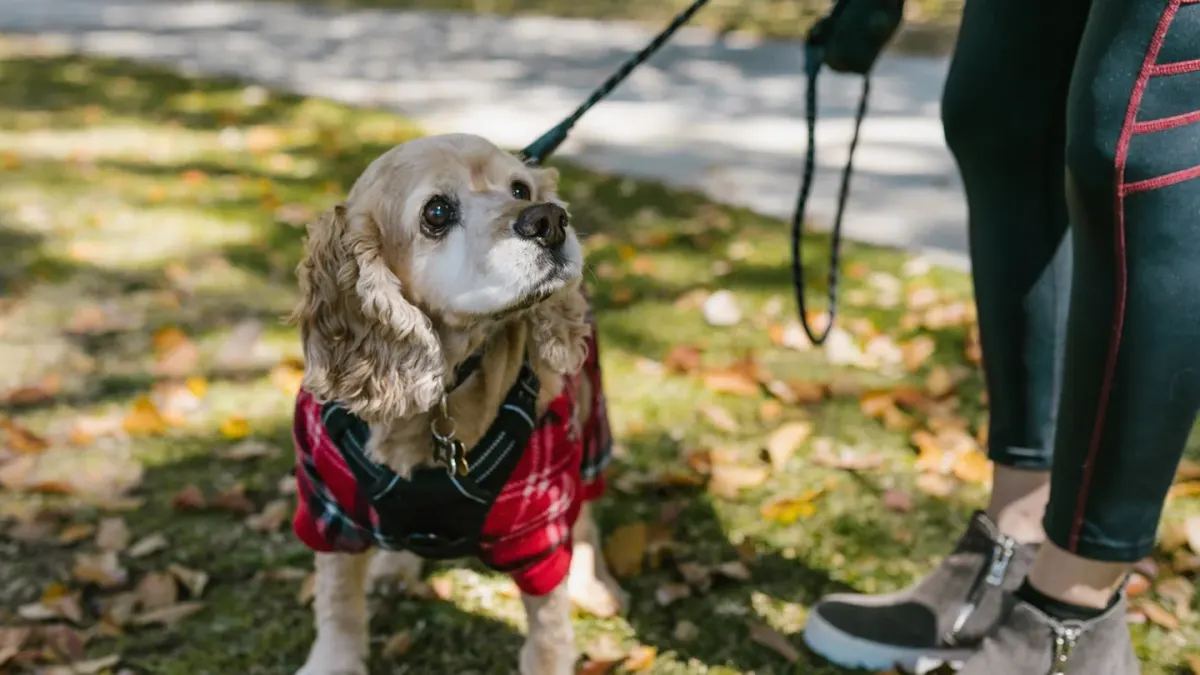
Here’s a scene I come back to often. An elderly client of mine, a woman in her seventies with a twelve-year-old cocker spaniel named Biscuit, used to save the ends of her roast chicken “for the dog” every Sunday, a habit going back a decade. Biscuit had arthritis, was slowing down on stairs, and the owner genuinely believed the bone scraps were a harmless weekly treat, almost a ritual between them. When I explained the splintering risk, she was upset with herself, and I told her what I tell every family in that position: you weren’t careless, you were following advice that used to be common and isn’t accurate anymore. We didn’t take away the ritual. We swapped the bone for a small portion of plain shredded chicken meat instead, something that still let her mark the day without the risk. That’s the kind of substitution that sticks, because it respects the relationship the food represents, not just the nutrition label.
That’s really the heart of prevention: cooked bones don’t need to be an occasional gamble. Keep chicken carcasses, rib bones, and wing bones sealed in a container your dog can’t access, take the trash out the same day you cook, and warn guests or older family members who might slip a “treat” under the table without knowing better. If your dog is prone to counter-surfing or trash-diving, that behavior is often more about opportunity than appetite, and closing the opportunity is more reliable than hoping for better manners in the moment.
Where I land
I don’t think cooked chicken bones deserve blanket panic, and I try not to speak to owners in absolutes — that’s not how good medicine works, and it’s not how I’d want to be spoken to. Most dogs who steal a bone off a plate will be fine. But “most” isn’t good enough odds when the downside is a torn esophagus or emergency abdominal surgery, and when the fix is genuinely simple: don’t offer cooked bones, and secure the ones your dog might find on their own. The strongest counterargument I hear is that raw bones are marketed as safer, and structurally that’s often true — raw bone tends to be more pliable. But “safer than cooked” isn’t the same as “safe,” and raw bones carry their own risks around bacteria and dental fractures that deserve their own conversation. I’d rather a family focus on comfort and prevention than chase a bone that seems fine until, one evening, it isn’t.
Quick recap: cooked bones splinter because heat changes their structure, size doesn’t predict danger the way most owners assume, gagging or pawing at the mouth warrants a same-day call, don’t induce vomiting on your own, and the best fix is keeping bones out of reach in the first place.
For related context, read A Warming Setup for a Senior Dog That’s Always Cold.
Frequently asked questions
Are cooked chicken bones ever safe for dogs?
No. Cooking makes bones brittle and prone to splintering, so cooked chicken bones — including from broth-simmered or roasted chicken — carry a real risk of choking, mouth injury, or internal damage no matter the dog's size.
My dog ate a cooked chicken bone but seems totally fine. Should I still call the vet?
Yes, it's worth a quick call. Symptoms from a lodged fragment can take hours or days to appear, and your vet can advise whether to monitor at home or come in based on how much was eaten.
Sources
- FDA Warns About Dangerous Dog Bones — AARP
- What to Do if Your Dog Ate Chicken Bones — American Kennel Club
- What To Do If Your Dog Eats A Chicken Bone — AKC Pet Insurance